The RCC reminds countries to improve not just polio vaccination coverage, but surveillance, and strengthen the immunization programs in the Americas to prevent outbreaks.
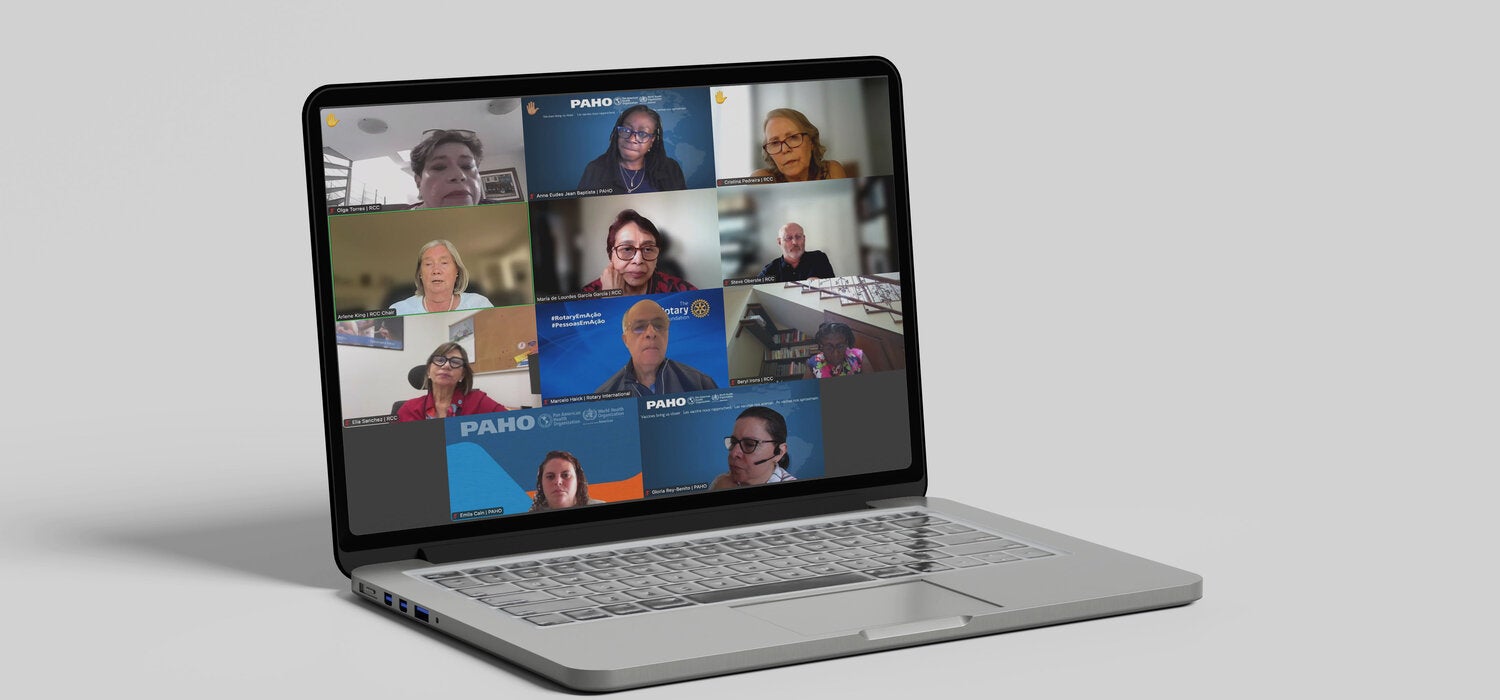
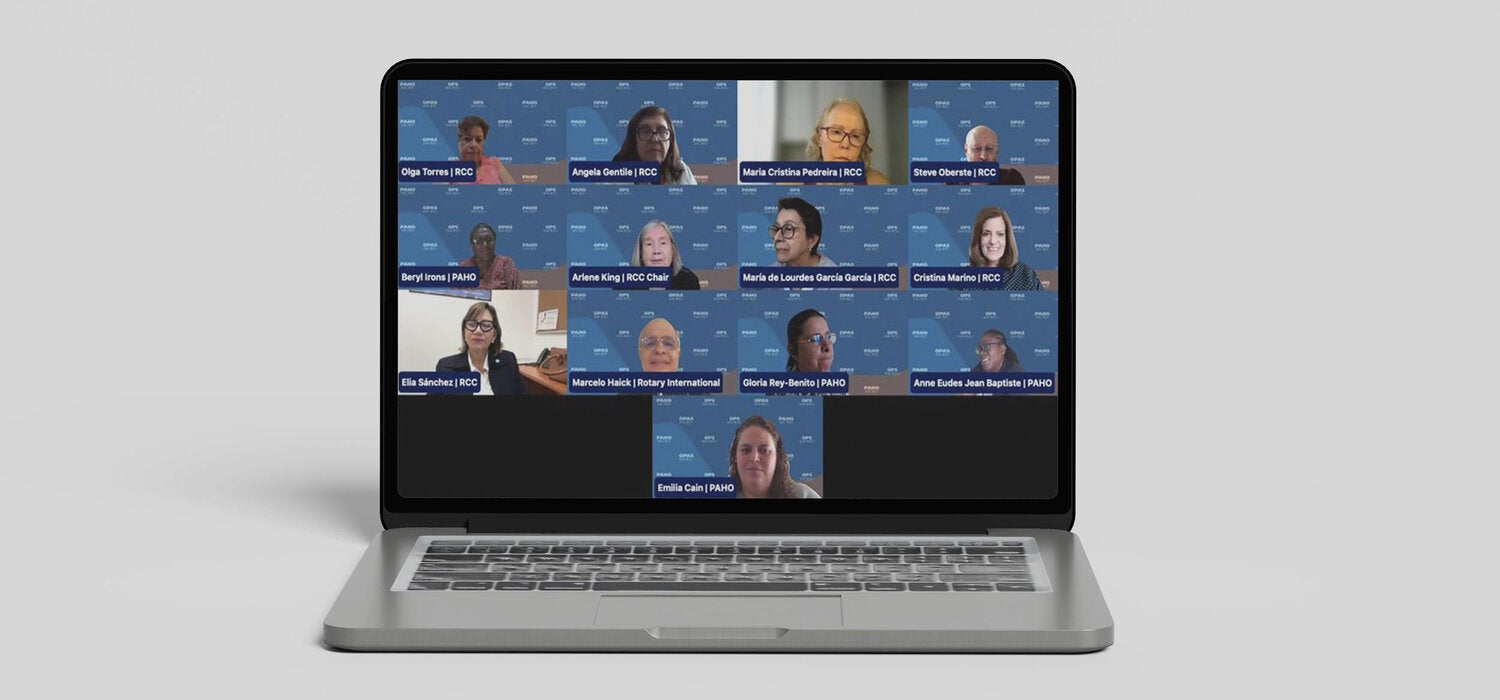
Between 26 June and 11 July 2025, the 19th Meeting of the Regional Certification Commission for Polio Eradication of the Americas (RCC) was celebrated online, with the objectives of reviewing the polio situation in the Region, as well as:
- Discussing and validating the 2024 annual reports on the status of polio eradication and providing recommendations.
- Reviewing the updated containment report from the countries that have not completed phase I of the Global Action Plan (GAP) III and providing recommendations to complete the process.
- Updating the regional polio outbreak risk assessment.
Out of 29 expected annual reports, 28 were received and reviewed during the meeting. The review assessed the risk of polio circulation in case of importation or emergence as follows: 3 countries were classified as very high risk, 13 as high risk, 11 as medium risk, and 17 as low risk.
Regional polio immunization coverage experienced a slight decline since the last meeting in July 2024, with 2024 figures at 89% for IPV1 (first Inactivated Poliovirus Vaccine dose), 84% for IPV2 (second IPV dose), and 86% for Polio3 (third polio vaccine dose). Despite this small change, all countries, except one, have now introduced the recommended second IPV dose.
With respect to surveillance, while efforts have been made, there was a decline in surveillance performance at the regional level from 2023 to 2024 with an Acute Flaccid Paralysis (AFP) rate of 1,38 per 100,000 children under the age of 15 (target of at least 1.0 per 100,000 for sensitive surveillance). There remain significant risks of missing polio cases due to surveillance gaps at national and subnational levels in some countries. As we approach global eradication and certification, adherence to surveillance standards will become increasingly important.
In concluding remarks, Dr. Arlene King, Chair of the RCC, underscored the critical role of containment in polio eradication, stating, “There is no certification of polio eradication without containment. The RCC would like to acknowledge advances in containment in the Region. Still, countries must continue working towards the completion of this process.”
Some of the recommendations to the countries were:
- Prioritize domestic funding for polio eradication as financial shortfalls threaten the Global Polio Eradication Initiative (GPEI) and jeopardize eradication goals.
- Ensure national reports are accurate, complete, and independently validated. The National Certification Committee (NCC) must function as an independent expert body, providing crucial technical oversight and recommendations. For Caribbean countries, an independent expert committee should review reports if an NCC isn't established.
- Maintain high Polio3 vaccination coverage (95% national, 80% all districts). Urgently assess immunity gaps and conduct catch-up campaigns for IPV, especially for type 2. Engage in global decisions on bivalent Oral Polio Vaccine (bOPV) cessation, seeking PAHO/SAG guidance.
- Strengthen polio surveillance systems for timely detection. This includes high-quality AFP surveillance, active case searches, accurate reporting, and integrating complementary strategies.
- Maintain updated national inventory systems for poliovirus materials and facilities. For countries that have completed phase I of GAP III, containment responsibilities are ongoing: ensure facilities are aware of requirements for new materials and report annually on containment activities. Accelerate efforts to complete GAP III Phase I.
- Conduct subnational risk assessments and root cause analyses to identify vulnerabilities. Develop and implement risk mitigation plans for high-risk areas, integrating them into routine activities and monitoring them regularly.
- Be prepared to respond rapidly to poliovirus events. Maintain an updated national outbreak response plan aligned with global guidelines and conduct simulation exercises.
About the Commission
The Commission consists of ten recognized experts in the Region in areas of public health, epidemiology, pediatrics, virology, infectious diseases, and immunology, and they are appointed by the Director of PAHO/WHO.
Responsibilities include:
- To evaluate compliance with the certification requirements for polio eradication in the Region of the Americas, as defined by the Global Certification Commission (GCC), with special considerations for immunization coverage, surveillance, containment, risk assessment, risk mitigation, and outbreak preparedness;
- To define and update, as necessary, the documentation required from each country in the Region to demonstrate their maintenance of polio-free status;
- To annually review each country's updated polio eradication documentation and report the findings and required actions to the PAHO Director and NCC of each country;
- To conduct country visits, as needed, to review or verify their polio-free status (including laboratory containment of wild polioviruses, VDPV, and Sabin);
- To work closely with NCCs and provide recommendations to meet the requirements for global certification;
- To review and validate national reports and documentation on containment of all polioviruses in laboratories to assess the progress to minimize the risks associated with the poliovirus facility and recommend actions needed to achieve laboratory containment goals within the Region.