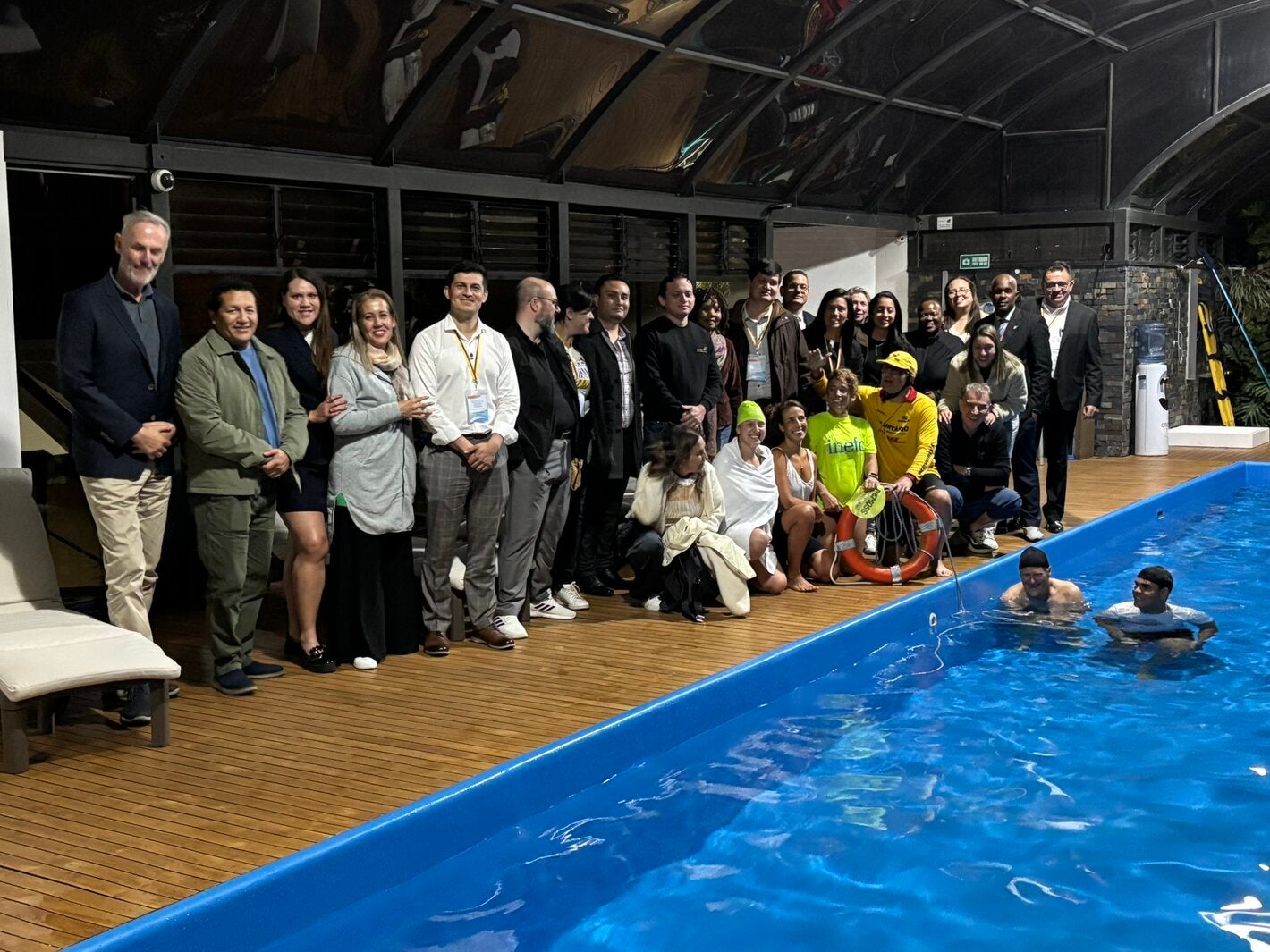
Washington, D.C., November 10, 2025 – To strengthen national and regional action on drowning prevention, the Pan American Health Organization (PAHO) convened a regional workshop bringing together representatives from 21 countries across Latin America and the Caribbean (LAC), alongside international experts. The workshop aimed to strengthen both national and regional efforts to reduce drowning, a significant yet often overlooked public health issue in the Americas.
The workshop focused on four primary objectives: raising awareness and fostering political commitment to drowning prevention; reviewing current strategies, policies, legislation, and effective programs at both regional and global levels; developing national and regional roadmaps to guide future initiatives; and defining the role of PAHO/WHO in supporting Member States' efforts.
National delegates showcased posters outlining their countries' drowning burdens and existing prevention measures. They also presented visual summaries of national drowning prevention efforts and worked in groups to identify key challenges and opportunities across leadership, policy and legislation, data and research, and community-level implementation. Countries additionally received tools to help prioritize actions based on local contexts, and they exchanged best practices for developing actionable roadmaps.
A key component of the workshop emphasized the importance of communication strategies in public health, featuring simulated brief presentations of national priorities to a mock group of media representatives. This exercise highlighted the critical role of effective messaging in gaining stakeholder support and advancing prevention efforts.
The World Health Organization (WHO) presented three new global tools under development: a comprehensive technical package for drowning prevention, detailed blueprints to guide project implementation, and the global strategy for drowning prevention. Participants provided feedback and ensured alignment with national and regional needs.
The workshop fostered a productive space for learning, collaboration, and collective action, reinforcing drowning prevention as a regional public health priority. PAHO reaffirmed its commitment to working with Member States, strategic partners, and global experts to reduce preventable drownings, save lives, and build safer communities throughout the Americas.