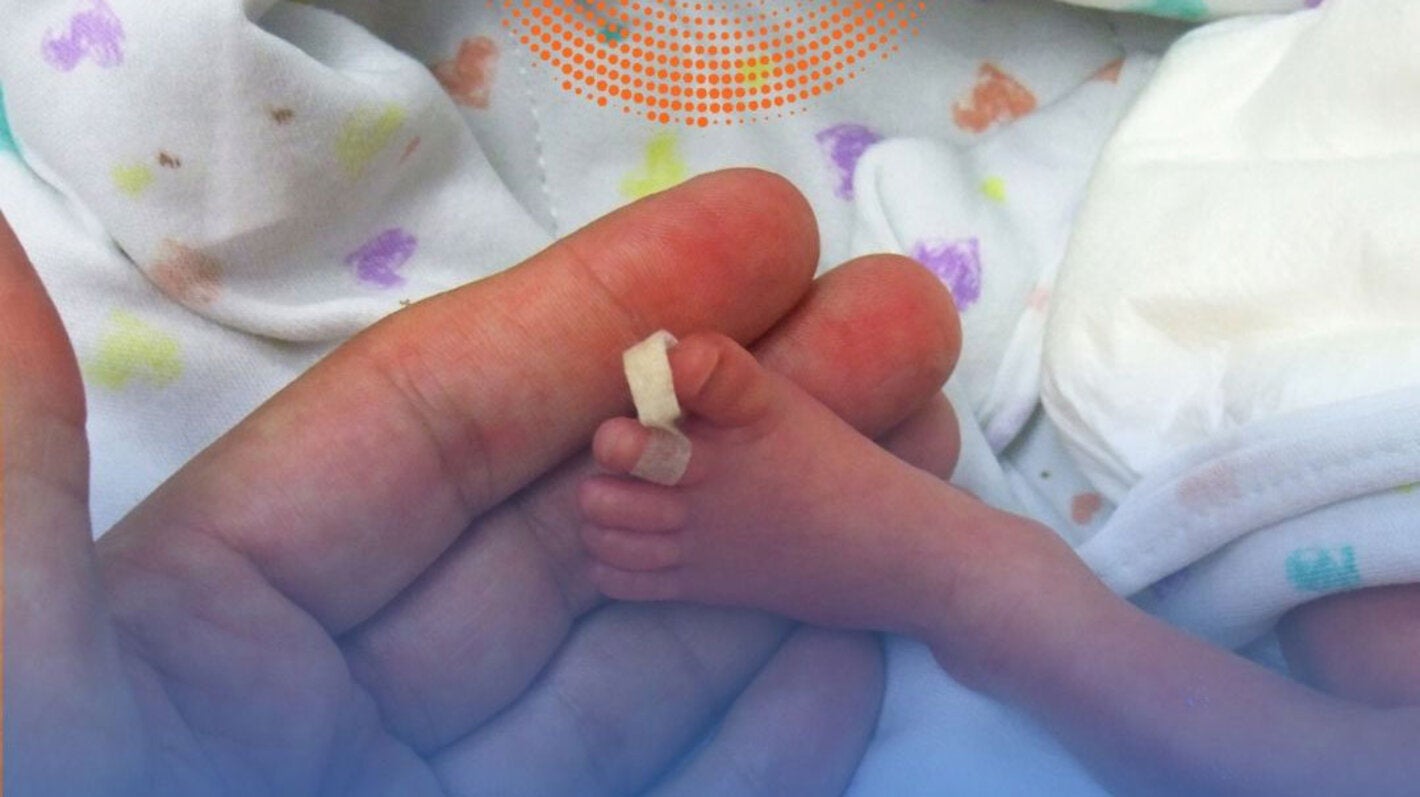
Washington, D.C., November 17, 2025 (PAHO) — Every year, an estimated 1 in 10 babies is born prematurely, which amounts to approximately 1.2 million children in the Region of the Americas. Prematurity, defined as birth before the 37th week of gestation, is one of the leading causes of neonatal mortality, morbidity, and disability.
Newborns face a significantly higher risk of complications — from breathing difficulties, infections, and poor growth to delays in neurological, school, and lifelong development.
On World Prematurity Day, the Pan American Health Organization (PAHO) calls on governments, civil society, health teams, and families to intensify efforts in neonatal health, ensuring that every baby born too soon has the chance to survive and thrive.
Under the theme “Giving premature babies a strong start for a hopeful future,” PAHO joins the World Health Organization (WHO) in this global call to raise awareness about the need to guarantee universal access to quality care from birth.
The challenges are multiple and go beyond clinical care. For families, a premature birth often means reduced income, long hospital stays, emotional stress, barriers to accessing services, and difficulties with follow-up care. For society, it represents a high cost in terms of health, psychosocial support, special education, and future productivity. And for health teams, it requires specialized professionals — particularly in neonatology and nursing — as well as technological resources, quality protocols, intersectoral coordination, and continuity of care from the neonatal unit through early childhood.
In response to these challenges, the resolution adopted by the World Health Assembly in May 2025 urges countries to invest in high-impact, evidence-based interventions, such as early initiation of breastfeeding, the use of the kangaroo care method and family support, the safe use of oxygen when required, and the availability of quality-assured medicines — all of which improve health outcomes for babies born too soon or with low birthweight.
Prematurity and inequality
Preterm newborns living in rural areas, Indigenous or Afro-descendant communities, families experiencing poverty, or those with limited access to quality health services face the greatest barriers to a healthy start.
“Reducing prematurity and its consequences requires addressing the inequalities that affect mothers, newborns, and their families,” said PAHO Director Dr. Jarbas Barbosa. “Actions must focus on the most vulnerable populations, where we continue to see the highest neonatal mortality rates and the greatest challenges to accessing quality care,” she added.
To advance equity in neonatal care, PAHO promotes several strategies that strengthen the capacity of health teams and communities. Among them is the free eCBB mobile app, which provides practical and up-to-date information on newborn care to both professionals and families.
“Progress in reducing neonatal mortality in the region depends on strengthening care for premature and small newborns. Investing in human resources, service networks, and postnatal follow-up is essential to offer a truly healthy start and save thousands of lives each year,” said Suzanne Serruya, Chief of the Women’s, Neonatal, and Reproductive Health Unit at PAHO.
PAHO also works closely with organizations of families of premature babies, promoting spaces for dialogue to identify needs, coordinate actions, and provide tools that strengthen their role in advocating for the right to quality care from the beginning of life.