The first national survey of amalgam waste confirms the sector’s transformation and provides guidelines for managing mercury safely, as part of a WHO/PAHO, UNEP and GEF pilot initiative
Montevideo, 17 December 2025 (PAHO) — With the support of the Pan American Health Organization/World Health Organization (PAHO/WHO), Uruguay has strengthened its technical, environmental, and communication capacities for eliminating the use of dental amalgam, a material containing approximately 50% mercury—an environmental contaminant that poses a risk to the workers who handle it.
Uruguay has been engaged in a sustained process to reduce the use of amalgam for more than 15 years. In 2013, universities with dentistry programs eliminated the practical teaching and clinical application of dental amalgam. In 2018, the Ministry of Public Health removed the use of this material from the oral health services covered by the Comprehensive Health Care Plan. Since 2020, no imports of mercury amalgam for use in dentistry have entered the country, a milestone that strengthens the transition toward safer, alternative materials for workers and the environment.
In recognition of these achievements, Uruguay was selected—along with Senegal and Thailand—as a pilot country for the Phasing Down Dental Amalgam Project, an initiative created by the United Nations Environment Program (UNEP) and the World Health Organization (WHO), with funding from the Global Environment Facility (GEF).
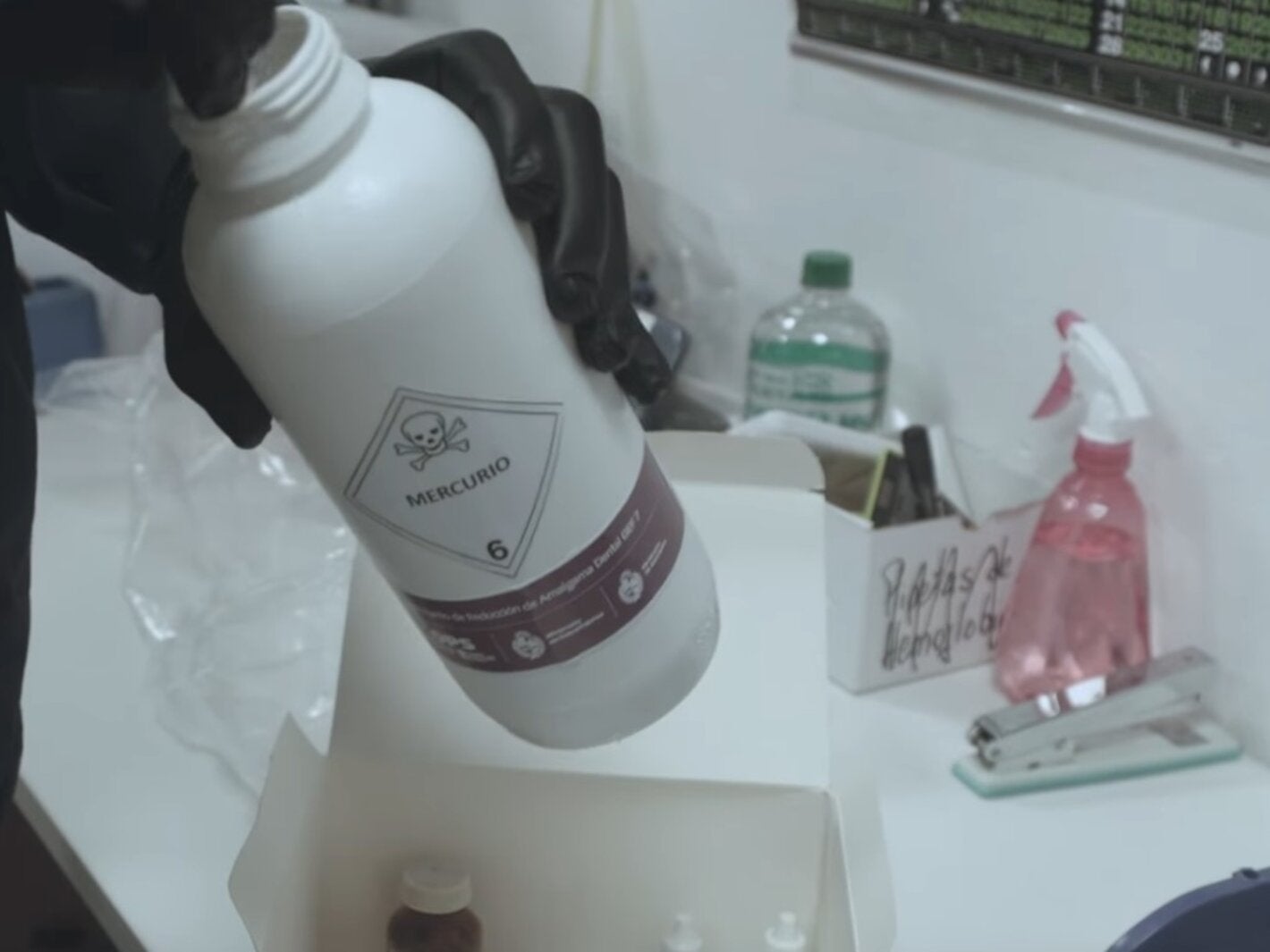
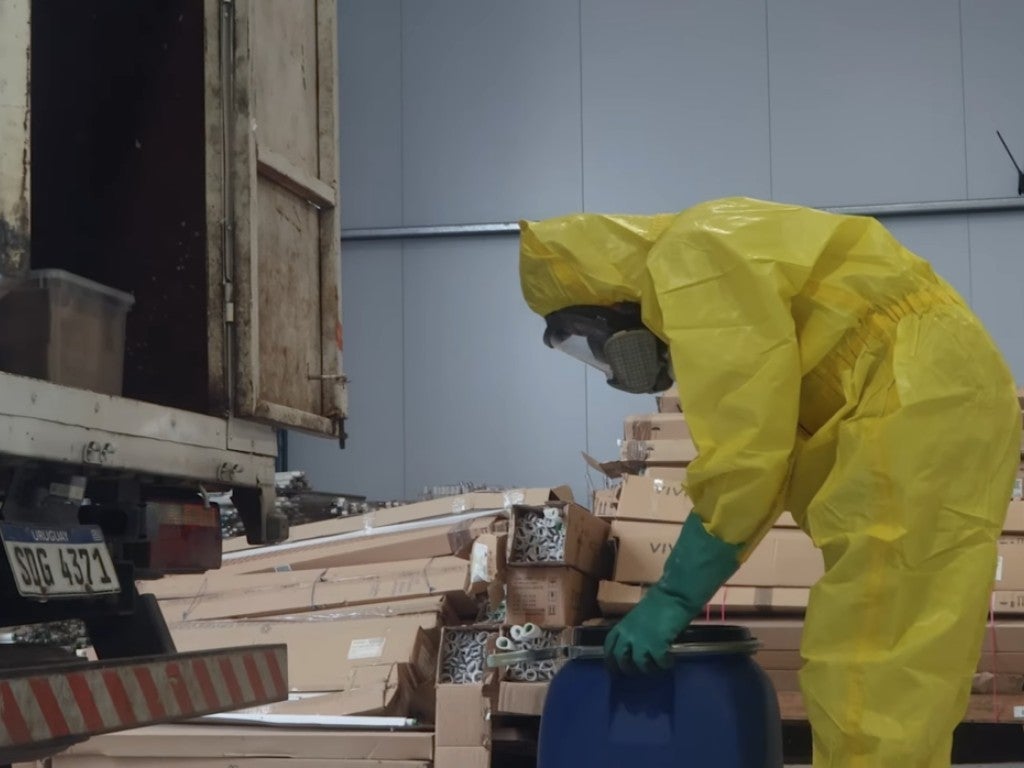
The project concluded in November 2025, and the results show that Uruguay has undergone a profound transformation. As part of the project, Uruguay conducted its first national survey of amalgam waste and identified 53 kilograms of mercury-containing waste, distributed across 35 collection points in 12 departments. More than 90% of this waste was concentrated in Montevideo.
Uruguay also witnessed a full generational shift in the profession: 100% of dentists trained since 2013 have never used amalgam.
“For many years, mercury was used in dental amalgam. For restorations, better materials are available, such as composite resins or glass ionomer cements, and they fulfill the same functions,” explained Agustín Cataldo, dentist and coordinator of the Oral Health Program at Uruguay’s Ministry of Public Health.
The project builds on the adoption of the Minamata Convention by the United Nations, a legally binding instrument that entered rigor in 2017 and aims to protect human health and the environment from anthropogenic emissions and the release of mercury.
“Since Uruguay is the only pilot country in the Region of the Americas, this project is of high relevance for PAHO, and these actions will contribute to strengthening technical and communication capacities in the field of dentistry,” said Caroline Chang, PAHO/WHO Representative in Uruguay.

The project was implemented over two years by the Ministry of Environment and the Ministry of Public Health, through WHO/PAHO, in partnership with various governmental, academic, and civil society organizations.
Key components:
- Reduction: Gradually reduce the use of dental amalgam.
- Management: Environmental management of mercury waste from amalgam.
- Dissemination: Promote global knowledge-sharing and access to information.
The project included educational materials and workshops aimed at Uruguay’s 4,000 dentists across the country. “The idea is to inform without causing alarm,” said Mónica Méndez, PAHO consultant. “And this task was carried out by dental professionals who can reach the population in a concise way and whom we can use as a tool for multiplying knowledge.”
The project coordinated waste management with hundreds of health centers and dental services across the country. “During collection, it is very important not to generate additional waste contaminated with mercury,” said Judith Torres, Minamata Convention focal point at the Ministry of Environment and member of the Project’s National Steering Committee.
Transport was carried out through licensed services suitable for handling hazardous materials, and for treatment and final disposal, the process was implemented locally through companies authorized by the Ministry of Environment.

“Uruguay’s experience provides technical and regulatory tools that will be made available to all countries in the region committed to eliminating mercury in dentistry,” recalled Caroline Chang, PAHO/WHO Representative in Uruguay.
In March 2026, WHO/PAHO, UNEP, and GEF have scheduled a workshop that will provide a platform for countries in the region to share experiences, identify practical solutions, and strengthen regional capacity to implement the provisions of the Minamata Convention on dental amalgam and the management of related waste. Among the invitees will be representatives from the environmental and health sectors of neighboring countries such as Brazil, Paraguay, Argentina, and Peru. Representatives from the Montevideo-based embassies of Chile, Colombia, Ecuador, Guyana, Suriname, and Venezuela are also invited.