Washington DC, 19 June 2025 (PAHO)—The World Health Organization (WHO) today released its first-ever global guideline on the management of sickle cell disease (SCD) during pregnancy, addressing a critical and growing health challenge that can have life-threatening consequences for both women and babies.
SCD is a group of inherited blood disorders characterized by abnormally shaped red blood cells that resemble crescents or sickles. These cells can block blood flow, causing severe anaemia, episodes of severe pain, recurrent infections, as well as medical emergencies like strokes, sepsis or organ failures.
Health risks associated with SCD intensify during pregnancy, due to heightened demands on the body’s oxygen and nutrient supply. Women with SCD face a 4- to 11-fold higher likelihood of maternal death than those without. They are more likely to experience obstetric complications like pre-eclampsia, while their babies are at greater risk of stillbirth or being born early or small.
“The new WHO guideline provides a critical foundation for countries in the Americas to strengthen health systems and develop technical frameworks that ensure safe, informed, and respectful pregnancy care and perinatal outcomes for women with sickle cell disease,” said Dr James Fitzgerald, Director of Health Systems and Services at PAHO.
There are around 7.7 million people living with SCD worldwide – a figure that has increased by over 40% since 2000. SCD is estimated to cause over 375 000 deaths each year. In the Region of the Americas, the Caribbean has the highest incidence of sickle cell disease outside of West Africa. Research on sickle cell disease has been conducted since the 1950s, and over the past two decades several countries and territories have implemented newborn screening (NBS) programs. These initiatives have shown significant benefits in reducing childhood mortality and morbidity through early diagnosis and care. However, many parts of the Americas still lack such early‐detection initiatives.
PAHO is supporting countries across the region to close this gap. Through technical cooperation and capacity-building workshops, PAHO has helped establish newborn screening programs in sixteen countries in the Region. It is also providing support on policy development, legislation and other technical areas.
Until now, clinical guidance for managing SCD in pregnancy has largely drawn on protocols from high-income countries. WHO’s new guideline aims to provide evidence-based recommendations that are also relevant for low- and middle-income settings, where most cases and deaths from the disease occur. Accordingly, the guideline includes over 20 recommendations spanning:
- folic acid and iron supplementation, including adjustments for malaria-endemic areas;
- management of sickle cell crises and pain relief;
- prevention of infections and blood clots;
- use of prophylactic blood transfusions; and
- additional monitoring of the woman and the baby’s health throughout pregnancy.
Critically, the guideline highlights the need for respectful, individualized care, adapted according to women’s unique needs, medical histories and preferences. It also addresses the importance of tackling stigma and discrimination within healthcare settings, which can be a major challenge for people with SCD in several countries around the world.
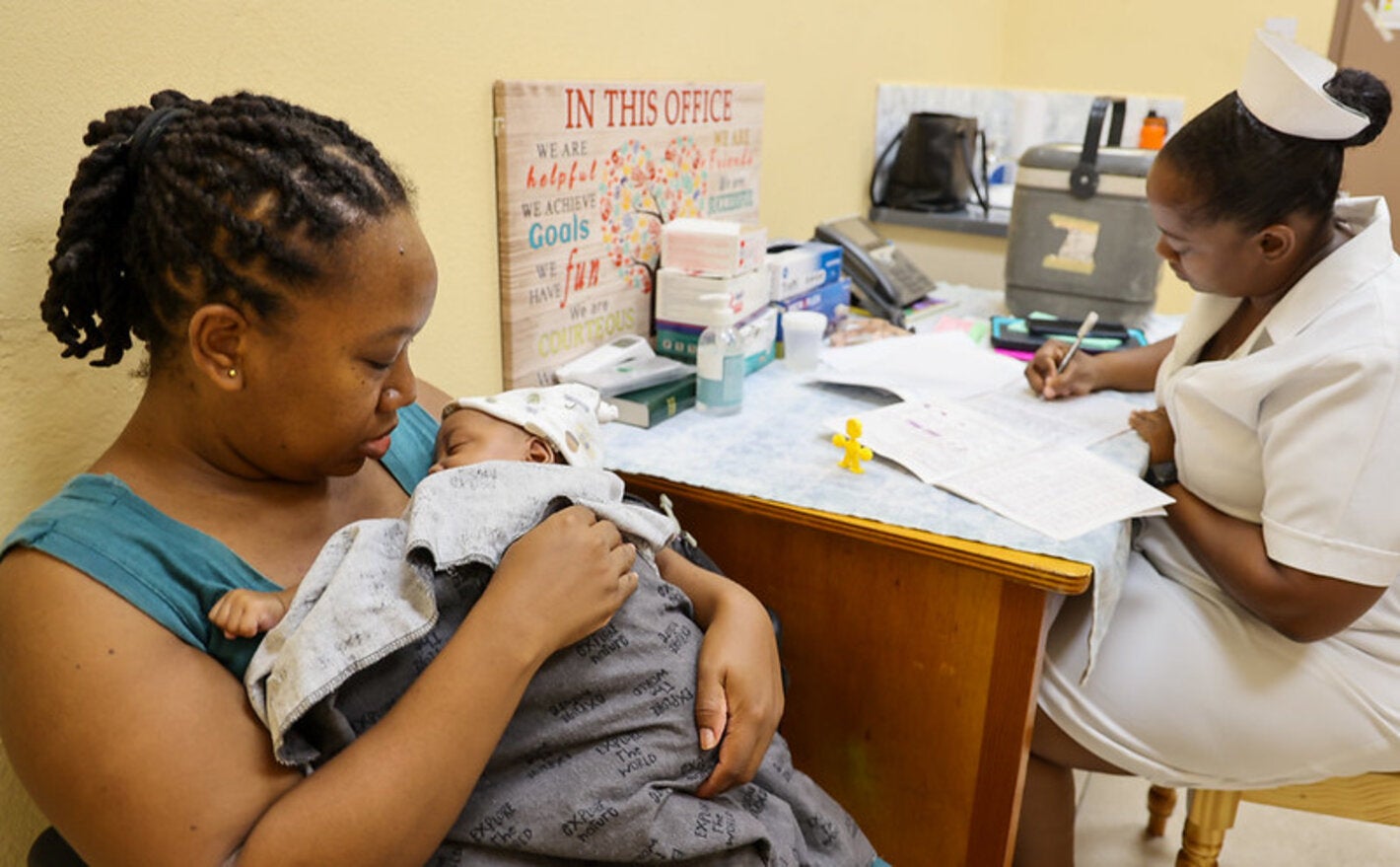
Given the complex nature of these disorders, if a pregnant woman has SCD, the guideline notes the importance of involving skilled and knowledgeable personnel in her care team. These may include specialists like haemotologists as well as midwives, paediatricians and obstetrician-gynecologists who provide services for reproductive and newborn health.
SCD is a neglected health condition that remains considerably under-funded and under-researched, despite its growing prevalence worldwide. While treatment options are improving for the general population, the guideline underscores the urgent need for more research into the safety and efficacy of SCD treatments for pregnant and breastfeeding women – populations that have historically been excluded from clinical trials.
PAHO is currently working on a clinical guideline on newborn screening, approved by the WHO Guidelines Review Committee (GRC), which includes sickle cell disease among seventeen conditions screened at birth. This guideline will provide the evidence needed to support and inform national policies and protocols.