Annai, Region 9, Guyana | 20 October 2026
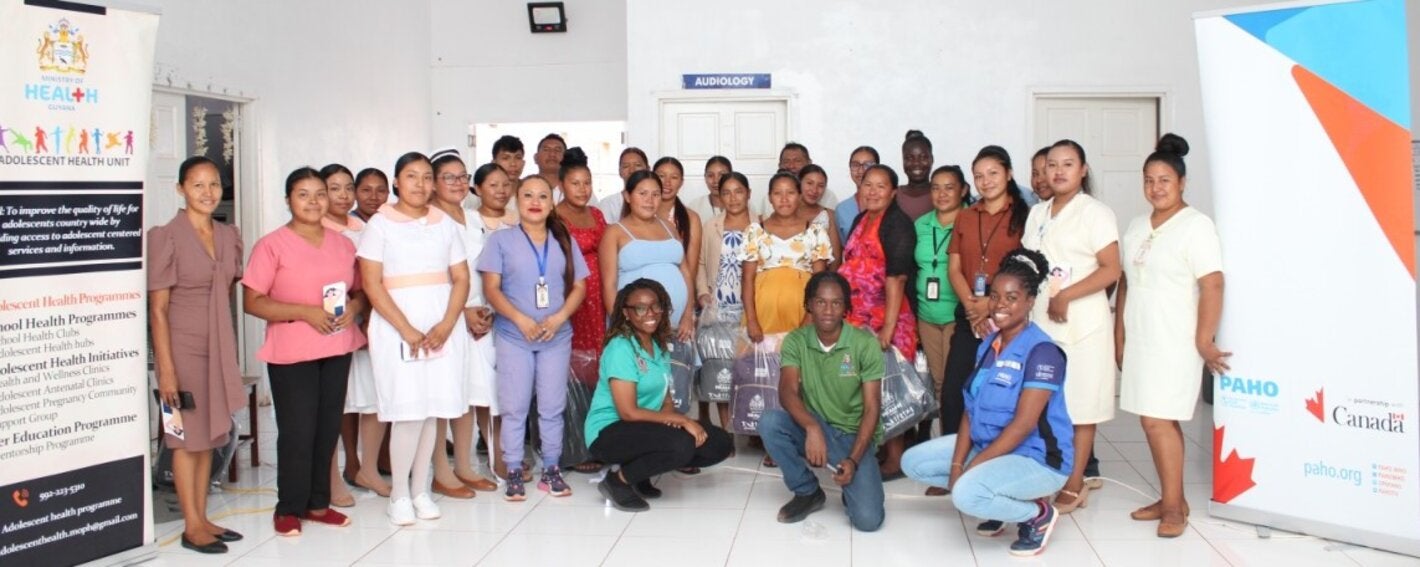
The Pan American Health Organization (PAHO), in collaboration with the Ministries of Health and Education, conducted a series of Water, Sanitation and Hygiene (WASH) and Sexual and Reproductive Health (SRH) sensitization activities in Annai on 8 October in observance of Adolescent Pregnancy Prevention Week. These activities were part of the Closing the Gaps Canadian project that aims to strengthen health awareness and promote healthy lifestyles among vulnerable groups.
Annai is an Indigenous village located in the Upper Takutu-Upper Essequibo Region of Guyana, on the edge of the Rupununi savannah and at the foothills of the Pakaraima Mountains. The community is predominantly made up of members of the Wapishana Indigenous people. Reaching Annai from Georgetown involves a challenging journey along rough roads and dusty, unpaved trails, which takes approximately eight hours. From Annai, travelling to Lethem, the main town in the region, takes an additional three hours. These challenging road conditions and long travel times highlight the geographical isolation of the community and the difficulties associated with accessing the area.
The outreach initiative brought together pregnant women, adolescent mothers, healthcare workers, teachers, and students, creating opportunities for meaningful discussions on maternal health, personal well-being, hygiene, and adolescent development.
Supporting Mothers Through Knowledge
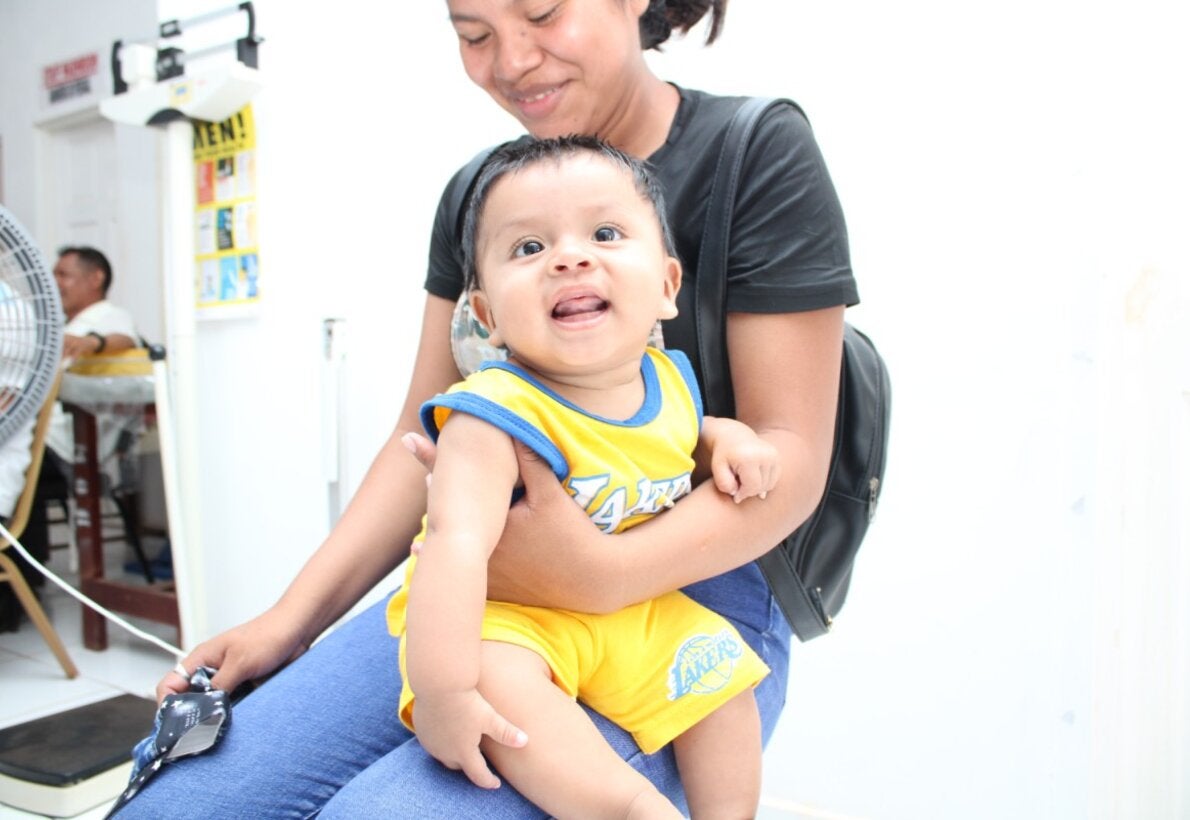
The day began at the Annai District Hospital, where PAHO and the Ministry of Health facilitated an interactive one-and-a-half-hour Sexual and Reproductive Health session for teenage mothers and other pregnant women residing at the maternity waiting home.
The session focused on helping participants navigate pregnancy safely and confidently by addressing topics such as adolescent pregnancy, proper nutrition, antenatal care, breastfeeding, postpartum family planning, safe exercises during pregnancy, and healthy lifestyle practices that contribute to positive maternal and child health outcomes.
Participants actively engaged in discussions, asked questions, and shared personal experiences, creating an environment where learning and dialogue could flourish. The session not only strengthened women’s understanding of their health but also empowered them to make informed decisions throughout pregnancy and motherhood.
Healthcare workers serving the community also took part in the session, recognizing the opportunity to enhance their knowledge and strengthen their capacity to provide ongoing reproductive health education. Their participation reinforced the sustainability of the initiative by ensuring that key health messages will continue to be shared long after the outreach activity concluded.
Engaging Young People in Critical Health Conversations
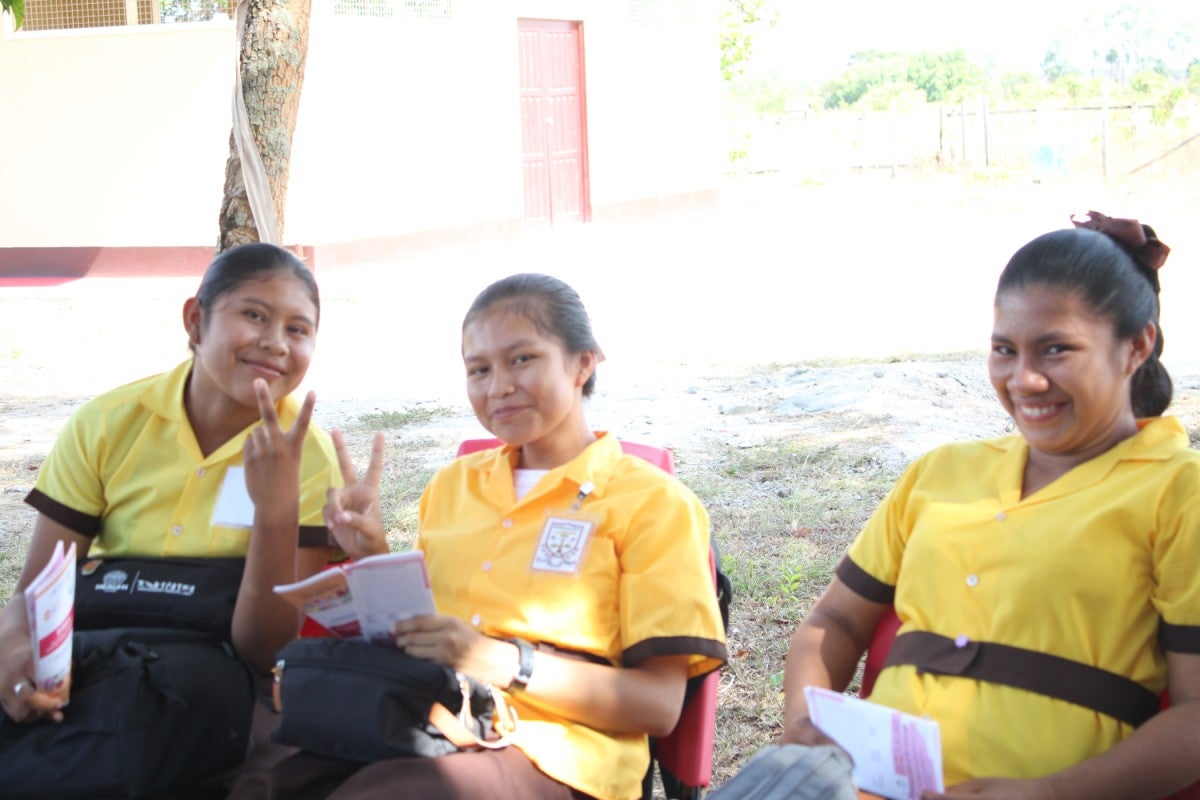
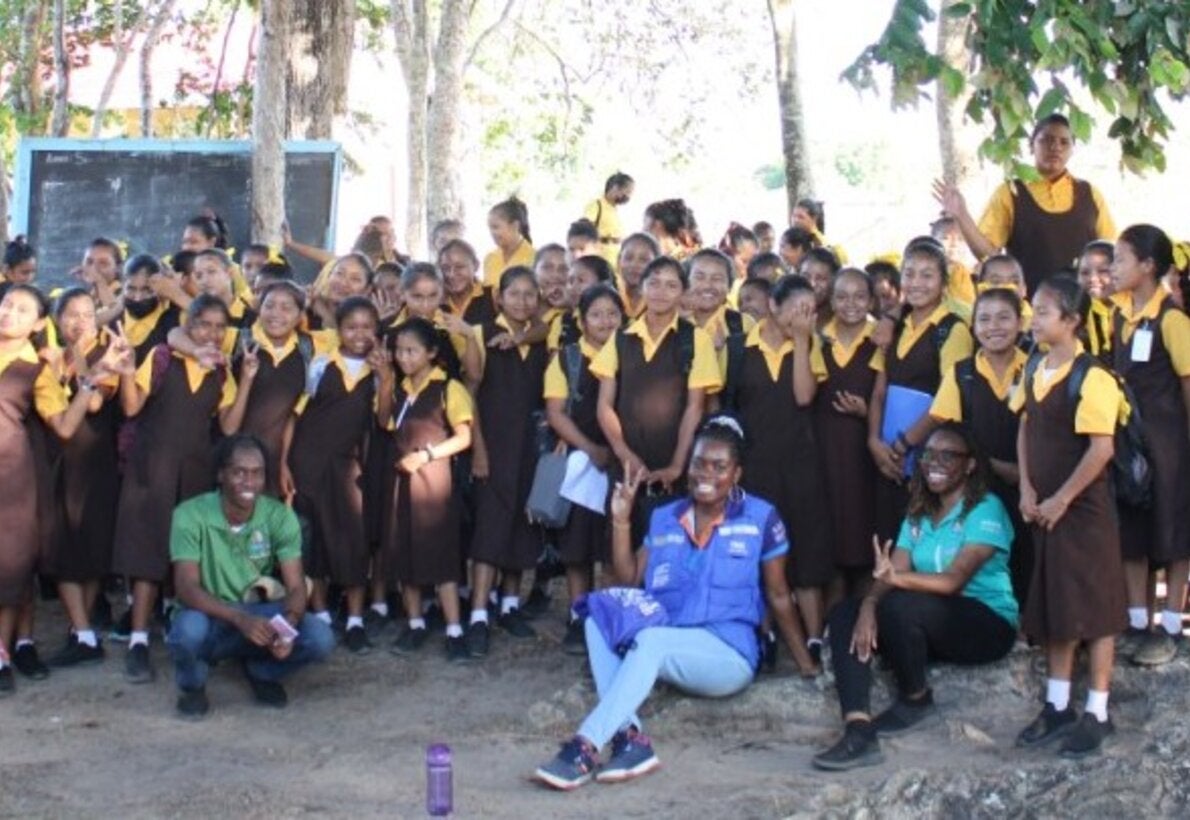
In the afternoon, the outreach team visited Annai Secondary School, where adolescent students from the dormitories participated in a two-hour WASH and SRH sensitization session.
The activities created a safe and supportive space for both boys and girls to discuss issues that directly affect their lives and future well-being. Sessions were conducted separately for boys and girls to encourage open and comfortable discussions on sensitive topics. Discussions covered self-esteem, self-care, personal hygiene, menstrual health, bullying, consent, gender-based violence, healthy relationships, and teenage pregnancy.
Students actively participated throughout the session, demonstrating keen interest in the topics and openly engaging with facilitators. Their responses highlighted the importance of providing age-appropriate information that helps young people build confidence, develop healthy behaviours, and make informed decisions.
One dormitory mother expressed her appreciation for the initiative, noting its value for young girls who are just beginning to learn about their changing bodies.
“I think what y’all are doing is good, especially teaching them about teenage pregnancy and other things like menstruation. At least four of my girls haven’t seen their period as yet, but they were able to learn what to do when they get their period.”
Her comments underscored the impact of providing practical health education in communities where access to reliable information can be limited.
To support the messages delivered during the session, students received hygiene packages aimed at encouraging the continued practice of good personal hygiene and healthy habits.
Positive Reception and Lasting Impact
The sensitization activities were widely praised by students, teachers, healthcare workers, and community members. Participants described the sessions as informative, engaging, and relevant to the realities faced by both young people and expectant mothers.
Teachers and students expressed a strong desire for similar activities to be held more frequently and recommended expanding the programme to additional schools within the Annai community. The feedback reflected a growing recognition of the importance of comprehensive health education in promoting healthier individuals, families, and communities.
Looking Ahead
The successful implementation of the activities demonstrated the value of bringing health education directly to remote communities.
By equipping pregnant women and adolescents with essential maternal health knowledge and empowering adolescents with information on hygiene, reproductive health, and personal well-being, PAHO and partners continue to foster healthier futures across Guyana. The positive response from participants highlights the ongoing need for such interventions and reinforces the importance of sustained investments in health promotion and education, particularly in hinterland communities.