Kingston, Jamaica, 21 July 2025 (PAHO/WHO) – Building on the foundation laid at a November 2024 data-use workshop, Jamaica is strengthening its efforts to turn immunization data into actionable insights. This initiative is being piloted through a collaborative effort led by the Ministry of Health and Wellness (MOHW), with support from PAHO, UNICEF, and Palladium LLC, the lead implementer of the U.S.-funded Data for Implementation (Data.Fi) project. The new data-use strategy aims to enhance the country’s decision-making processes and improve immunization outcomes.
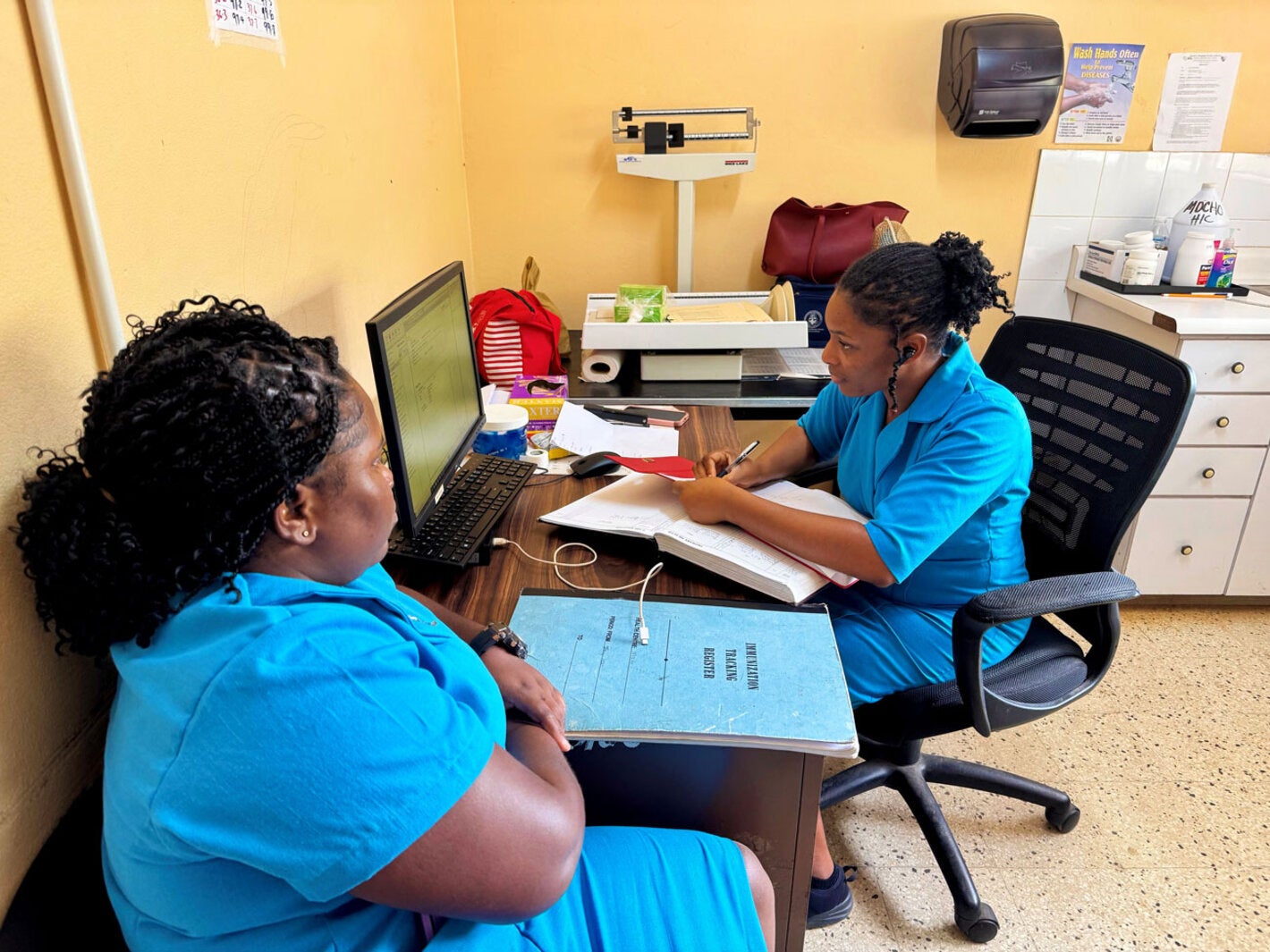
A key feature of this strategy is the introduction of “situation rooms,” which are dedicated spaces where health teams come together to review, analyze, and act on immunization data in real time. The Montego Bay Type V Health Centre and Mocho Health Centre in Clarendon have been selected among the pilot sites for Jamaica’s electronic immunization registry (EIR) and are the first to implement this data-use strategy. As part of the country’s broader effort to modernize its Expanded Programme on Immunization (EPI), these facilities are leading the way in promoting a culture of data-informed decision-making at the local and regional levels. Through regular, structured data reviews, the situation rooms help identify performance gaps, explore root causes, and develop targeted action plans to improve immunization outcomes.
At the heart of this initiative is a commitment to using data not just for reporting, but for real-time problem-solving. The situation rooms bring together health professionals, data analysts, and decision-makers to review routine immunization data biweekly. Using tailored analytics and visualization tools, participants co-create action plans based on evidence and local context. This applied methodology is central to the EIR data-use strategy and represents a critical step toward strengthening the EPI and preparing for the national rollout of the digital registry.
“These sessions are more than just meetings. They are dynamic spaces for accountability and learning,” said Dr. Melody Ennis, EIR Project Manager at MOHW. “We are equipping our teams with the tools and mindset to use data as a catalyst for continuous improvement.”
To support this shift, the project team has developed a standardized action plan template that helps translate insights from data reviews into concrete, time-bound interventions. The template includes sections for identifying performance gaps, assigning responsibilities, and tracking follow-up actions, ensuring that data leads to measurable change. Early feedback from Montego Bay and Mocho pilots highlights increased engagement among health workers and a stronger sense of ownership over immunization outcomes.
This initiative is part of a broader vision supported by Canada’s Global Initiative for Vaccine Equity (CanGIVE), with technical assistance from PAHO and UNICEF. It reflects a growing recognition that digital tools alone are not enough. What matters is how data is used to inform decisions, allocate resources, and ultimately, protect lives. As Jamaica continues to lead by example, the lessons learned from these pilots will guide national scale-up and offer valuable insights for other countries in the region pursuing enhanced digital health transformations.