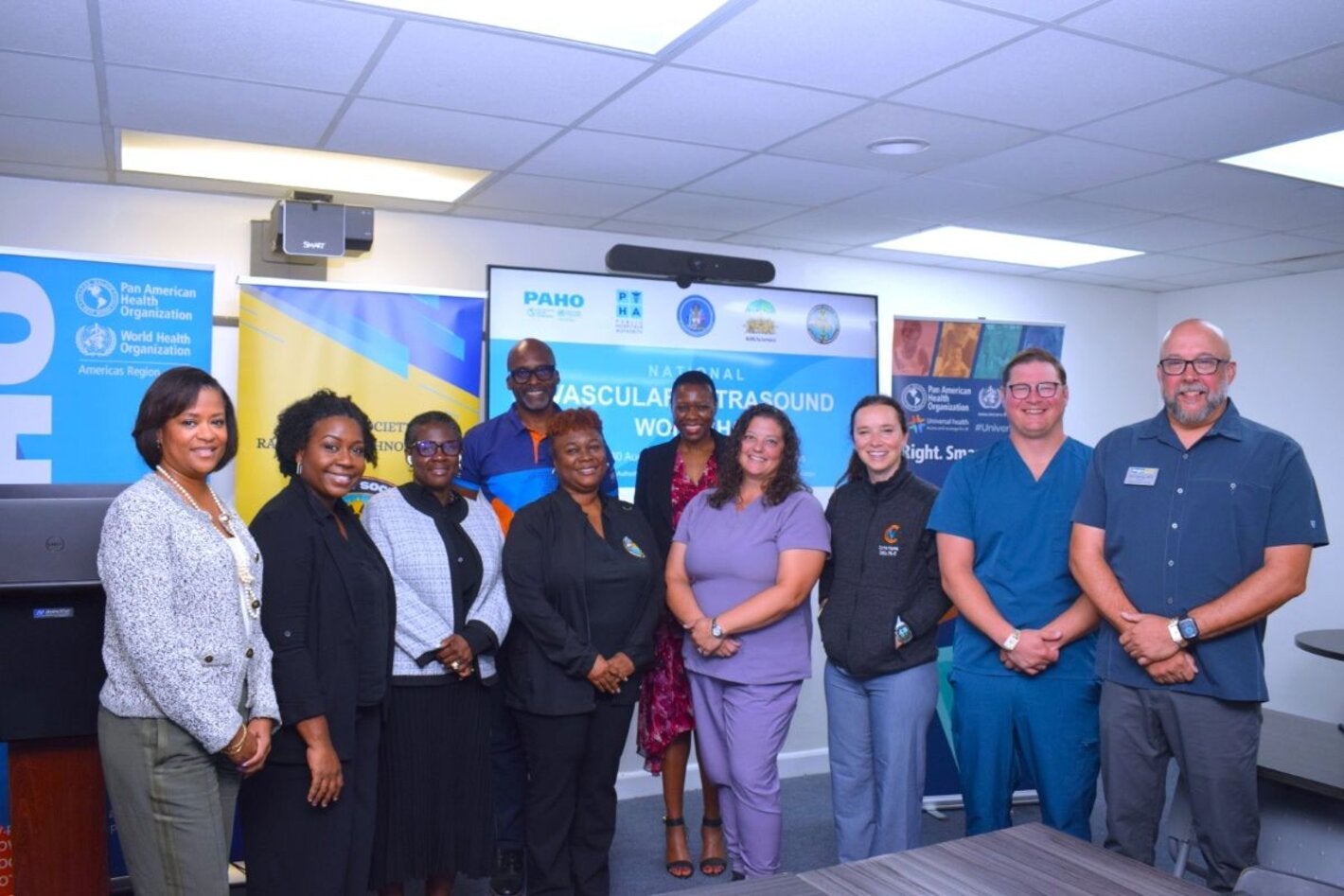
Nassau, The Bahamas - More than 30 sonographers, radiologists, radiology residents, radiographers and physicians from 11 public and private institutions in The Bahamas participated in the National Vascular Ultrasound Workshop, held from 28 to 30 August 2026. The workshop also included online participation, allowing additional practitioners to join selected sessions remotely, including from outside The Bahamas. In partnership the Ministry of Health and Wellness, Public Hospitals Authority, technical cooperation from PAHO/WHO and funding from the Universal Health Coverage Partnership (UHC-P), the three-day workshop held aimed to strengthened national capacity for vascular ultrasound as part of wider efforts to improve timely diagnosis, referral and care for noncommunicable diseases.
That number is significant given the size of the national sonography workforce. “In a country with a population of over 400,000 people, we have approximately 20 sonographers providing services throughout both the public and private healthcare sectors,” said Mrs. Patrona Robinson, President of The Bahamas Society of Radiologic Technologists (BSRT).
PAHO approached the activity as service strengthening. “Vascular ultrasound is useful only when a capable operator follows an agreed protocol, produces a reliable report and connects the patient to timely clinical action,” said Dr. Anton Best, Advisor for Health Systems and Services at PAHO/WHO. “In a small island developing state, one trained sonographer may effectively be the service in some facilities. Train a cohort, drawn from both sectors and working from the same protocol, and you build a service that is more resilient and more sustainable.”
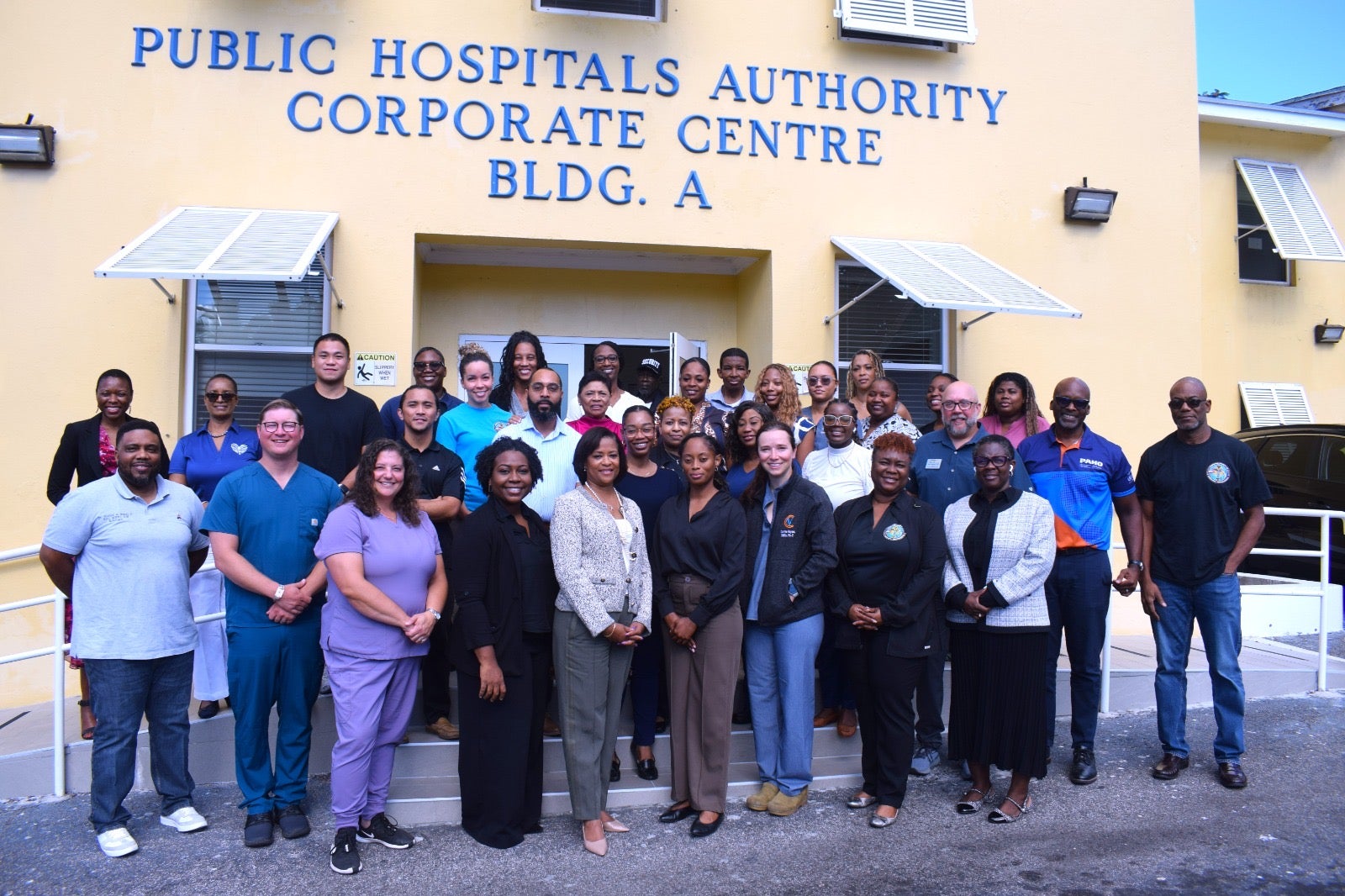
PAHO consultant, Dr Kayiba Medlen also began a situational analysis of ultrasonography services covering equipment, imaging protocols, reporting and communication, referral pathways and access in the Family Islands. The assessment applies a primary health care lens, examining whether a patient who presents at a community clinic with a non-healing foot ulcer can be referred, scanned and treated without avoidable delay, and whether a report issued in one facility is trusted and acted upon in another.
“Early detection saves limbs. Early intervention saves lives. That is prevention in action,” said Dr. Jillian Neely-Bartlett, Deputy Chief Medical Officer.
The work supports priorities reflected in the National Health Strategy 2026 to 2030.
A follow-up webinar series is planned for November 2026 to help participants work through issues encountered after returning to practice.