Washington D.C., 24 July 2026 (PAHO)– One month after a powerful earthquake doublet struck its north-central region, the Pan American Health Organization (PAHO) has reaffirmed its commitment to supporting the country’s health recovery. Although the immediate aftermath of the disaster has passed, the health emergency continues, with the response now entering a critical phase focused on restoring services, preventing disease, and supporting long-term recovery.
“Our thoughts remain with the families mourning the loss of their loved ones, with those who continue to recover from their injuries, and with the thousands of people whose lives changed in a matter of seconds,” said PAHO Director, Dr. Jarbas Barbosa.
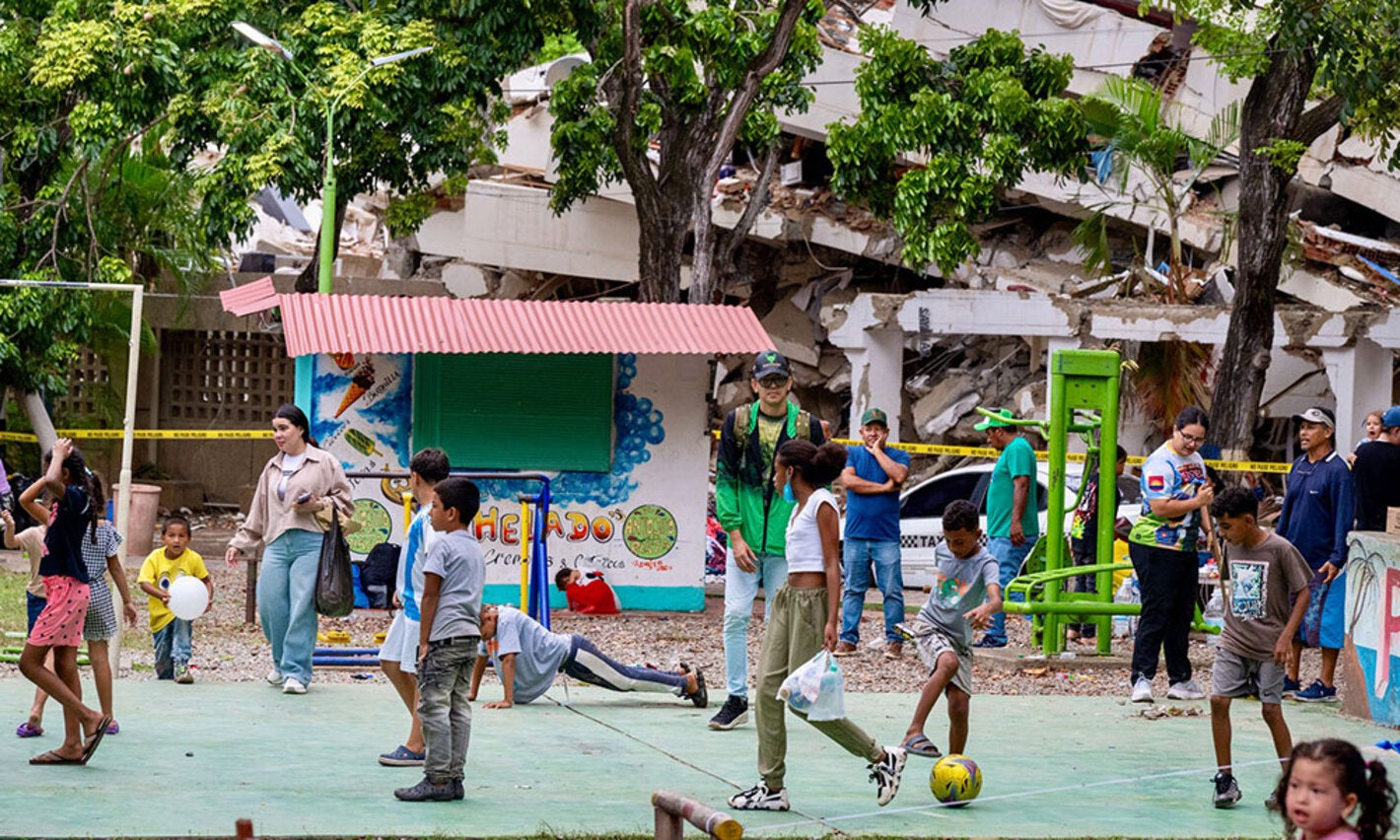
The scale of the disaster has been profound. According to official reports, the catastrophic events resulted in 5398 confirmed deaths, 16,740 injuries, and 17,907 people displaced, with over 23,335 individuals currently living across 107 transitional camps. Initial estimates indicate direct physical damage to infrastructure totaling billions of dollars, affecting hundreds of buildings, including vital hospitals and health facilities.
In a video message to mark the day, Dr. Barbosa expressed his “most sincere gratitude to the healthcare workers, first responders and humanitarian personnel from PAHO” who have worked tirelessly since the onset of the crisis.
“From initial recue efforts to ongoing care in hospitals, health centers, and temporary camps, your commitment has helped save lives and ease the suffering of thousands of people,” he said.
PAHO's longstanding presence in Venezuela enabled the Organization to respond from the earliest hours of the emergency. Working side by side with the Ministry of the People's Power for Health (MPPS), UN agencies, and humanitarian partners, PAHO has supported the national response from day one.
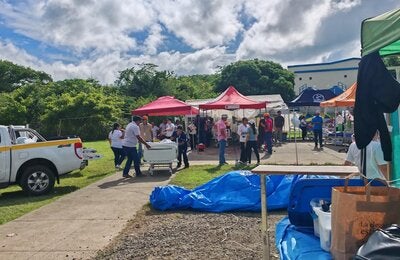
To date, PAHO, which is also the Regional Office for the Americas of the World Health Organization (WHO) has mobilized 33.5 metric tons of medicines, medical equipment and essential supplies to support health services in affected areas and coordinated the deployment of 22 operational Emergency Medical Teams (EMTs), 14 of which are currently operational. These specialized teams have delivered 23,779 consultations, including 200 major and 238 minor surgical procedures, helping relieve pressure on damaged and understaffed health facilities so affected communities continue to receive essential care.
Preventing disease and restoring essential care
Although the acute trauma phase is passing, public health risks remain high due to displaced populations, damaged water and sanitation infrastructure, and overcrowded temporary shelters.
“The health emergency continues, and we must now focus on restoring and maintaining essential health services, including mental healthcare,” said Dr. Barbosa. “Beyond treating physical injuries, we must address the deep psychological impact of this tragedy and ensure the continuity of care for people with chronic illnesses, as well as maternal and child health.”
To address these evolving health needs, PAHO is supporting national authorities and partners in four key areas:
- Health facility assessments and hospital recovery: Of 73 health facilities assessed so far, 38 reported earthquake-related damage and 3 remain non-operational. PAHO is assisting with hospital recovery planning, functional restoration, and long-term resilience.
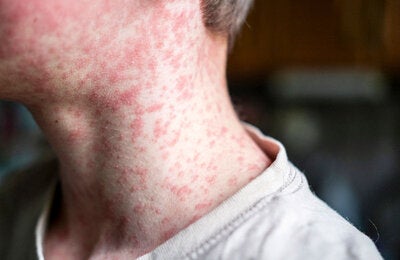
- Disease prevention and surveillance: Enhancing epidemiological surveillance, digital health information systems, public health risk assessments, and promoting access to safe water, sanitation, and vaccination to prevent outbreaks of communicable and vaccine-preventable diseases.
- Mental health and psychosocial support (MHPSS): Implementing the national MHPSS operational plan and integrating community psychosocial support into primary care.
- Health personnel protection: Supporting the physical and mental well-being of health workers through psychosocial support, occupational safety measures, and initiatives to protect their families.
Ensuring future health resilience
To sustain this critical work, PAHO launched a US$24 million emergency appeal to support the first six months of the health response. While contributions from partners and donors have helped advance urgent interventions, continued financial support remains essential to address evolving health needs, restore services, and accompany Venezuela through the recovery process.
As international attention shifts, the PAHO Director underscored that the Organization’s commitment to Venezuela remains unchanged. Through its Country Office, PAHO will continue working alongside national authorities to restore essential health services, strengthen referral networks, and help build a more resilient health system for the future.
“Even as public attention fades, the needs of affected communities remain,” Dr. Barbosa added. “PAHO will continue to stand with Venezuela, working alongside the Ministry of Popular Power for Health to ensure that people can access the care they need while supporting the country’s long recovery.”
He added that recovery is also an opportunity to strengthen the country’s health system and increase its resilience to future emergencies and “build back better.”
“Health recovery begins long before physical reconstruction ends,” he said. “It begins when a person regains access to their treatment, when a mother can give birth safely, when a hospital is fully operational again, and when families begin to recover hope. That is the commitment PAHO is making to Venezuela.”