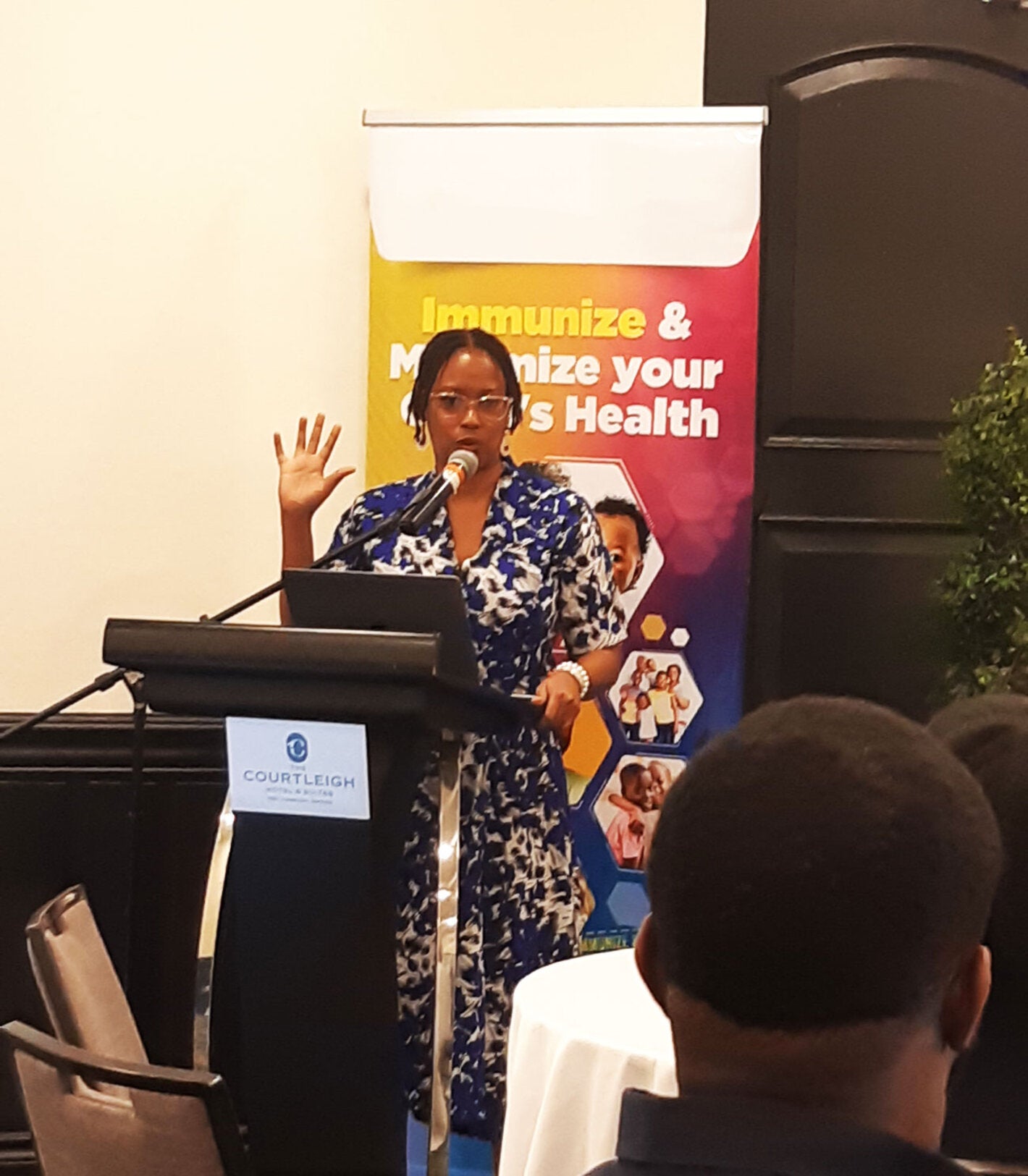
Kingston, Jamaica, 26 August 2025 (PAHO/WHO) – Jamaica has made another crucial step towards strengthening its immunization program with a recently held national stakeholder consultation to design a vaccination coverage survey. The workshop, which was organized by the Pan American Health Organization/World Health Organization (PAHO/WHO) in collaboration with the Ministry of Health and Wellness (MOHW), brought together key partners from government, academia, civil society, and international organizations to co-create a roadmap for the survey.
The upcoming survey will provide a more reliable picture of Jamaica’s immunization landscape, helping to guide evidence-based decisions, targeted interventions, and stronger policies. Accurate vaccination coverage data is essential for identifying gaps, improving equity, and ensuring that every child is protected against vaccine-preventable diseases. While administrative data provides a useful snapshot, it often conceals discrepancies caused by incomplete records, manual reporting systems, and population movements. These challenges have been compounded by the COVID-19 pandemic, which disrupted routine health services and contributed to delays in vaccination.
During the one-day meeting, participants reviewed the limitations of current data systems, including inconsistencies between vaccination cards and registry books, delays in data submission, and the absence of sex-disaggregated information. They also discussed the need to validate true coverage for key vaccines, which are critical for preventing outbreaks.
Stakeholders agreed that the survey should focus on children aged 0–7 years, with particular emphasis on the 12–23-month age cohort, which serves as a key indicator of vaccination program performance. They also highlighted the importance of understanding behavioral and social drivers of vaccination, such as trust in health services and concerns about side effects, which will be essential for designing effective strategies.
The consultation was made possible through the support of Global Affairs Canada under the CanGIVE initiative, which aims to advance vaccine equity and strengthen health systems across the Americas. This partnership has been instrumental in enabling Jamaica to take a series of steps over the past two years to reinforce its immunization program, including this latest effort to improve data quality and coverage monitoring.
“This survey is a valuable milestone in Jamaica’s ongoing work to strengthen its vaccination program,” said Mr. Ian Stain, PAHO Representative in Jamaica. “By improving the quality of coverage data, we can better identify gaps and ensure that every child, no matter where they live, has access to life-saving vaccines. With the support of partners like Global Affairs Canada through the CanGIVE initiative, Jamaica is taking concrete action toward achieving regional immunization goals and ending health inequities.”
By the end of the meeting, participants had reached consensus on the survey’s objectives, target population, and methodological approach, drawing on WHO’s cluster survey guidelines. They also outlined next steps, including drafting the proposal, securing ethical approvals, and mobilizing resources for implementation in 2026. Once completed, the survey is expected to provide critical evidence to inform Jamaica’s immunization policies and contribute to PAHO’s Regional Immunization Action Plan, which seeks to close coverage gaps, prevent outbreaks, and protect the health of every person in the Americas and the Caribbean.