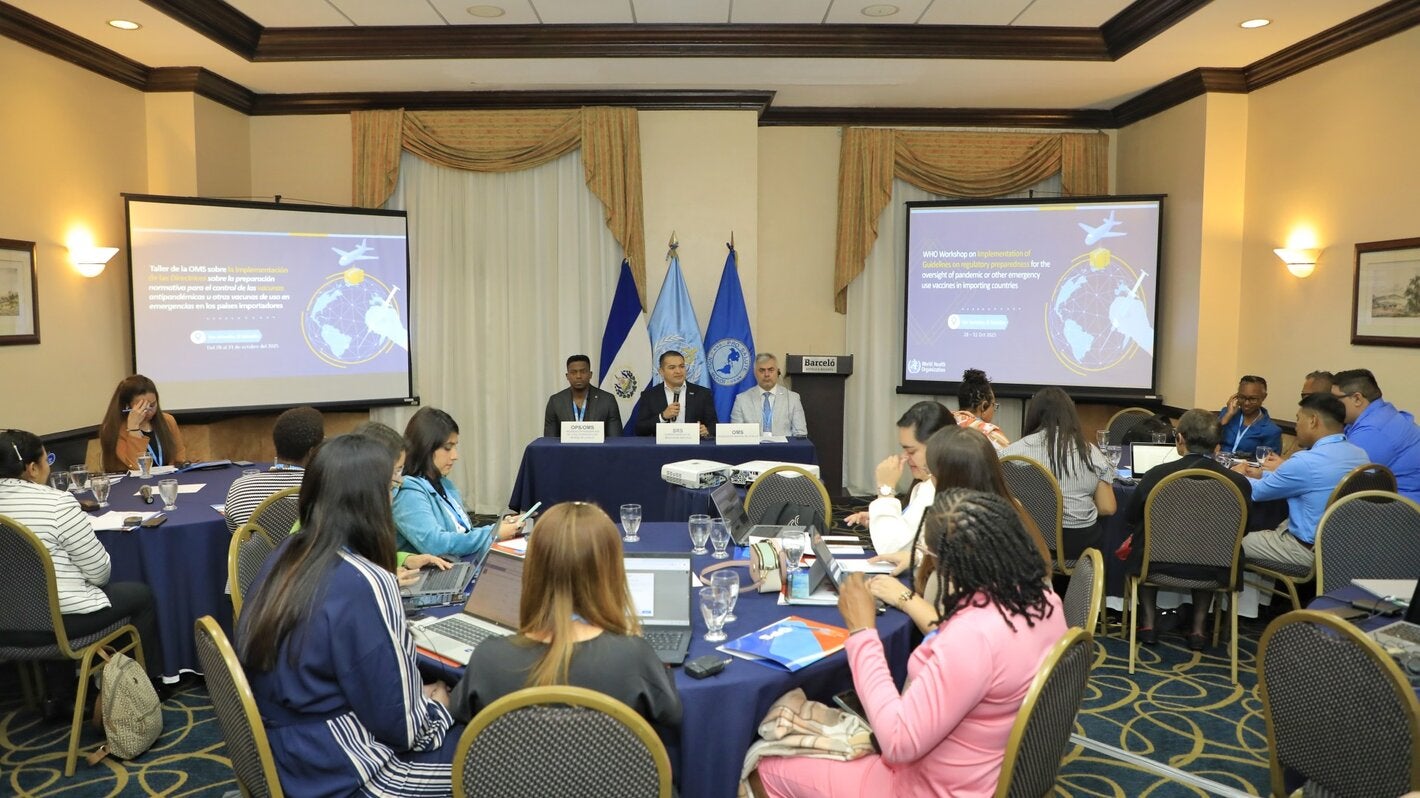
San Salvador, El Salvador, October 30, 2025 — Fifteen countries from the region and the Caribbean Regulatory System (CRS), participated in a workshop organized by the Pan American Health Organization (PAHO), in collaboration with the World Health Organization (WHO), focused on regulatory preparedness for overseeing pandemic or emergency-use vaccines in importing countries.
The main objective of the workshop was to strengthen national regulatory capacities to authorize the use of medical products, especially vaccines, during health emergencies such as pandemics. Through technical sessions, practical exercises, and expert presentations, participants explored regulatory approaches such as reliance and recognition, as well as surveillance and quality control mechanisms.
Over the four days of work, key topics were addressed, including:
- Authorization for vaccine importation and batch release
- Risk-based considerations for regulatory evaluation
- Pharmacovigilance and post-authorization changes
- Pandemic response simulations
- Development of national roadmaps for regulatory preparedness
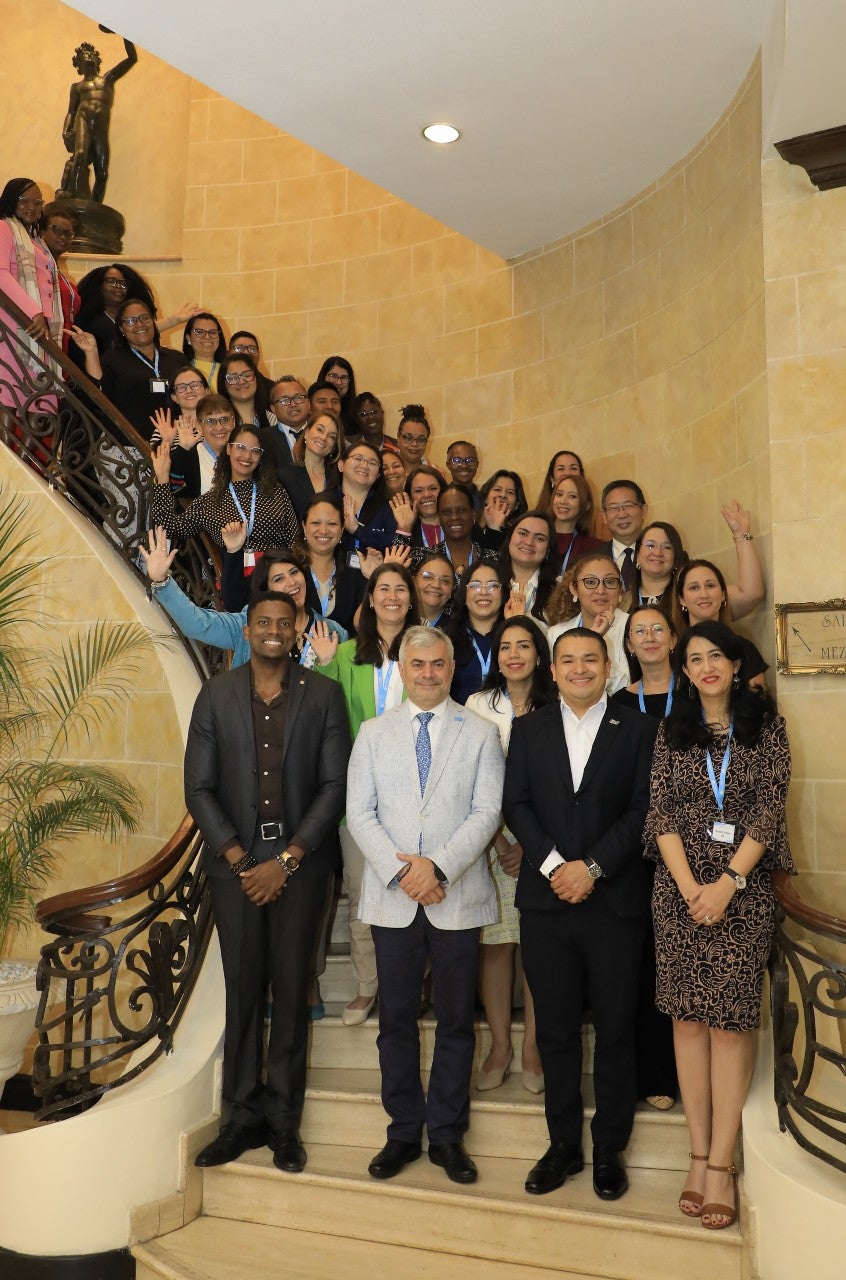
During the workshop, representatives from national regulatory authorities received support for implementing the revised guidelines published by WHO in 2024, which expand the scope of previous versions to include all vaccines used in health emergencies. These guidelines have been essential in guiding non-vaccine-producing countries in the authorization and oversight of products during critical situations.
The activity was conducted within the framework of the Pandemic Influenza Preparedness (PIP) Framework, which promotes the development of a global approach to preparedness and response to pandemic influenza. It included facilitators from WHO and PAHO, as well as international consultants with experience in pandemic vaccine regulation. Additionally, the exchange of experiences among countries regarding regulatory management during the COVID-19 pandemic and other recent emergencies was encouraged.
This workshop represents a significant step toward strengthening national regulatory systems in the region, contributing to a more agile and coordinated response to future health emergencies.