Caracas, Venezuela/Washington, D.C., 30 June 2026 (PAHO) – The Pan American Health Organization (PAHO) is expanding its support to Venezuela's Ministry of Health following the two powerful earthquakes that struck the country on 24 June, deploying technical experts, coordinating international Emergency Medical Teams (EMTs), assessing damaged health facilities, and mobilizing emergency medical supplies to support lifesaving care and reduce the risk of disease outbreaks.
According to official reports, more than 1,430 people have died and over 3,200 have been injured, numbers that will unfortunately continue to rise as search, rescue, and recovery operations progress.
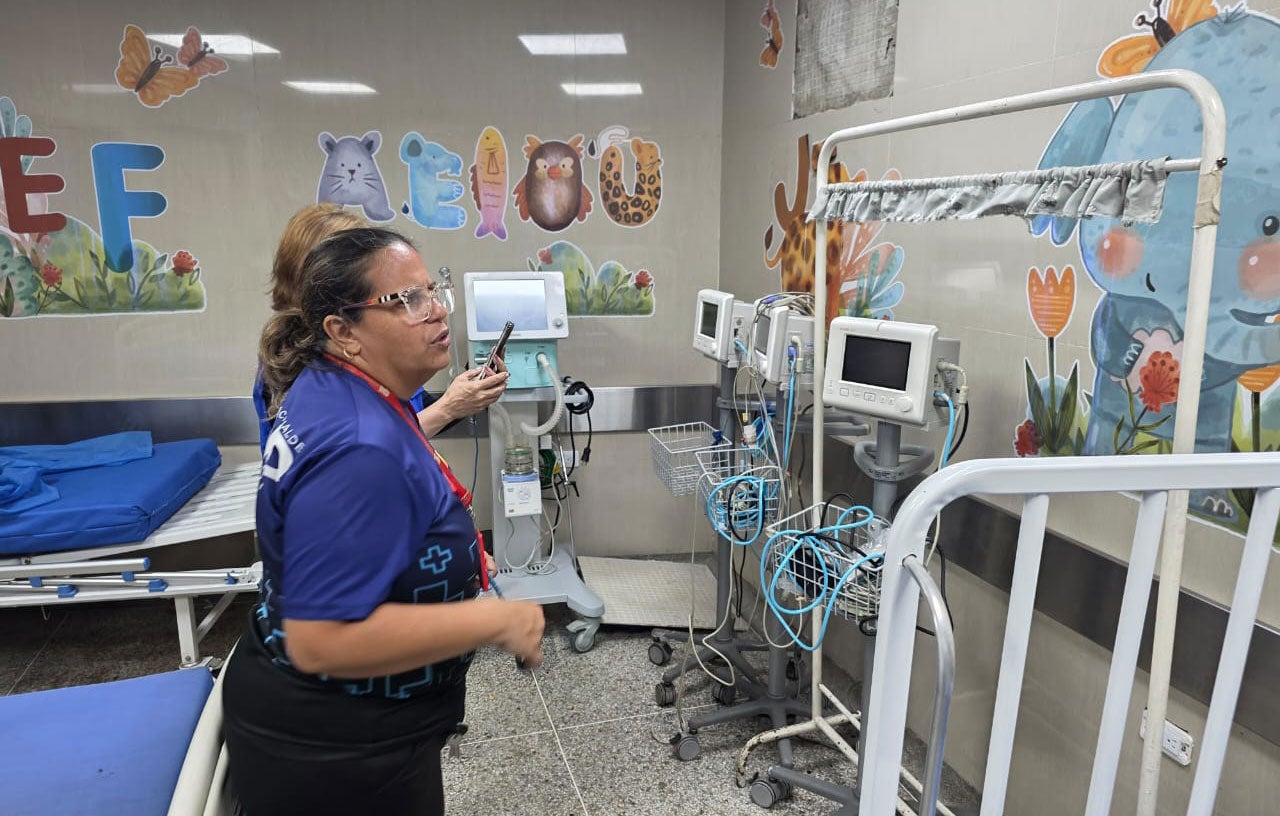
Preliminary assessments also indicate that three health facilities are in critical condition, while six have sustained structural damage or are only partially functional. Hospitals in Caracas, La Guaira and other affected areas continue to operate under extreme pressure as they manage large numbers of trauma patients, with surgical services facing growing backlogs in orthopedics and neurosurgery.
"PAHO stands in solidarity with the people of Venezuela during this difficult time," said PAHO Director Dr. Jarbas Barbosa. "We are working closely with the Ministry of Health to help save lives, restore essential health services, strengthen trauma care, and reduce the risk of disease outbreaks that often follow disasters of this magnitude."
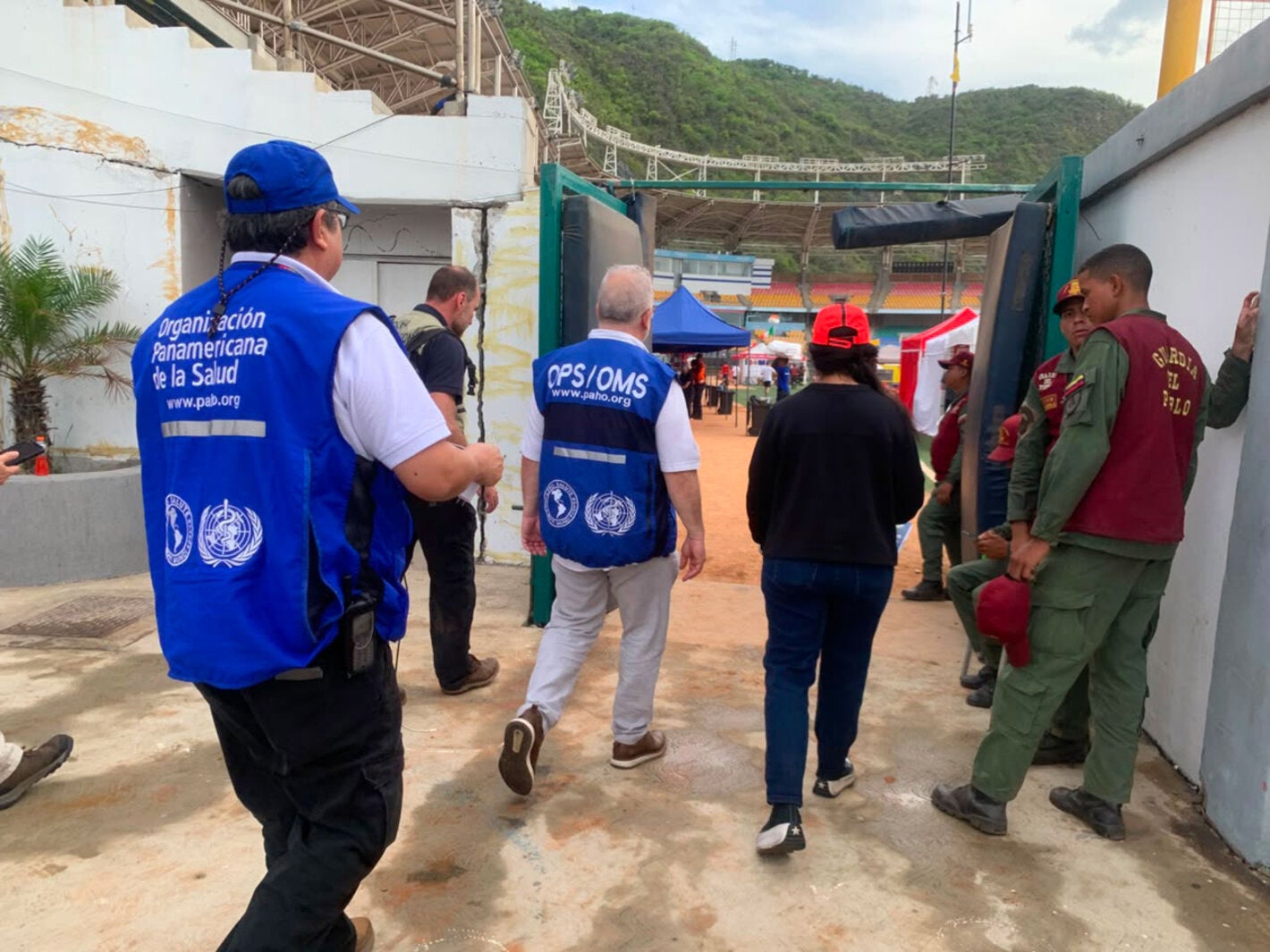
PAHO has activated its Incident Management System and Regional Response Team and deployed specialists in emergency health coordination, hospital safety, trauma care, logistics, water, sanitation and hygiene (WASH), information management, risk communication, and mental health and psychosocial support.
Working alongside the Ministry of Health, Civil Protection and Health Cluster partners, PAHO has completed rapid Emergency Response Evaluation System (ERES) assessments in seven priority hospitals—five in Caracas and two in La Guaira. The assessments identified overcrowded emergency departments, shortages of trauma supplies, disruptions to infection prevention and control measures, and significant pressure on health personnel. They also found that forensic and morgue services have been overwhelmed, while gaps in casualty registration and patient tracking are complicating patient referrals and efforts to reunite families.
Particular concern remains for maternal health services in La Guaira, where several health workers remain missing following the earthquakes, including the official responsible for coordinating maternal care in the area, creating a critical gap in obstetric services.
At the request of the Ministry of Health, PAHO activated the regional Virtual CICOM platform (Medical Coordination and Information Cell) to coordinate offers of international Emergency Medical Teams. One international Type 3 EMT (for complex, in-patient care, including surgery and intensive care) has already arrived in La Guaira, while 38 additional Emergency Medical Teams and Specialized Care Teams remain available for deployment should further international assistance be requested by national authorities.
PAHO has also mobilized emergency health supplies from its Strategic Reserve in Panama. A four-ton shipment containing trauma kits for 10,000 patients, essential medicines, personal protective equipment, water purification supplies for 10 hospitals, shelter equipment and other emergency items is being delivered to support the response. In addition, PAHO has already provided the Ministry of Health with medical-surgical supplies, body bags and technical guidance on mass casualty management.
The Organization is supporting the procurement of additional priority supplies identified by national authorities, including osteosynthesis materials for trauma surgery, intensive care equipment, laboratory reagents, vaccines against measles, yellow fever and tetanus, and WASH supplies for health facilities and temporary shelters.
Beyond the immediate injuries, PAHO is warning of growing public health risks in the coming days and weeks. Damage to health facilities, disruptions to water and sanitation services, and population displacement increase the risk of outbreaks of vaccine-preventable diseases—including measles, diphtheria and pertussis—as well as yellow fever and vector-borne diseases such as dengue, chikungunya, Zika, Oropouche and malaria, several of which are already circulating in the country.
Mental health is another critical priority. PAHO is supporting efforts to expand mental health and psychosocial support services for affected communities, families searching for missing relatives, health workers and first responders who have been working continuously since the earthquakes.
PAHO's geospatial analysis indicates that 91 hospitals are located in areas exposed to strong or very strong ground shaking, affecting municipalities with an estimated 712,223 people. These analyses are helping prioritize field assessments, identify the most vulnerable health facilities, and guide the deployment of emergency resources.
PAHO continues to work closely with the Ministry of Health, Civil Protection, United Nations agencies, Health Cluster partners and the international community to coordinate the health response and ensure that essential health services continue to reach those affected by the disaster.
The Organization is also supporting the coordination of humanitarian assistance from Ministries of Health across the region, in support of health authorities in Venezuela, to better guide offers of aid and focus on identified service needs.
PAHO has called for the responsible use of appeals for donations of medicines and supplies, as it is essential that these have a safe and traceable supply chain.