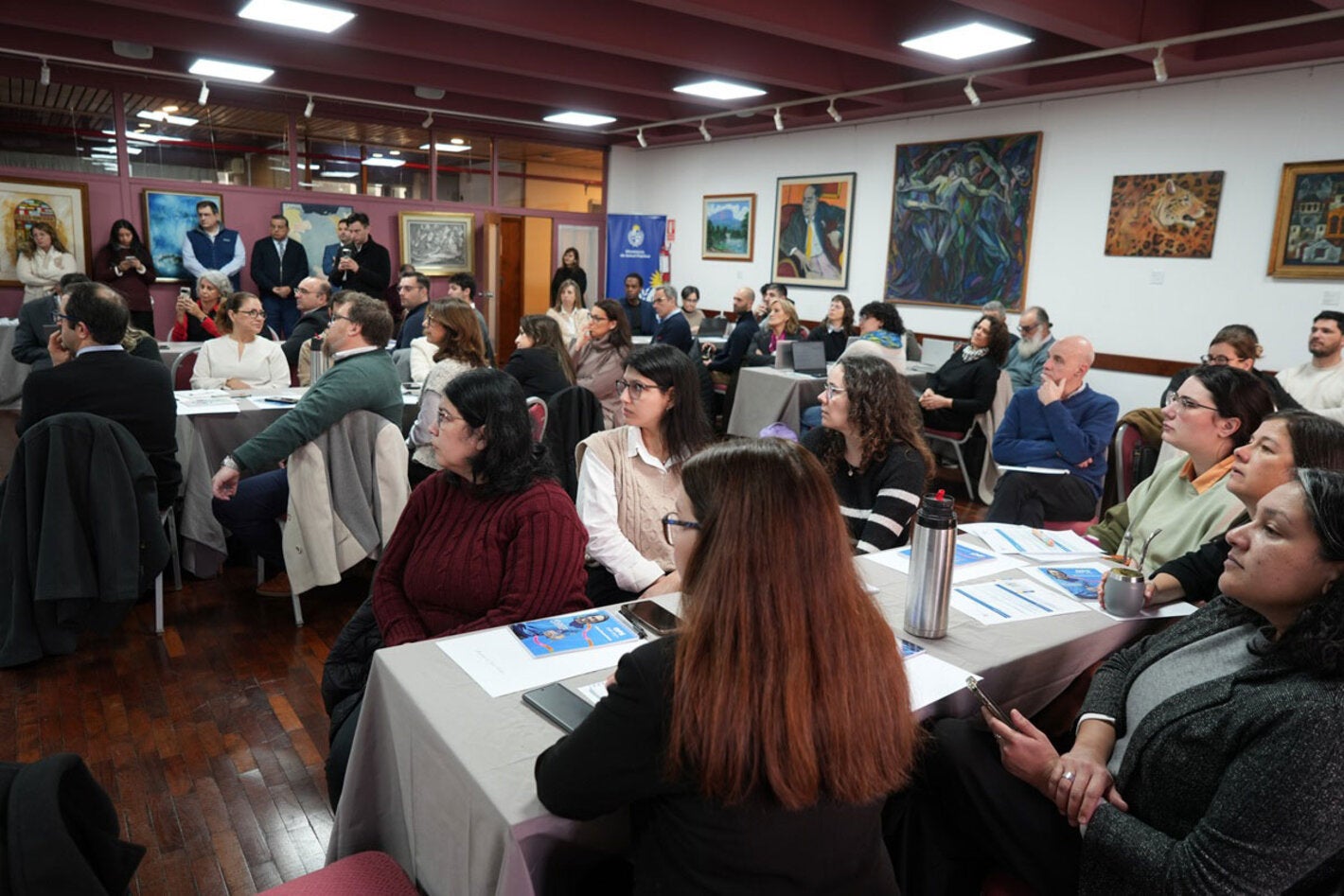
Montevideo, August 28, 2026 (PAHO/WHO) - On August 27 and 28, Uruguay held the "Workshop on the Analysis of National Capacities for the Integration of Artificial Intelligence into Public Health," jointly organized by the Ministry of Public Health (MSP) and the PAHO/WHO Country Office in Uruguay, with the participation of the PAHO/WHO Information Systems and Digital Health Unit in Washington, D.C. The meeting took place in the "Islas Malvinas" room at the headquarters of the Latin American Integration Association (ALADI) in Montevideo.
The workshop responded to a request for technical cooperation from the MSP to PAHO and aimed to apply a tool jointly developed by PAHO and the Inter-American Development Bank (IDB) to assess the maturity of Uruguay's health system in relation to the integration of artificial intelligence into public health decision-making. Based on this collaborative assessment, the process seeks to develop a roadmap that aligns technological innovation with the country's health priorities.
Participants included representatives from the MSP, AGESIC, Uruguay Innova, the Artificial Intelligence Center of Uruguay, public and private comprehensive health care providers within the National Integrated Health System, the State Health Services Administration (ASSE), and the military and police health services; representatives from academia and the Hospital de Clínicas; staff from the PAHO Country Office in Uruguay and PAHO's Evidence and Intelligence for Action in Health (EIH) team; as well as representatives from the IDB, CAF, and other stakeholders in the country's digital ecosystem.
Opening session
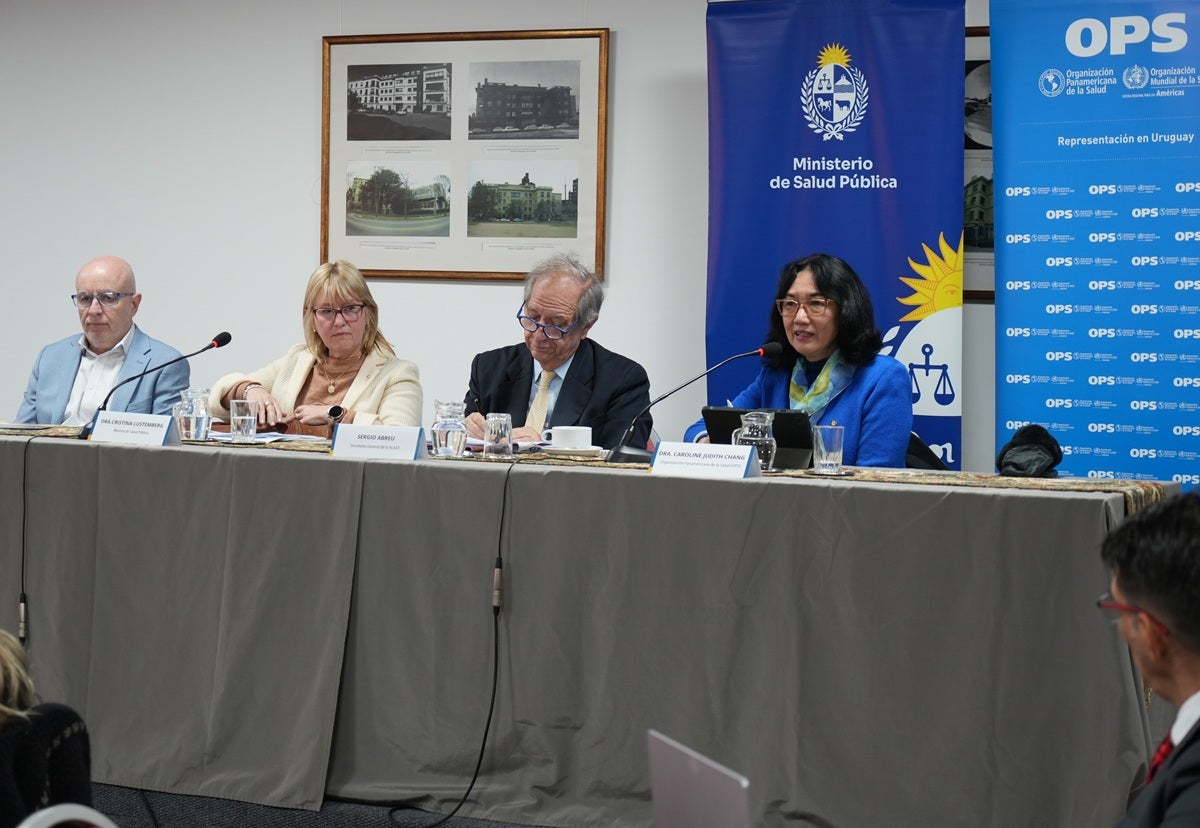
The event was opened by Minister of Public Health Cristina Lustemberg, who noted that artificial intelligence "is now a reality in every field, including health," and emphasized that Uruguay is well positioned in terms of infrastructure and digitalization to move forward with its integration into the health system. The Minister reported that the MSP is developing a national strategy for artificial intelligence in health, conceived as a people-centered public policy instrument aimed at improving the outcomes of the National Integrated Health System.
Among its potential applications, she mentioned support for public policy decision-making, such as detecting outbreaks or simulating scenarios for different health interventions; improving logistics management for medicines and vaccines; managing beds and waiting times; and using intelligent assistants to record clinical data, which would allow health teams to devote more time to direct patient care. She also highlighted the potential of artificial intelligence in processing radiological images for the early detection of diseases. The Minister stressed that this development must be guided by Law No. 18,335 on the rights and obligations of patients and users of health services, as well as current personal data protection regulations, with attention to algorithm validation, explainability, bias mitigation, and information protection.
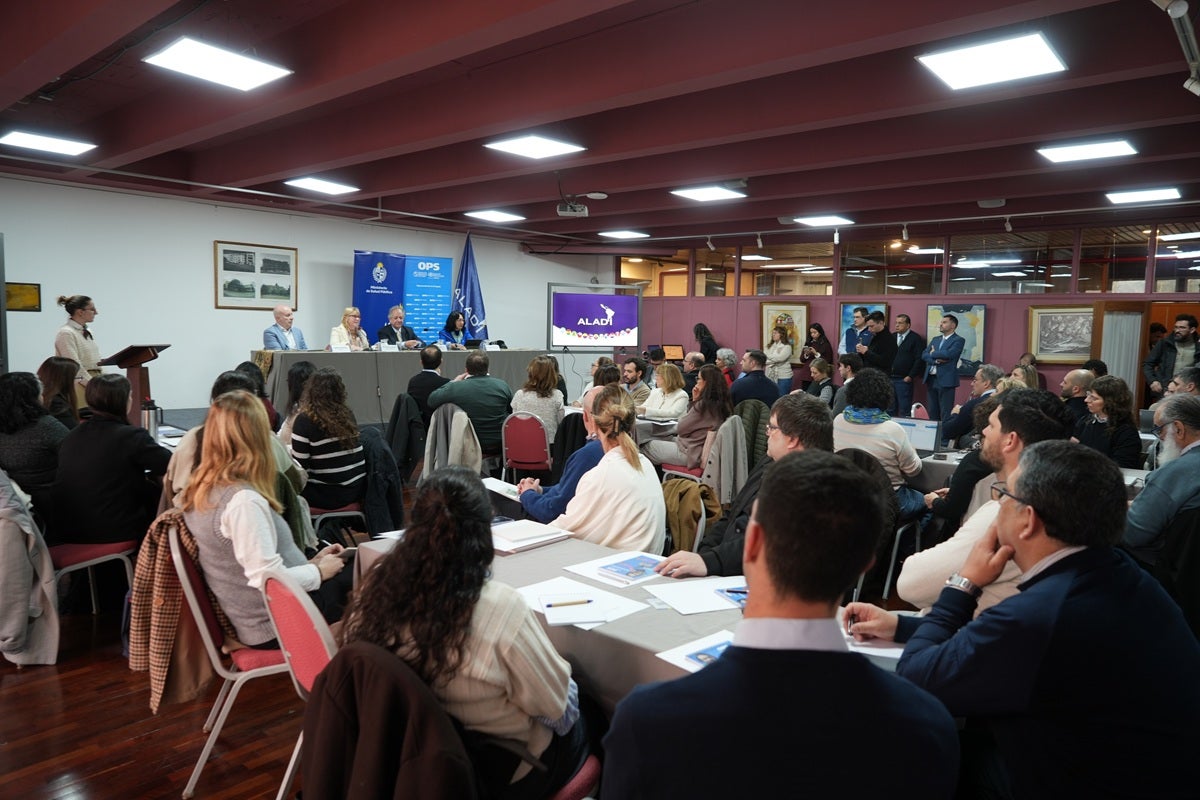
PAHO/WHO Representative in Uruguay Caroline Chang noted that the workshop marks the beginning of a new phase of joint work between the two institutions and responds to a request for technical cooperation from the MSP. Chang outlined three key considerations for the process: the need for information systems that generate quality data to prevent bias in the implementation of artificial intelligence; the importance of ensuring that technology keeps people at the center of care, serving as a tool that supports—rather than replaces—decision-making by health teams; and the need to understand, manage, and regulate the risks associated with these technologies, without fear but with technical and policy guidance. The Representative reaffirmed PAHO's support for Uruguay throughout this process, both through its Country Office and the Organization's Headquarters.
Marcelo D'Agostino, who leads the PAHO/WHO Information Systems and Digital Health Unit, highlighted Uruguay's track record as a regional leader in digital health and recalled that, since the COVID-19 pandemic, the Organization has been working to position artificial intelligence as a priority for health systems in the Region. He noted that this process is being carried out jointly with the Inter-American Development Bank, as part of the technical cooperation that both institutions have been providing in Uruguay in the areas of digital transformation, telehealth, and digital health training.
ALADI Secretary-General Sergio Abreu participated in the opening session and addressed the regional dimension of artificial intelligence applied to health, with particular reference to its impact on integration and equitable access to health services. As an example, he mentioned the development of neural network models aimed at improving the accuracy of risk estimates for patients on transplant waiting lists, with implications for equitable access. He also noted that PAHO has shared its maturity assessment tool for artificial intelligence in health with experts from five countries in the Region.
Next steps
Based on the findings of the assessment conducted during the workshop, the MSP and PAHO will move forward with the development of a national roadmap for integrating artificial intelligence into Uruguay's health system, with continued technical support from the Organization.