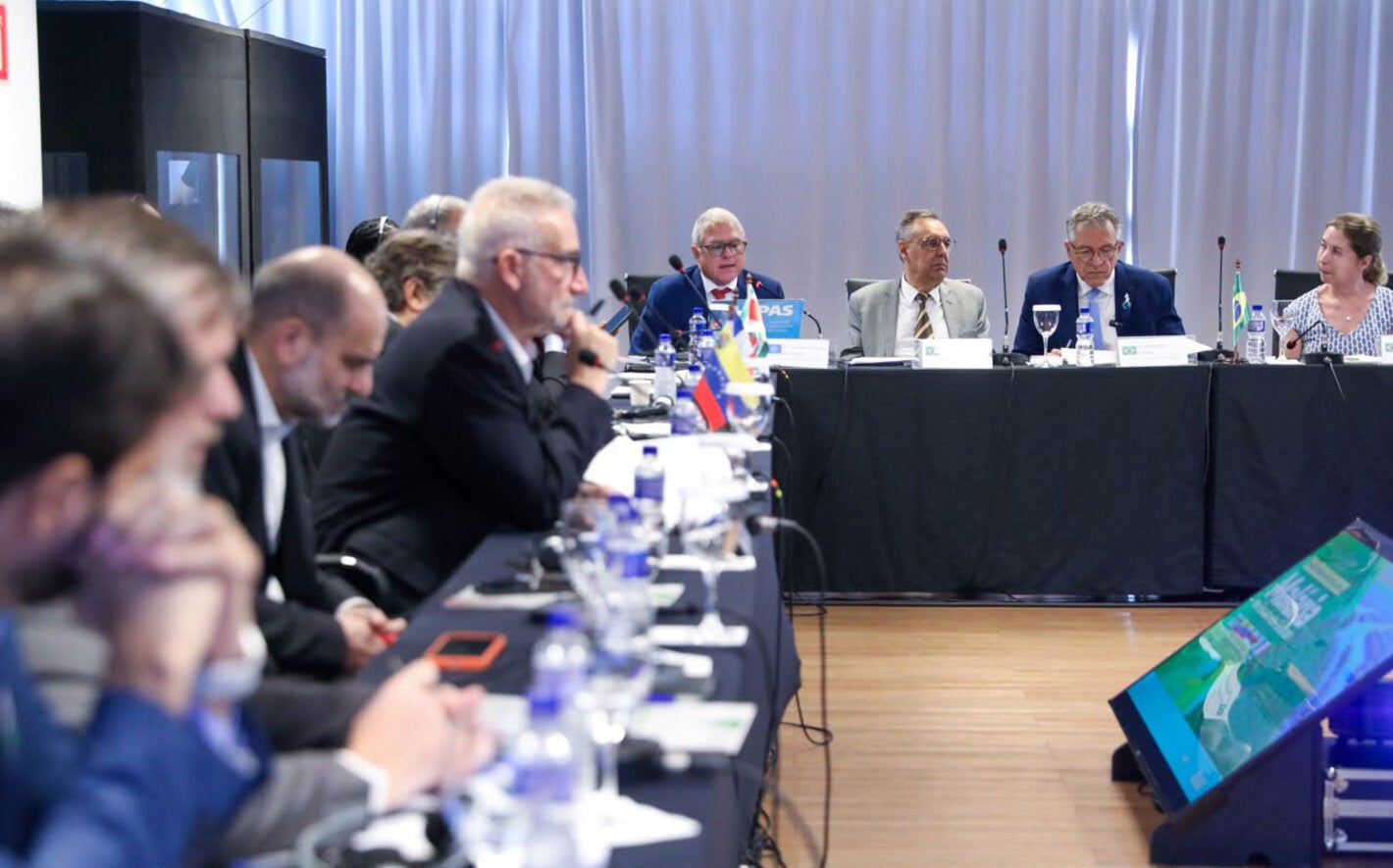
Brasilia, 4 November 2026 (PAHO/WHO) – Delegations from Brazil, Colombia, Guyana, Suriname, and Venezuela participated on Tuesday November, 3 in Brasília in the High-Level Meeting on Malaria Elimination. The meeting aimed to accelerate efforts to eliminate the disease and strengthen cooperation among countries, particularly in border regions.
Opening the meeting, Cristian Morales, Representative of the Pan American Health Organization (PAHO) and the World Health Organization (WHO) in Brazil, emphasized the importance of turning the technical commitments countries have made into a shared political agenda.
“Malaria elimination will not be achieved solely through the sum of national efforts, but through our collective capacity to transform borders into spaces of cooperation, solidarity, and health protection,” he said.
He also stated that “Eliminating malaria is an achievement for each country, but above all, it will be a shared victory for all the Americas”.
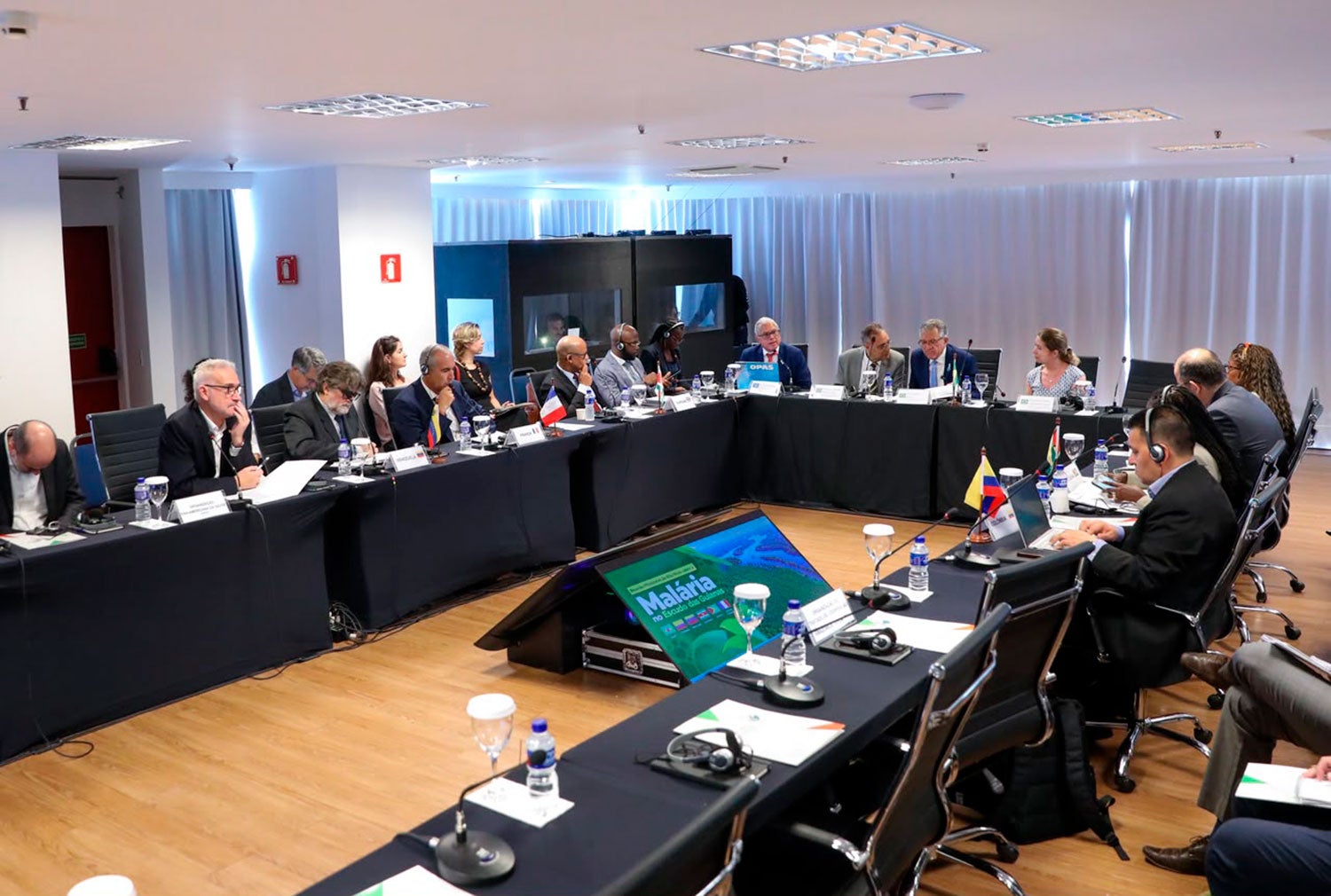
Brazil’s Minister of Health, Alexandre Padilha, highlighted that eliminating malaria requires political commitment, sustained investment, and coordinated action among countries.
“We are here because we share a conviction. Eliminating malaria is possible (...) We need to strengthen epidemiological surveillance, share information, combat drug resistance, invest in new technologies, and expand access to treatment, coordinating our responses in an agile and effective manner.”
The Secretary for Health and Environmental Surveillance of Brazil’s Ministry of Health, Fabiano Pimenta, spoke about Brazil’s progress in combating malaria, noting that 2025 recorded the lowest number of cases in the last 47 years. He also emphasized the importance of cooperation among countries to ensure the sustainability of these achievements.
“I am certain that no public policy can achieve its objectives, and more importantly, sustain the progress achieved, unless we have what we are witnessing here today: the unity of six countries that share common malaria-related challenges despite their cultural, economic, and environmental diversity.”
The Deputy Director of the Brazilian Cooperation Agency (ABC), Ambassador Maria Luiza Ribeiro Lopes, stated that malaria elimination will become part of ABC’s cooperation agenda and will be monitored during meetings among participating countries. “We will incorporate this issue into our respective cooperation agendas in all our meetings to ensure follow-up, and the Brazilian Cooperation Agency will be available to support these efforts.”
Commitment to Malaria Elimination in Border Regions
In 2024, approximately 663,000 malaria cases were estimated in the Americas. This represents an increase of about 16% compared with the previous year. Among the region’s achievements is WHO Suriname´s certification as a malaria-free country in 2025. This result demonstrates that the disease can be eliminated through sustained action, stronger health systems, and cooperation among countries.
The Plan of Action for Malaria Elimination in the Americas 2026–2030 also guides regional efforts, focused on innovation, strengthened surveillance, expanded access to health services, and cooperation among countries.
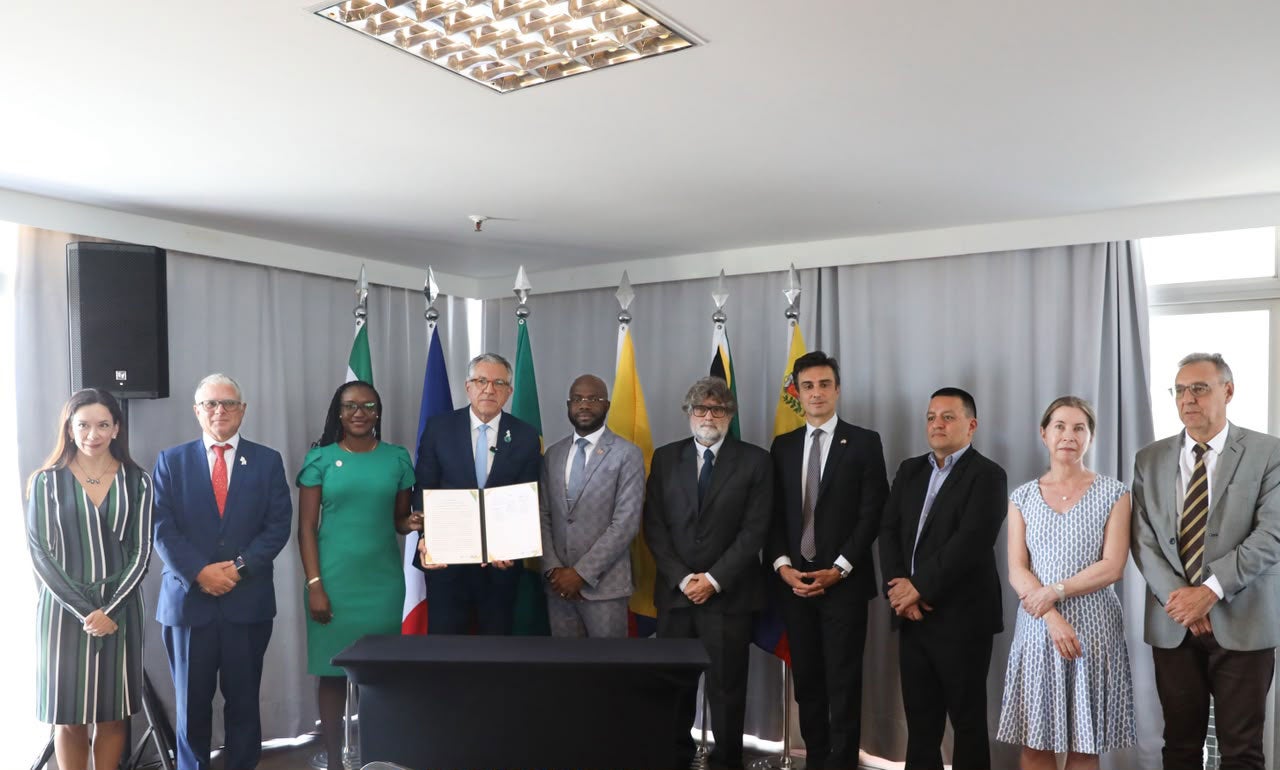
As a result of the High-Level Meeting, participants signed a Letter of Commitment for Malaria Elimination in Border Regions. The document establishes actions to expand access to diagnosis and treatment in hard-to-reach areas, strengthen the timely exchange of epidemiological information, and develop coordinated responses among countries.
Dialogue Among Health Authorities
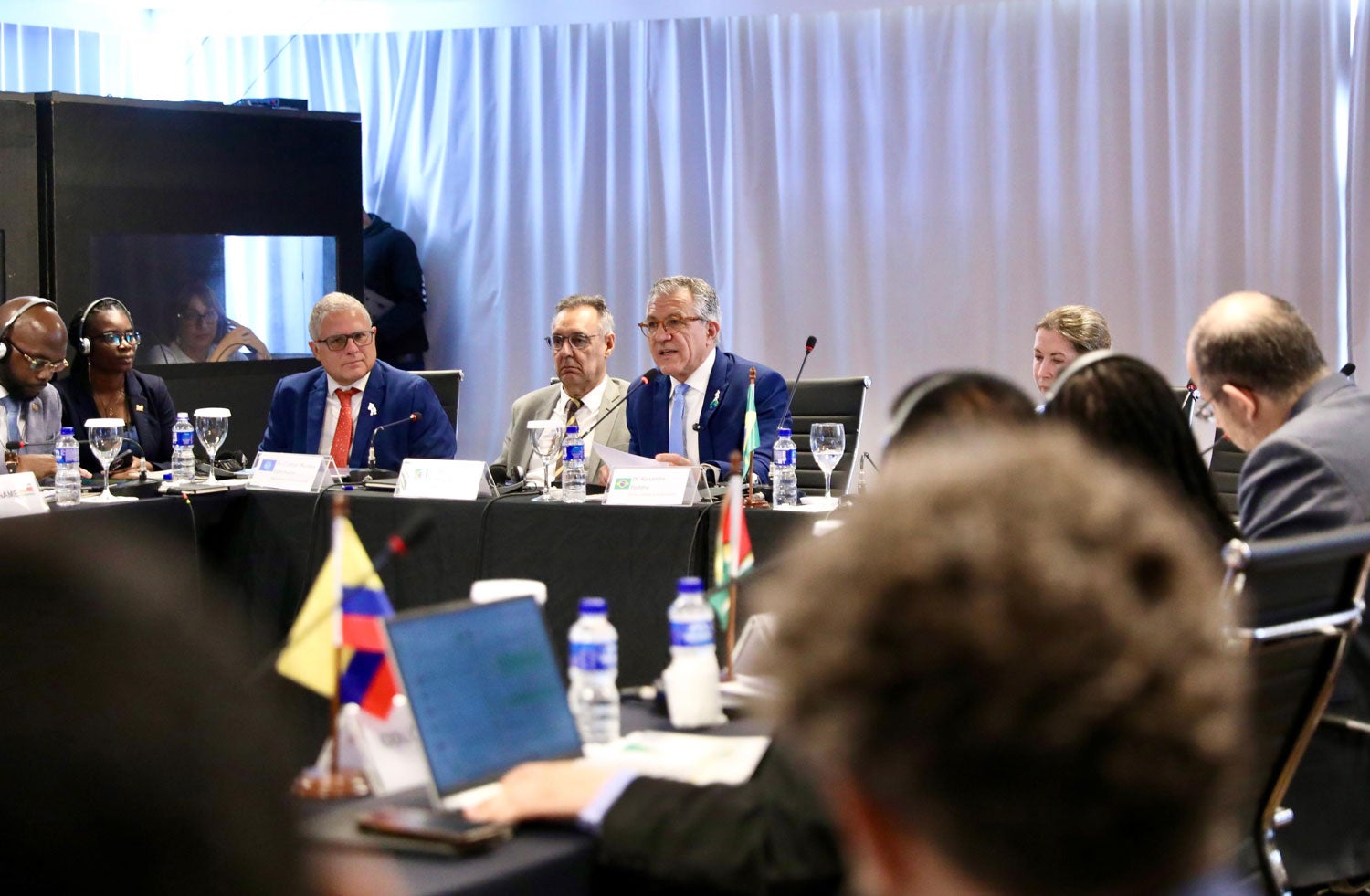
“Malaria elimination is also a commitment to equity. It is not enough to have medicines, protocols, and scientific knowledge available. We must ensure that these resources reach those who need them most, particularly populations facing the greatest barriers to access.” Alexandre Padilha, Brazil Minister of Health.
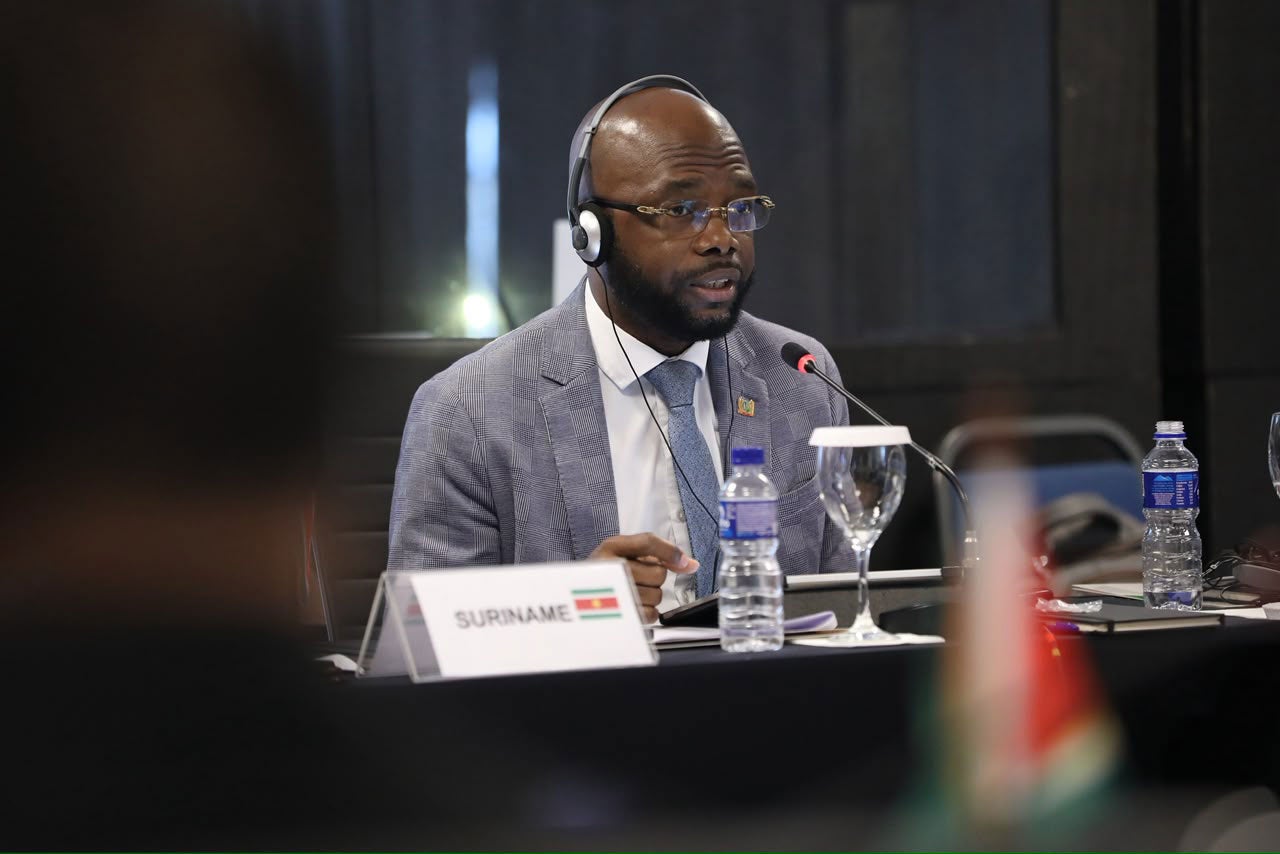
“As long as malaria exists anywhere in the Guiana Shield, there will be a threat throughout the region. We share the same forest, the same river system, and the same mosquito vector (...) Either we win together, or the parasite wins.” André Theodorus Misiekaba, Minister of Health, Welfare and Labor of Suriname.
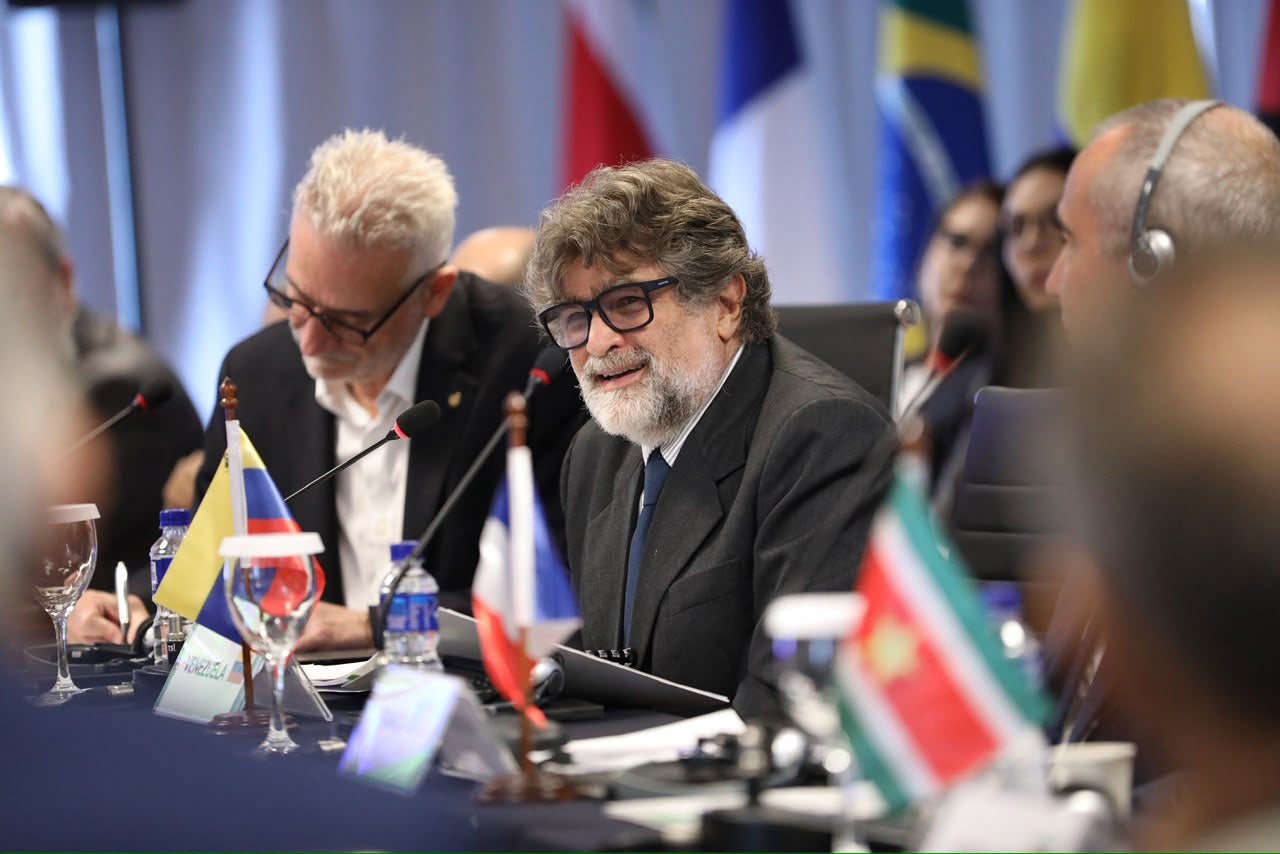
“We believe that community participation is a fundamental element of any malaria control strategy.” Francisco Alejandro Armada Pérez, Representative of the Ministry of Health of Venezuela.
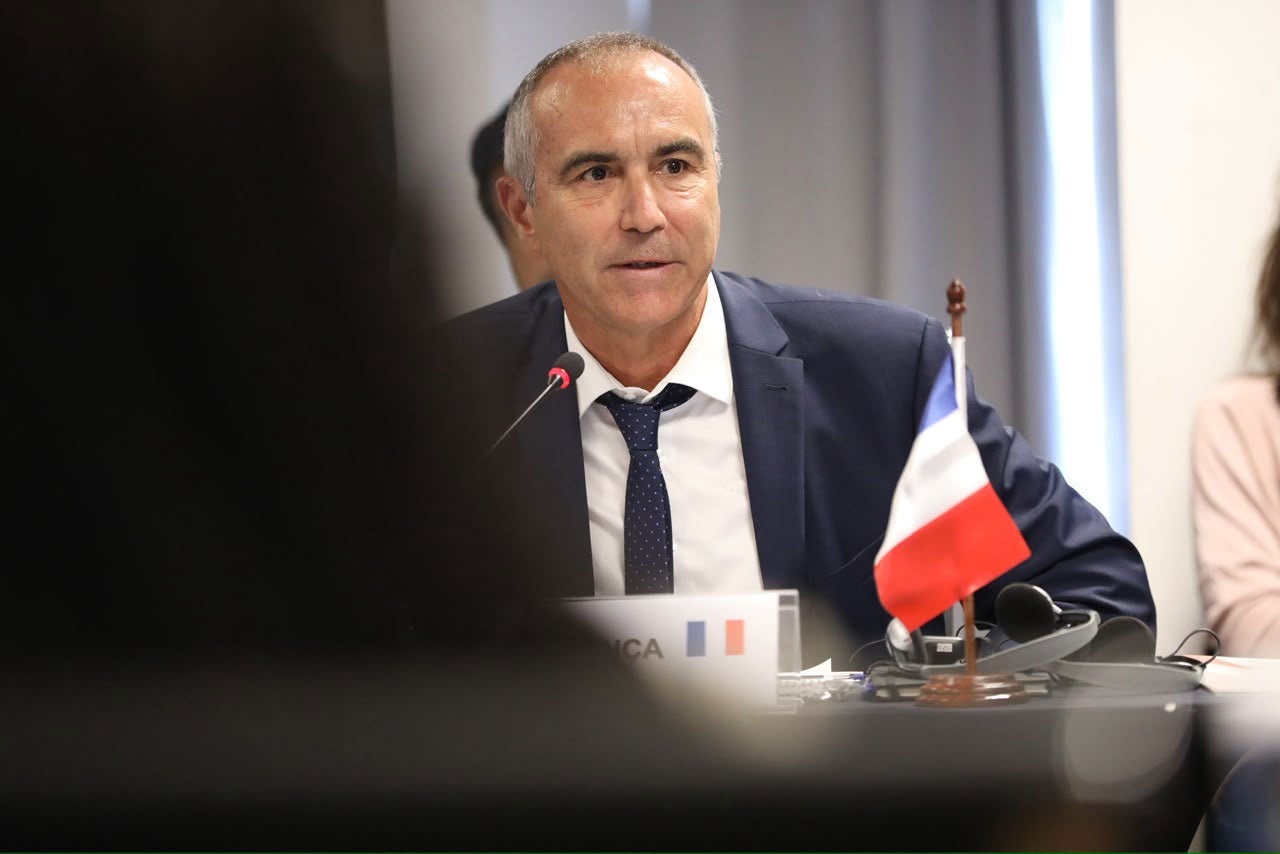
“We have just approved our first malaria elimination plan. I would like to thank the Pan American Health Organization once again for guiding and supporting us in the development and validation of this plan, in collaboration with health professionals in French Guiana.” Manuel Munoz, director of the Regional Health Agency (ARS) of French Guiana.
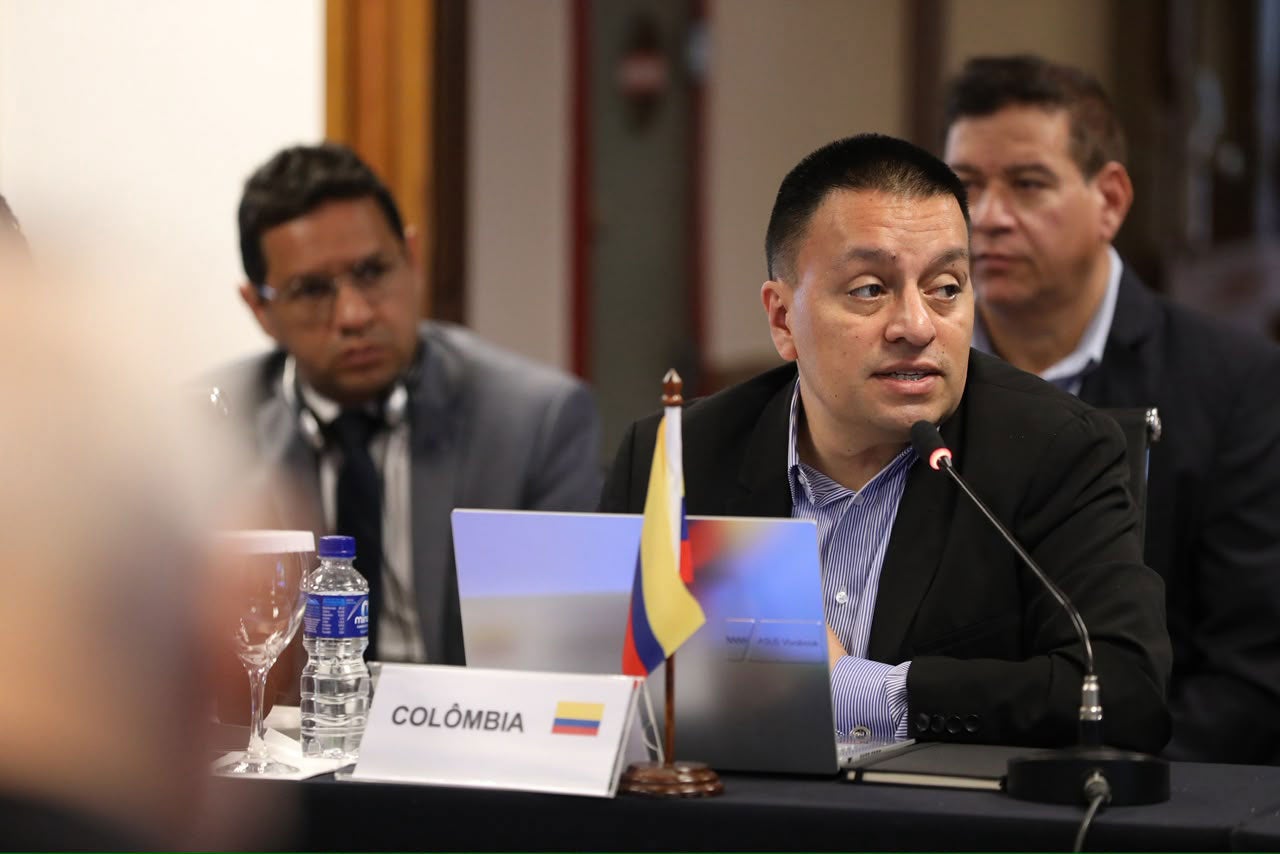
“In Colombia, we would like to highlight the strategy of volunteer collaborators, which is one of the main tools for ensuring timely access to diagnosis and treatment for these dispersed, indigenous, and hard-to-reach communities.” Iván Mauricio Cárdenas Cañón, Colombia’s Minister of Health.
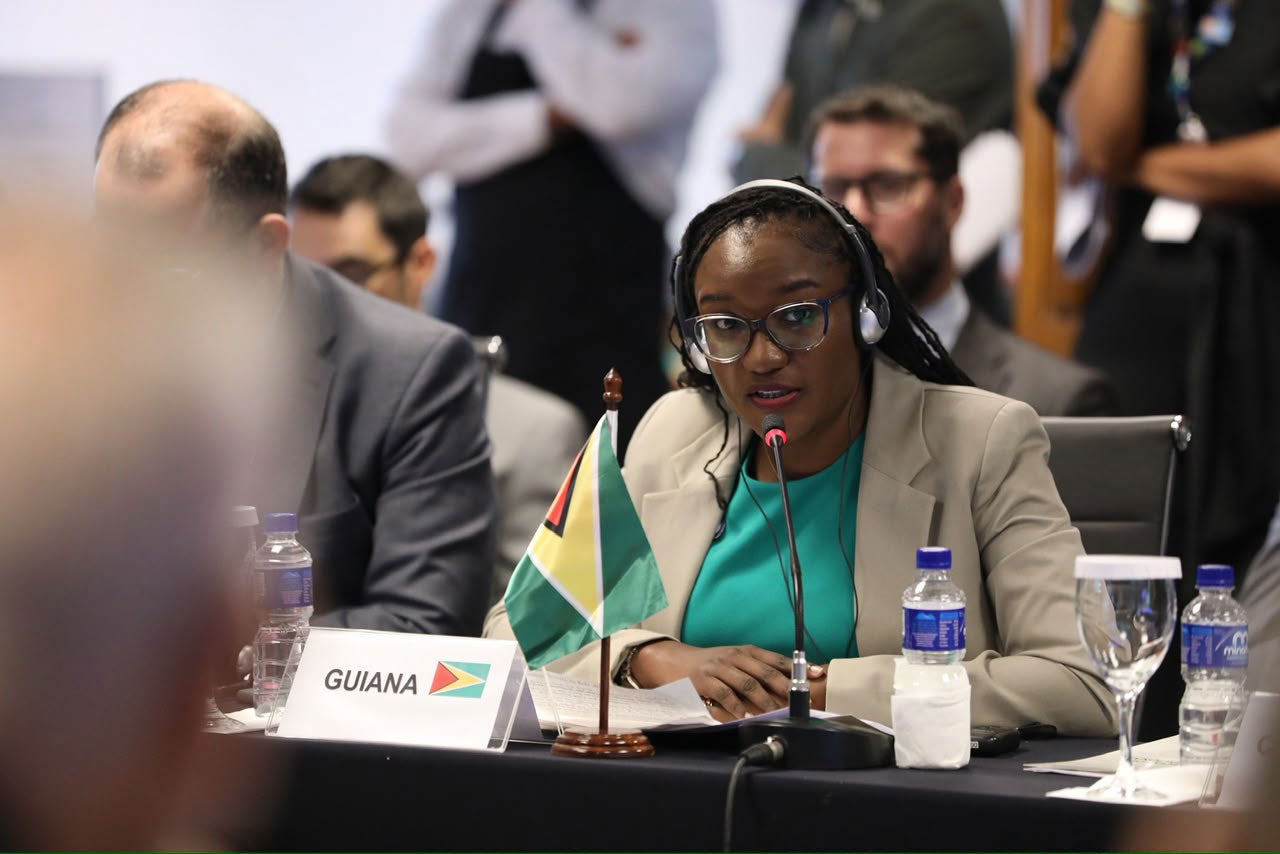
“The declaration [Letter of Commitment] before us today reflects an important transition for us: moving from recognizing that we share a problem, malaria, to accepting that we must also share responsibility for its solution.” Reza Niles-Robin, Director of Vector Control Services of Guyana.