
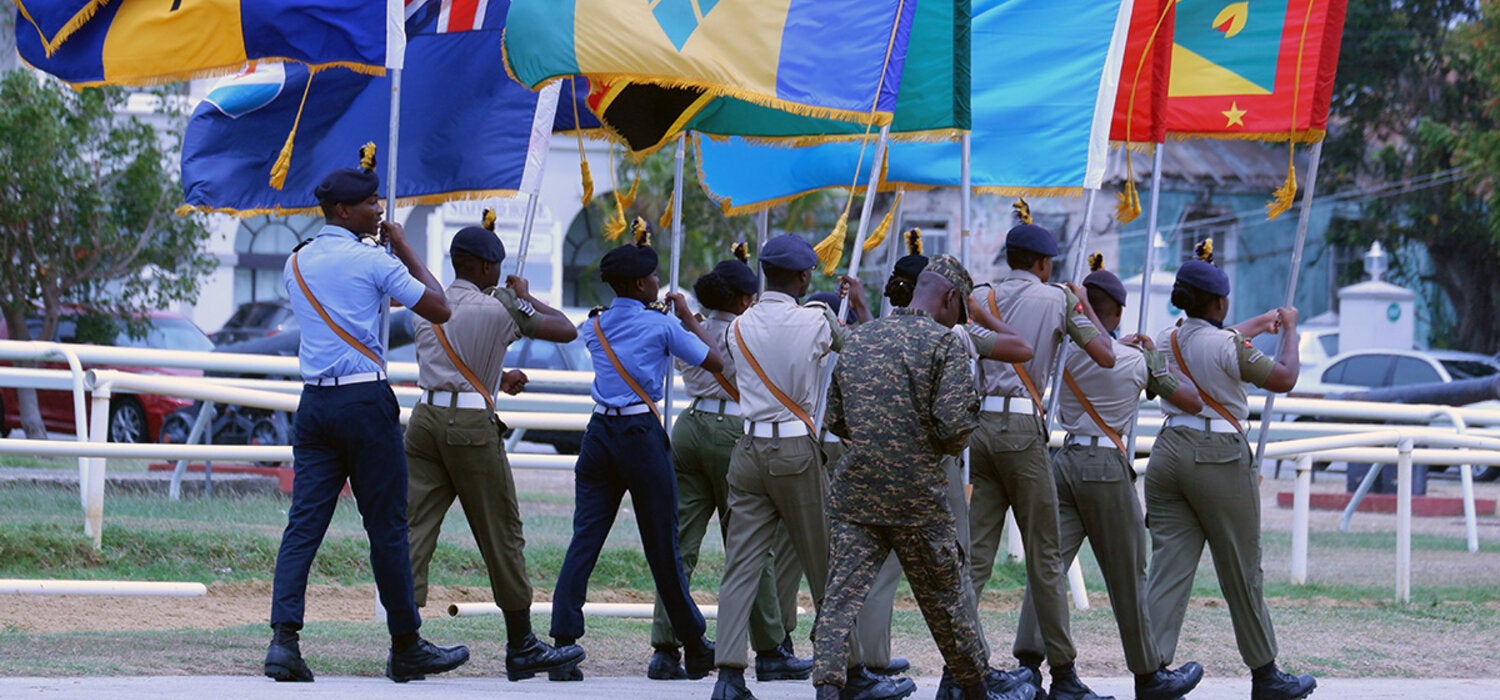
Most Eastern Caribbean Countries share a special bond in public health; many became Member States of the Pan American Health Organization (PAHO) during the month of September and in the 1980s.
This milestone marked the start of an enduring partnership dedicated to protecting and improving the health and wellbeing of our people.
Marking the dates
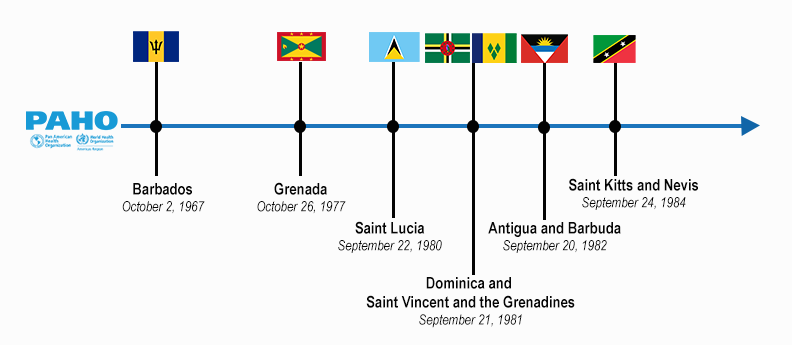
The journey began with Barbados, which became a PAHO Member State on October 2, 1967. Grenada followed on September 26, 1977.
By the early 1980s, a wave of new memberships took place: Saint Lucia on September 22, 1980; Dominica and Saint Vincent and the Grenadines on September 21, 1981; Antigua and Barbuda on September 20, 1982; and finally, Saint Kitts and Nevis on September 24, 1984.
These dates are more than historical footnotes; they represent a collective decision to join a regional health organization committed to equity, excellence, solidarity, respect and integrity. PAHO is the oldest international health organization in the world having been established in 1902.
What membership means
Becoming a PAHO Member State means more than joining an organization. It signifies access to technical expertise, global health initiatives, and the solidarity of 42 countries and territories actively involved in PAHO’s governance and programming framework across the Americas, all working toward healthier populations.
Since joining, each nation has benefited from PAHO’s support in strengthening health systems, advancing disease prevention, improving maternal and child health, and preparing for public health emergencies.
Impact across the Eastern Caribbean
Over the decades, PAHO has worked alongside ministries of health to respond to changing health needs, build capacity, and introduce innovative programs.
As we reflect during this September month of shared anniversaries, we highlight some notable achievements that have shaped and will continue to shape the health and wellbeing of the people of Barbados and the Eastern Caribbean Countries (ECC):
A Milestone in Primary Health Care
One of the defining achievements for Barbados and the Eastern Caribbean Countries as PAHO Member States was their endorsement of the Alma-Ata Declaration on Primary Health Care in 1978. This landmark commitment reshaped health systems, placing people and communities at the centre of care. In Barbados, this vision took root through the network of polyclinics, while in the Eastern Caribbean, investments in district hospitals, health centres, and outreach programmes brought care closer to families. This foundation paved the way for many health accomplishments in the countries.
Elimination of Vaccine-Preventable Diseases
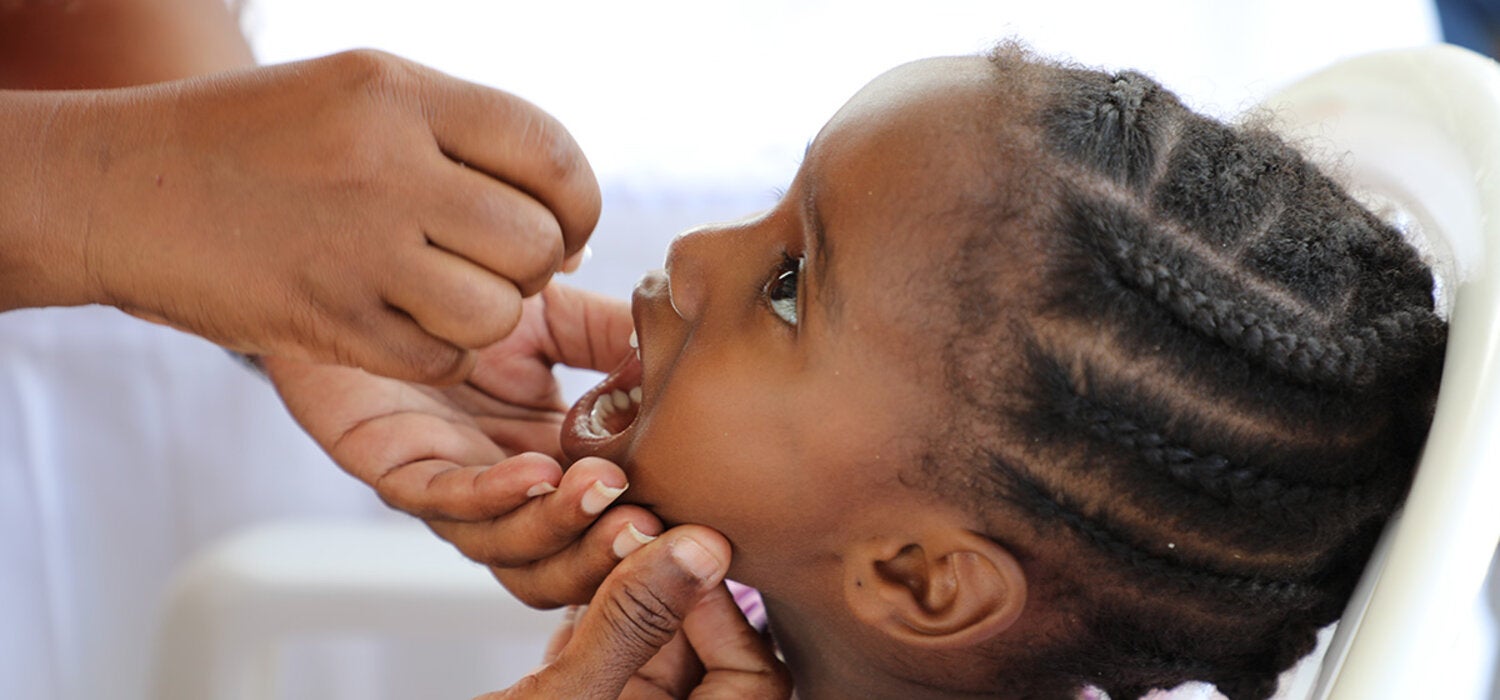
Barbados and the Eastern Caribbean have been at the forefront of eliminating diseases through strong immunization programmes. Working with PAHO, it was the first subregion in the world to achieve:
- Polio elimination in 1982 - one of the earliest global successes.
- Measles elimination in 1991 - protecting children from a once-deadly disease.
- Diphtheria elimination in 1995 - reflecting strengthened routine immunization.
- Congenital Rubella Syndrome elimination in 1999 - ensuring healthier beginnings for newborns.
- Rubella elimination in 2000 - a major step in protecting families and communities.
Resilient vaccination coverage post-pandemic
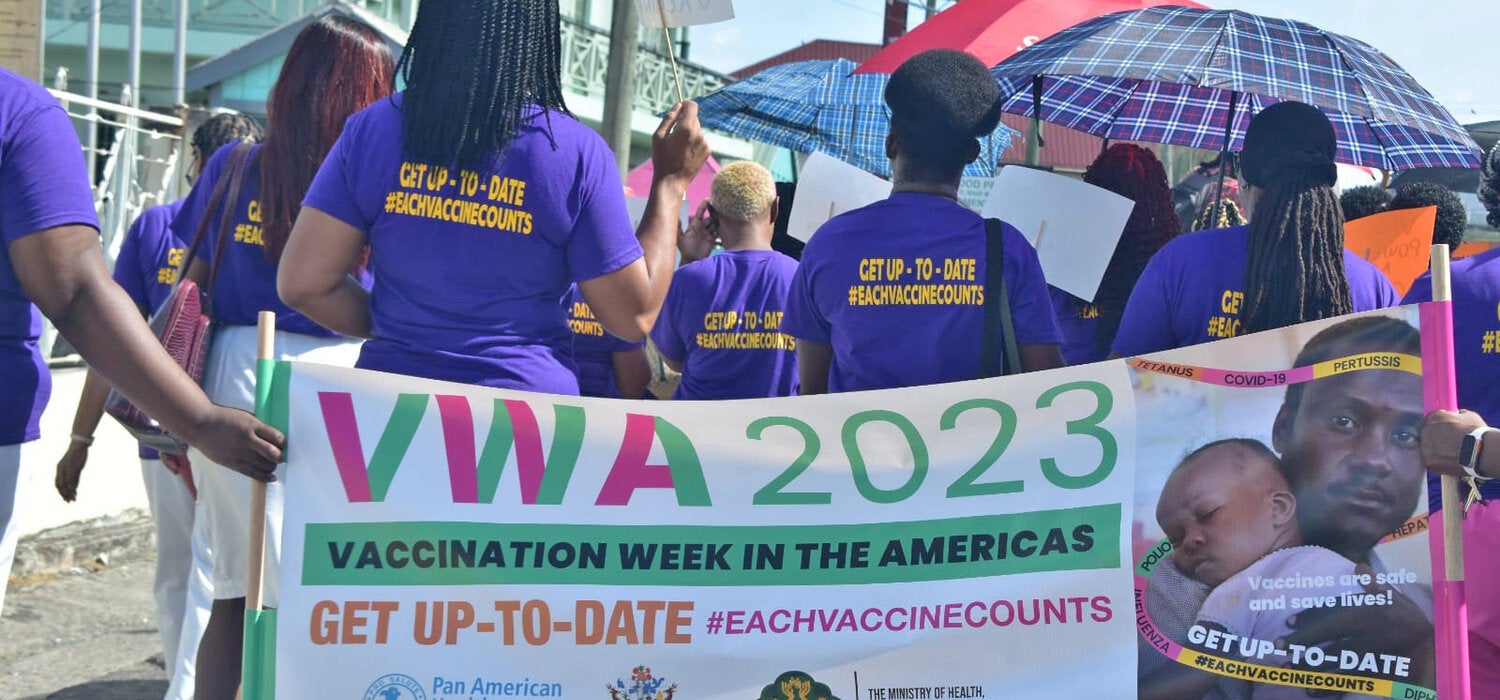
Barbados and the ECC continue to make strides in immunization. In 2023, Antigua and Barbuda and Saint Kitts and Nevis stood out globally helping make the Region of the Americas the only World Health Organization (WHO) region to exceed pre-pandemic vaccination coverage levels from 2019. This achievement was announced in 2024.
Elimination of mother-to-child transmission of HIV and syphilis
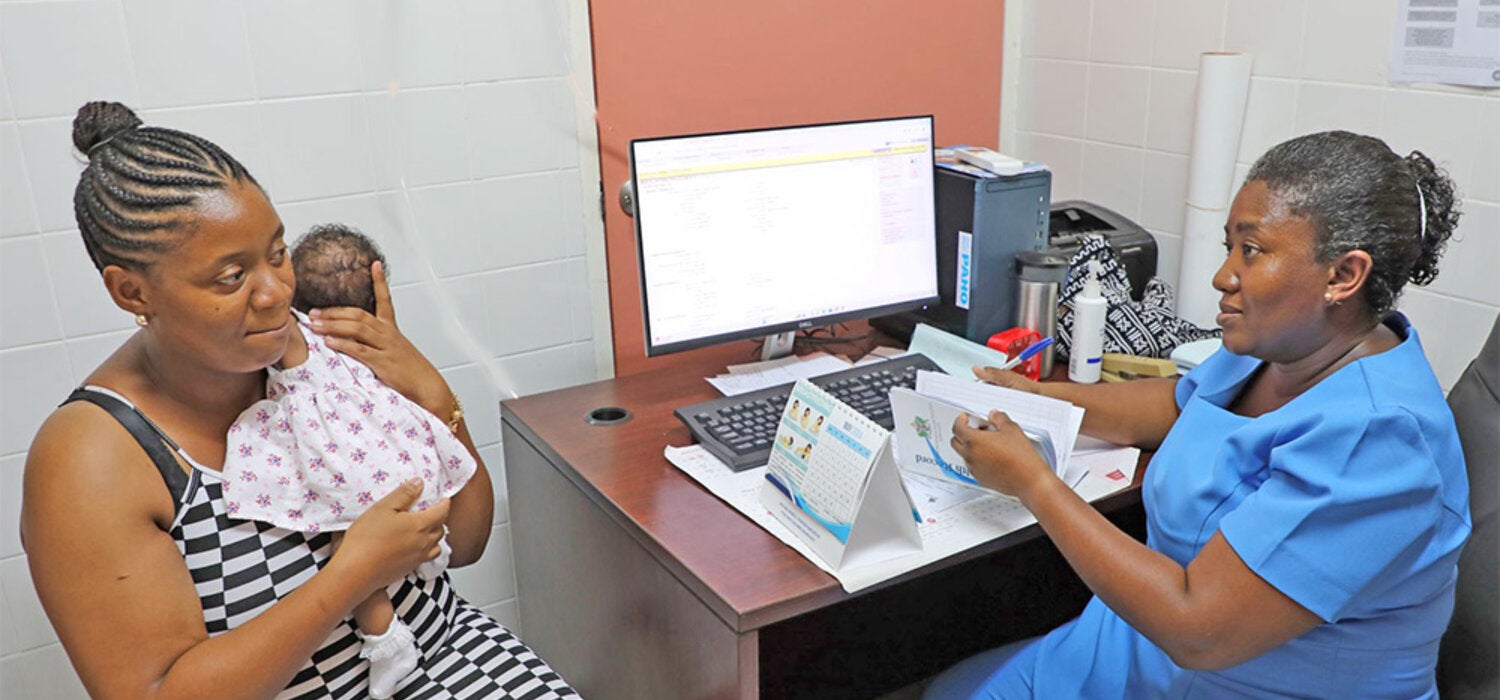
Several ECC countries have achieved this historic public health milestone. In 2017, Anguilla, Antigua and Barbuda, Montserrat, and Saint Kitts and Nevis were certified by WHO. Dominica followed in 2021, and in 2024, Saint Vincent and the Grenadines was recognized for the dual elimination of HIV and syphilis. These achievements have been life-changing for mothers, children, and families.
Strengthened laboratory capacity for health emergencies
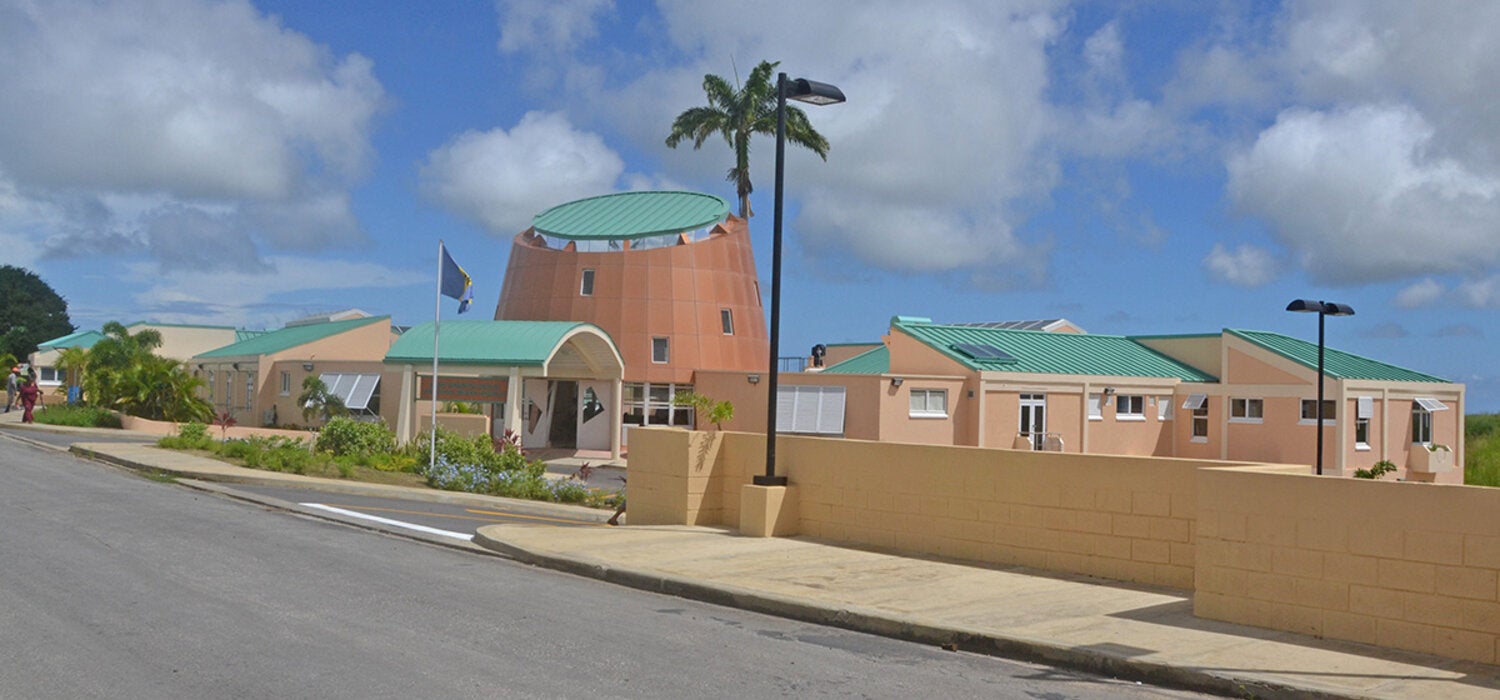
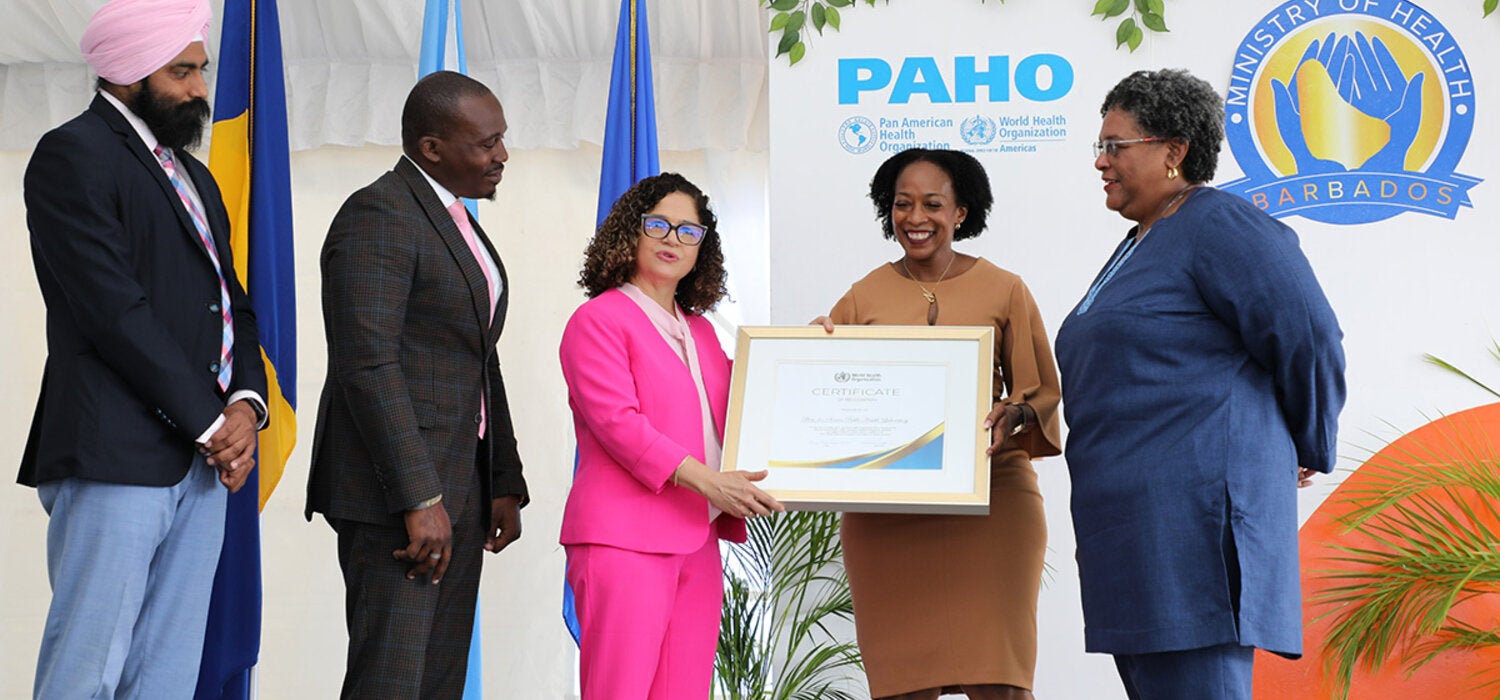
The COVID-19 pandemic accelerated investments in laboratory infrastructure and training with the support of PAHO, enabling countries to detect and respond more effectively to emerging health threats. On April 8, 2024, the World Health Organization officially recognized the Best-dos Santos Public Health Laboratory in Barbados as a National Influenza Centre (NIC), a historic moment for the country and the region.
Noncommunicable Disease (NCD) and Mental Health Response
Barbados and the Eastern Caribbean Countries were early movers in tackling NCDs such as diabetes, hypertension, and cardiovascular disease, introducing policies on tobacco control, healthy diets, and physical activity.
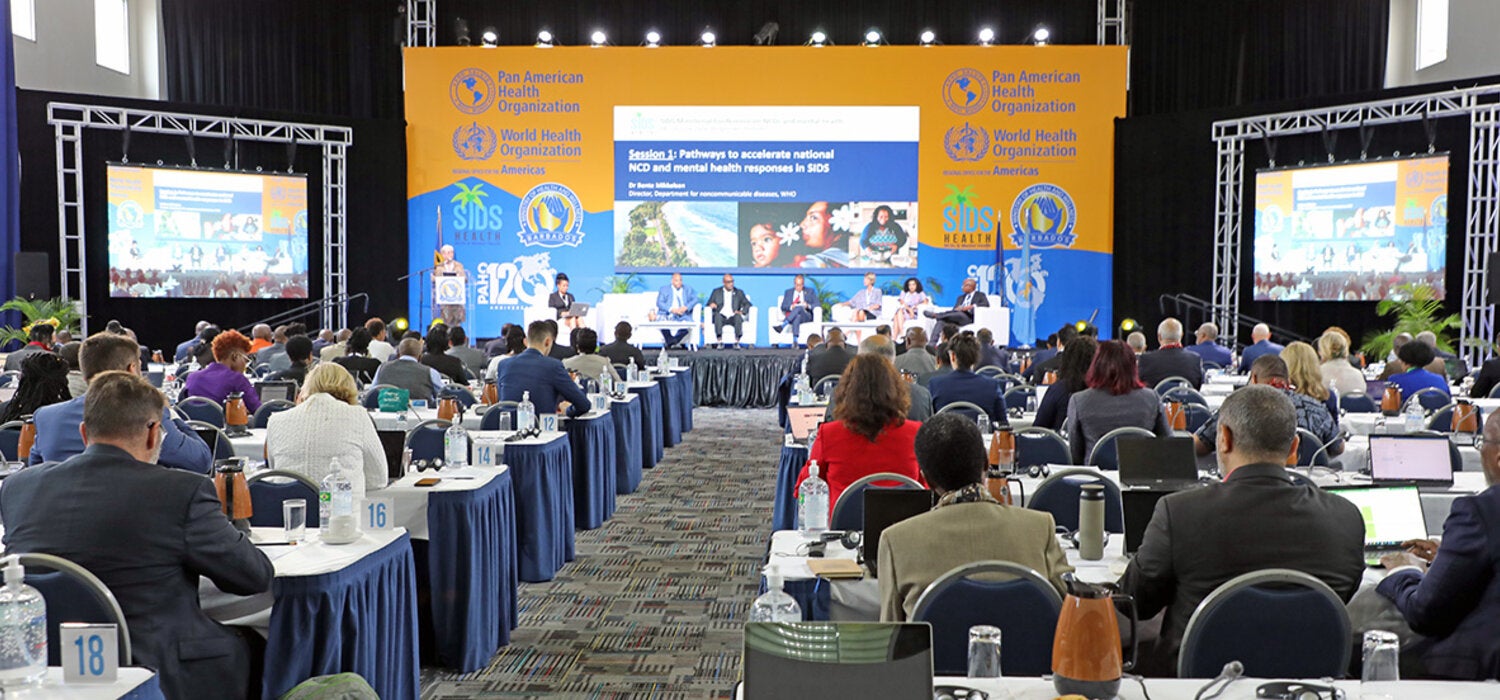
Leadership on this front reached the global stage in 2023, when Barbados hosted the Small Island Developing States (SIDS) Ministerial Conference on NCDs and Mental Health, followed by a high-level side event at the 2024 SIDS Global Conference in Antigua and Barbuda. These milestones underscore the Caribbean’s pivotal role in shaping the international health agenda for Small Island Developing States.
The Pandemic Fund Project
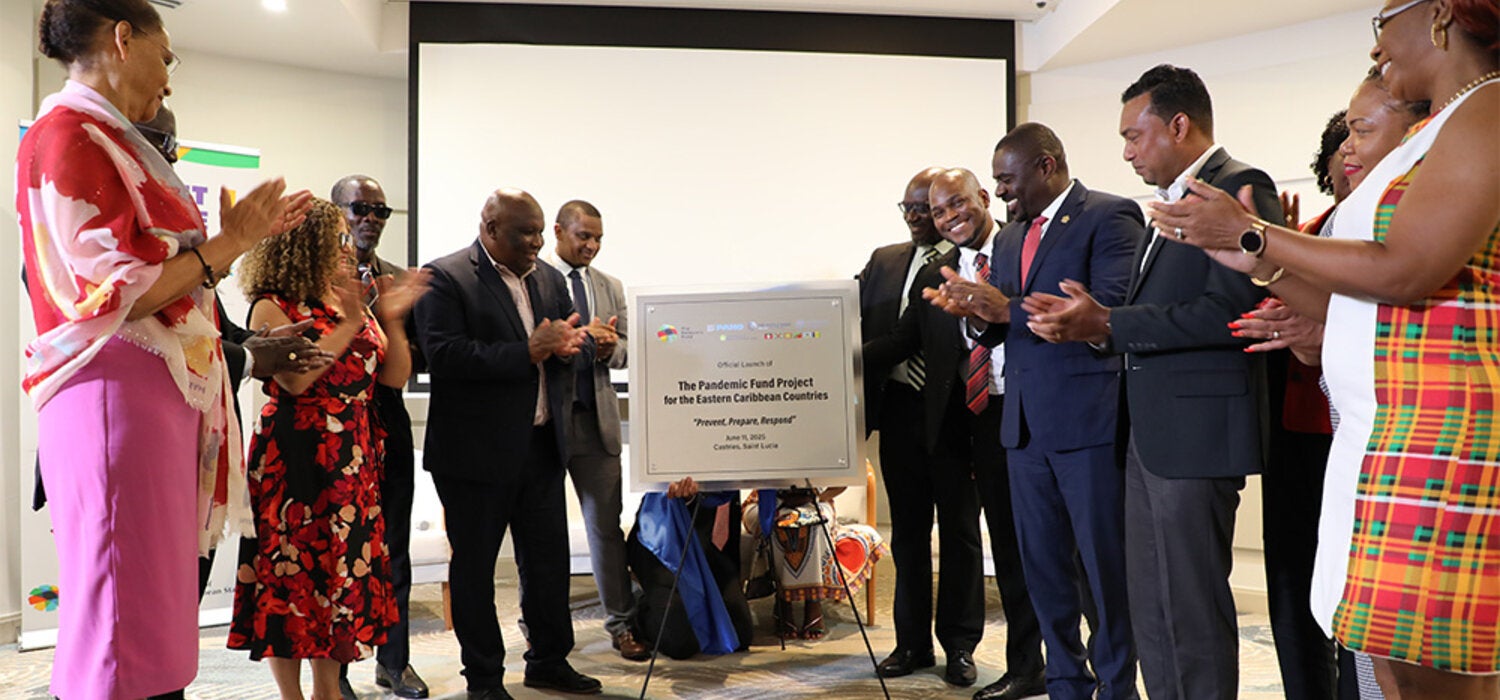
Most recently, in June 2025, the Pandemic Fund Project for the Eastern Caribbean Countries was launched, representing a significant step toward strengthening prevention, preparedness, and response to emerging health threats. Using the One Health approach, human and animal health experts are collaborating, sharing resources and knowledge toward a common goal. Submitted jointly by PAHO/WHO, Food and Agriculture Organization of the United Nations (FAO), and the World Bank on behalf of the six independent Organisation of Eastern Caribbean States (OECS) Member States, the multi-country project is funded through the Pandemic Fund.
Dedication, collaboration the only way
“PAHO’s commitment to the health of the people in Barbados and the Eastern Caribbean remains unwavering. These anniversaries remind us of how far we’ve come together, and how much more we can achieve,” said PAHO/WHO Representative for Barbados and the Eastern Caribbean Countries, Dr. Amalia Del Riego. She commends member states on the gains that have been made, highlighting the many dedicated healthcare workers in the region, without their commitment, progress in public health would not be a reality.
Looking ahead
As these anniversaries are marked, they serve as a reminder of the power of partnership in advancing public health. The shared membership month is a symbol of unity, progress, and resilience.
PAHO remains committed to working hand in hand with the Ministries of Health to ensure that everyone in Barbados and the Eastern Caribbean can live healthier, longer, and more fulfilling lives.