Meningitis is an inflammation of the membranes that surround the brain and spinal cord. It can be caused by various microorganisms, but viral and bacterial meningitis are the most common. Bacterial meningitis is the most serious form and is transmitted from person to person through respiratory droplets, close contact, or, in some cases, during pregnancy or childbirth.

This is one of the +30 diseases and conditions included in the Elimination Initiative and targeted for elimination in the Region of the Americas by 2030.
- Bacterial meningitis is a medical emergency: it can cause death within hours without treatment.
- In 2021, meningitis caused 213,962 deaths worldwide; almost half were children under 5. In the Region of the Americas, there were an estimated 5,000 deaths from meningitis in 2021; one-third were children under 5.
- Approximately 1 in 4 bacterial meningitis survivors can suffer permanent sequelae: loss of limb(s), deafness, nervous system problems, and brain damage. The most frequent is sensorineural hearing loss. Other important sequelae are language disorders, intellectual impairments, motor abnormalities, seizures, and visual disorders. Sequelae are more frequent in meningitis caused by pneumococcus.
- Survivors and their families face huge financial and emotional burdens from rehabilitation and loss of independence.
- Meningococcal epidemics can overwhelm health systems within weeks.
- In crowded settings (schools, refugee camps, military barracks), outbreaks spread rapidly.
- Humanitarian emergencies and fragile health systems are at greatest risk.
More information: Standard case definitions of acute bacterial meningitis and invasive meningococcal disease for routine and outbreak surveillance (2025)
- Vaccines exist against the three major bacterial causes of meningitis:
- Haemophilus influenzae type b (Hib) – All countries and territories in the Region of the Americas have introduced the Hib vaccine.
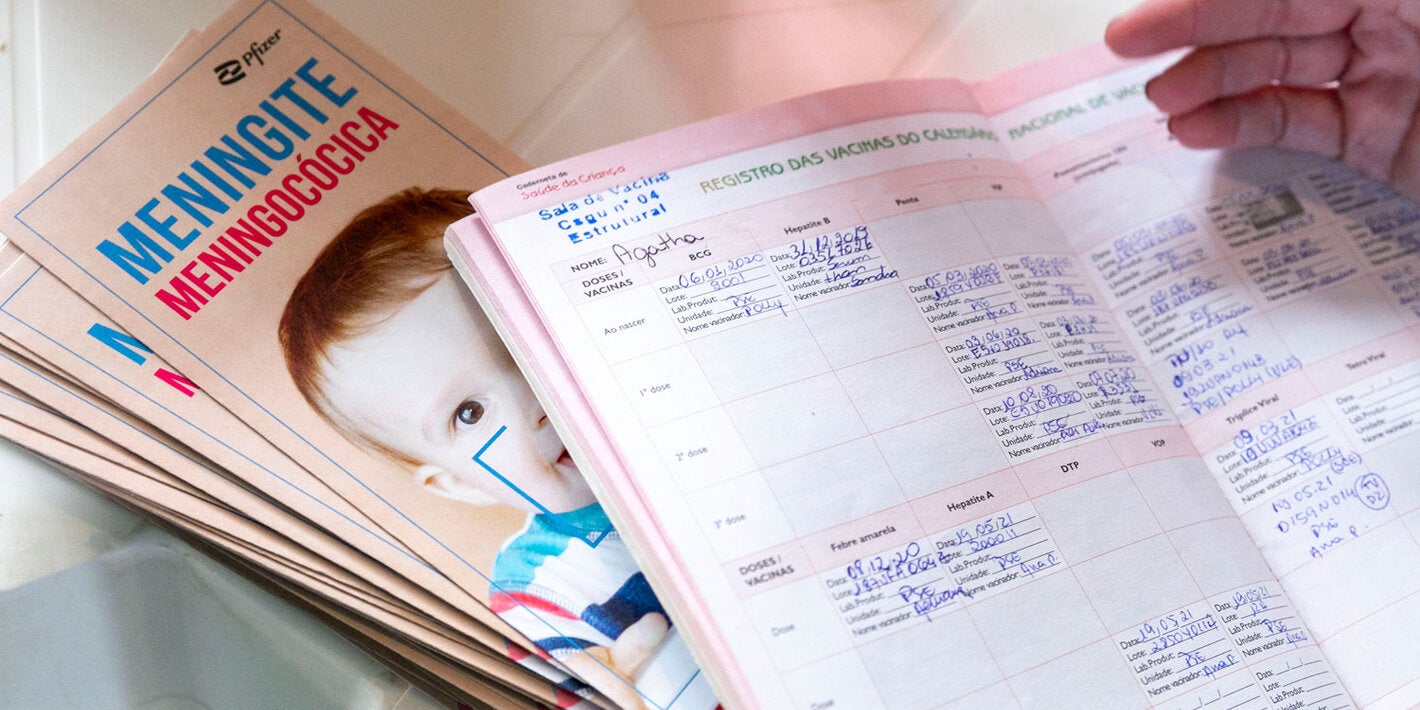
- Streptococcus pneumoniae (pneumococcus): conjugate vaccines with 10, 13, 15, 20, and 21 serotypes, plus 23-valent polysaccharide. As of December 2024, 38 of the countries and territories in the Americas have introduced a pneumococcal vaccine into the routine Expanded Program on Immunization.
- Neisseria meningitidis (meningococcus): serogroup-specific (A, B, C), quadrivalent (ACWY), pentavalent (ACWYX, ABCWY). As of July 2025, seven countries in the Region use a meningococcal vaccine: Argentina, Brazil, Canada, Chile, Cuba, the United States and Uruguay.
- Group B Streptococcus (GBS): no vaccine is currently available. Prevention relies on maternal screening and intrapartum antibiotics. A vaccine to prevent GBS infection in newborns is under development. It is designed to target the six most common serotypes of GBS and is intended to be administered to pregnant women during the third trimester.
- Listeria monocytogenes: no vaccine is available. Food safety measures are key for prevention, especially in pregnant women, newborns, older adults, and people with weakened immunity. Recommendations include avoiding unpasteurized dairy products, refrigerated smoked seafood, and ready-to-eat deli meats unless reheated until steaming hot.
- The PAHO Revolving Fund offers conjugate vaccines against pneumococcus 10, 13, and 20 (PCV) and 23 polysaccharide (PPV23). It offers the conjugate vaccine against Hib together with diphtheria, pertussis, and tetanus (quadrivalent); associated with hepatitis B (pentavalent); associated with diphtheria, acellular pertussis, tetanus, inactivated poliomyelitis (pentavalent acellular); and with all five of the latter plus hepatitis B (hexavalent acellular). It also offers the quadrivalent ACWY conjugate meningococcal vaccine and the pentavalent ACWYX conjugate vaccine.
- However, the greatest challenge is to achieve coverage of >95% in target populations: More information.
- Bacterial Meningitis is one of the +30 diseases and conditions included in PAHO's Disease Elimination Initiative and targeted for elimination in the Region of the Americas by 2030
- The WHO Roadmap to 2030 sets three clear global goals:
- Eliminate meningitis epidemics.
- Reduce vaccine-preventable cases by 50% and deaths by 70%.
- Reduce disability and improve quality of life for survivors.
- Every country in the Americas has already introduced Hib vaccine; most have pneumococcal vaccines; 7 have meningococcal vaccines – progress is real, but uneven.
- Turning the Road Map into reality could eliminate bacterial meningitis epidemics, reduce disability and improve aftercare for everyone – ultimately saving over 920,000 lives by 2030.
- According to the World Health Organization, improving prevention, diagnosis and treatment for meningitis could save up to $10 billion in direct healthcare costs by 2030.
- The roadmap organizes action across five interconnected pillars:
- Prevention and epidemic control: through vaccination, outbreak response, and maternal strategies.
- Diagnosis and treatment: strengthening timely case detection, lumbar puncture access, and antimicrobial therapy.
- Surveillance: ensuring high-quality, real-time data to guide action and monitor trends.
- Support and care: providing rehabilitation, hearing and mental health services, and support for survivors.
- Advocacy and engagement: raising awareness, mobilizing communities, and securing political commitment.
- Member States, including those in the Americas, have pledged to:
- Integrate meningitis into national health policies and Universal Health Coverage (UHC) packages.
- Ensure equitable access to vaccines, treatments, diagnostics, and aftercare.
- Strengthen epidemic preparedness, early detection, and rapid response.
- Support survivors through rehabilitation, disability services, and community engagement.
- Invest in research and innovation for better vaccines, diagnostics, and treatments.
More information:
- Developing national meningitis plans: An operational manual (2024)
- Investing to defeat meningitis and beyond
View the dashboard about the Progress toward elimination indicators and targets of the Elimination initiative 30+
Without action now, 400,000 more people will be left with a life-changing disability caused by meningitis in 2030 alone.
Rising antimicrobial resistance is impacting effective meningitis treatment. This makes vaccination even more critical to prevent cases.
A regional, but also global, concern is the resistance of some serogroup Y meningococci to penicillin mediated by beta-lactamase production and reduced sensitivity to fluoroquinolones (El Salvador and the US) and third-generation cephalosporins (Costa Rica). Read more: INCIENSA, Emergence of MDR invasive Neisseria meningitidis in El Salvador, 2017–19, Increase in Invasive Serogroup Y Meningococcal Disease in the United States.
Etiological agent
Etiological agents include Streptococcus pneumoniae (pneumococcus or Spn), Neisseria meningitidis (meningococcus or Nm), Haemophilus influenzae (Hi), Streptococcus agalactiae (group B Streptococcus or GBS) and Listeria monocytogenes. Each microorganism is associated with infections and clinical conditions in humans. Pneumococcus is a lanceolate Gram-positive diplococcus, while Hi is a Gram-negative coccobacillus. Meningococcus appears as a Gram-negative diplococcus, GBS is a Gram-positive coccus arranged in pairs or chains, while Listeria is Gram-positive rod. This classification is essential for understanding the microbiological characteristics and diagnostic tests relevant to each pathogen.
Reservoir
Humans are reservoirs for pneumococcus, Hi, and meningococcus, indicating that transmission occurs between people. GBS, meanwhile, has humans as reservoirs, especially in the genital and gastrointestinal tracts, as well as ruminants such as domestic cattle and goats. Listeria has reservoirs in soil, water, animals, food production environments, and the human digestive tract, with transmission often occurring through contaminated foods such as soft cheeses, deli meats, and smoked fish.
Distribution
All microorganisms are distributed worldwide, meaning they can be found in various geographic regions. However, the prevalence of infections can vary depending on factors such as the time of year and public health conditions in different areas.
Seasonality
Pneumococcus and meningococcus are seasonal in winter and spring, with peaks of infection during these periods. Hi is observed in fall and spring. In contrast, GBS and Listeria do not have a defined seasonality.
Transmission
Pneumococcus, Hi, and meningococcus are transmitted through direct contact (person to person) and through nasopharyngeal secretions. The transmission period for pneumococcus, Hi, and meningococcus extends as long as the microorganism is present in the respiratory tract and up to 24 hours after starting antibiotic treatment. GBS is transmitted during labor from a colonized mother, or more exceptionally during pregnancy through maternal infection, highlighting the importance of surveillance in the obstetric setting. Listeria is primarily transmitted through the consumption of contaminated foods (raw milk and dairy products, raw or undercooked meats, raw fruits and vegetables, processed foods).
Carrier status
Humans can be carriers of these bacteria, with Hi, meningococcus, and pneumococcus in the oropharynx and GBS as a commensal in the genitourinary and intestinal microbiota. A variable percentage of mothers may be colonized by GBS and impact the health of the newborn. Humans can also asymptomatically carry Listeria in the intestinal tract, intermittently shedding the bacteria in feces and contaminating the environment.
Incubation
The incubation period for Hi is 2-4 days, while pneumococcus has a period of 1 to 3 days. Meningococcus has an incubation period of 1 to 10 days, usually less than 4. GBS has a variable incubation period in newborns, often exceeding 24 hours. The incubation period of Listeria ranges from a few days to several weeks, with an average of about 3 weeks. These periods are crucial for the identification and management of infections.
Classic triad: sudden fever, headache, and stiff neck.
Other frequent symptoms: nausea and vomiting, light sensitivity (photophobia), confusion or altered consciousness, and seizures.
In infants and young children: high fever, irritability, poor feeding, unusual sleepiness, bulge in the soft spot on top of the baby's head (fontanelle).
In adults and older children: severe headache, vomiting, drowsiness, confusion, or focal neurological signs.
Disease progression can be very rapid, leading to death within hours if untreated.
When to see a doctor
Seek medical care right away if you or someone in your family has meningitis symptoms such as:
- fever,
- bad headache that doesn't go away,
- confusion,
- vomiting,
- stiff neck.
Bacterial meningitis can cause death within days without fast antibiotic treatment. Delayed treatment also increases the risk of long-term brain damage.
Talk with your healthcare professional if you've been near someone with meningitis. That may be a family member or someone you live or work with. You may need to take medicines to prevent getting an infection.
WHO recommends:
- Suspect meningitis early in anyone with sudden fever, stiff neck, headache, or altered consciousness.
- Confirm diagnosis with lumbar puncture and CSF analysis (Gram stain, leukocyte count absolute and differential, protein and glucose concentration, culture, PCR, or antigen tests); take blood cultures as well.
- Start empiric antibiotics immediately with ceftriaxone or cefotaxime; add ampicillin for Listeria risk groups; add vancomycin in areas with resistant S. pneumoniae.
- Give dexamethasone with the first antibiotic dose in suspected pneumococcal or Hib meningitis.
- Provide supportive care, including seizure control, fluid/electrolyte balance, and management of raised intracranial pressure.
- Refer survivors for rehabilitation and follow-up care to address possible sequelae.
More information: WHO Guidelines on meningitis diagnosis, treatment and care (2025)
Hi is more common in children under 5 years of age. Meningococcus mainly affects infants and young people living in crowded conditions. Invasive pneumococcal infections are more common between 2 months and 3 years of age, and after 65 years of age. GBS poses a risk to newborns, children under 3 months of age, and pregnant women. Listeria primarily affects pregnant women, newborns, older adults over 65, and immunocompromised individuals. Immunity can be acquired passively or actively. Vaccines are available against pneumococcus, meningococcus, and Hib, but there is currently no vaccine available for GBS.
- An interprogrammatic working group brings together technical units on Antimicrobial Resistance, Immunization, Health Systems, Mental Health, Public Health Emergencies, and others to coordinate support and align efforts with the five pillars of the WHO Road Map to Defeat Meningitis by 2030.
- PAHO supports countries in developing and implementing national action plans (NAPs) for meningitis control, covering prevention, surveillance, diagnosis, treatment, and care for survivors or strategies embedded within broader health plans such as disease elimination plans.
- PAHO works to strengthen bacterial meningitis surveillance systems, including laboratory confirmation and integration with antimicrobial resistance (AMR) data.
- It facilitates equitable access to vaccines, diagnostics and essential medicines through the Revolving Fund for Access to Vaccines and the Strategic Fund for Medicines and Health Supplies, supporting both prevention and response.
- PAHO helps build the capacity of national public health teams and health personnel through guidance, training and technical cooperation in clinical management, outbreak response, infection control, and sequelae care.
- PAHO promotes integrated care models, including mental health, rehabilitation, and disability support for meningitis survivors.
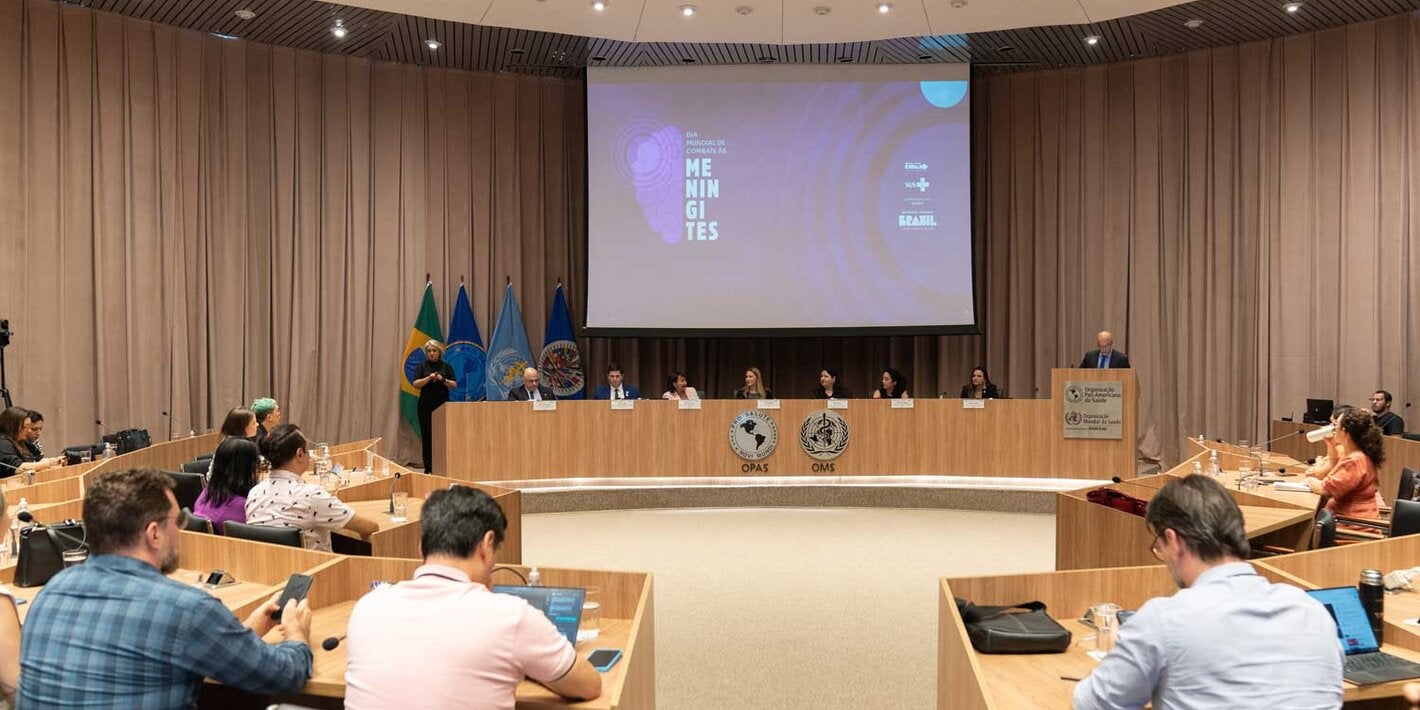
- It promotes community and civil society participation to raise awareness, combat stigma, and encourage timely care-seeking, including events such as World Meningitis Day.
- PAHO monitors regional progress and supports countries in tracking and reporting, in line with global goals and the PAHO Disease Elimination Initiative.

"Meningitis is a serious and silent disease, it doesn't choose age or place, but together we can fight it by sharing information... We need to race against time. We fight disinformation every day, and we believe that whoever saves a life saves the whole world, so we're not going backwards!"
Suelen Caroline, Co-Founder of Associação Brasileira de Combate à Meningite and member of the Confederation of Meningitis Organisations. Mother of João Marcos, who suffered from meningitis.