More than 30% of children and adolescents aged 5–19 years in the Americas are living with overweight, while over 80% of adolescents do not achieve the recommended levels of physical activity
Washington, D.C., July 10, 2026 (PAHO) – The Pan American Health Organization (PAHO) and the Organization of American States (OAS) have launched new guidance to support countries in the Americas in designing, implementing, monitoring, and evaluating policies that promote healthy eating and physical activity in school settings, as rates of overweight, obesity, and physical inactivity continue to rise among children and adolescents.
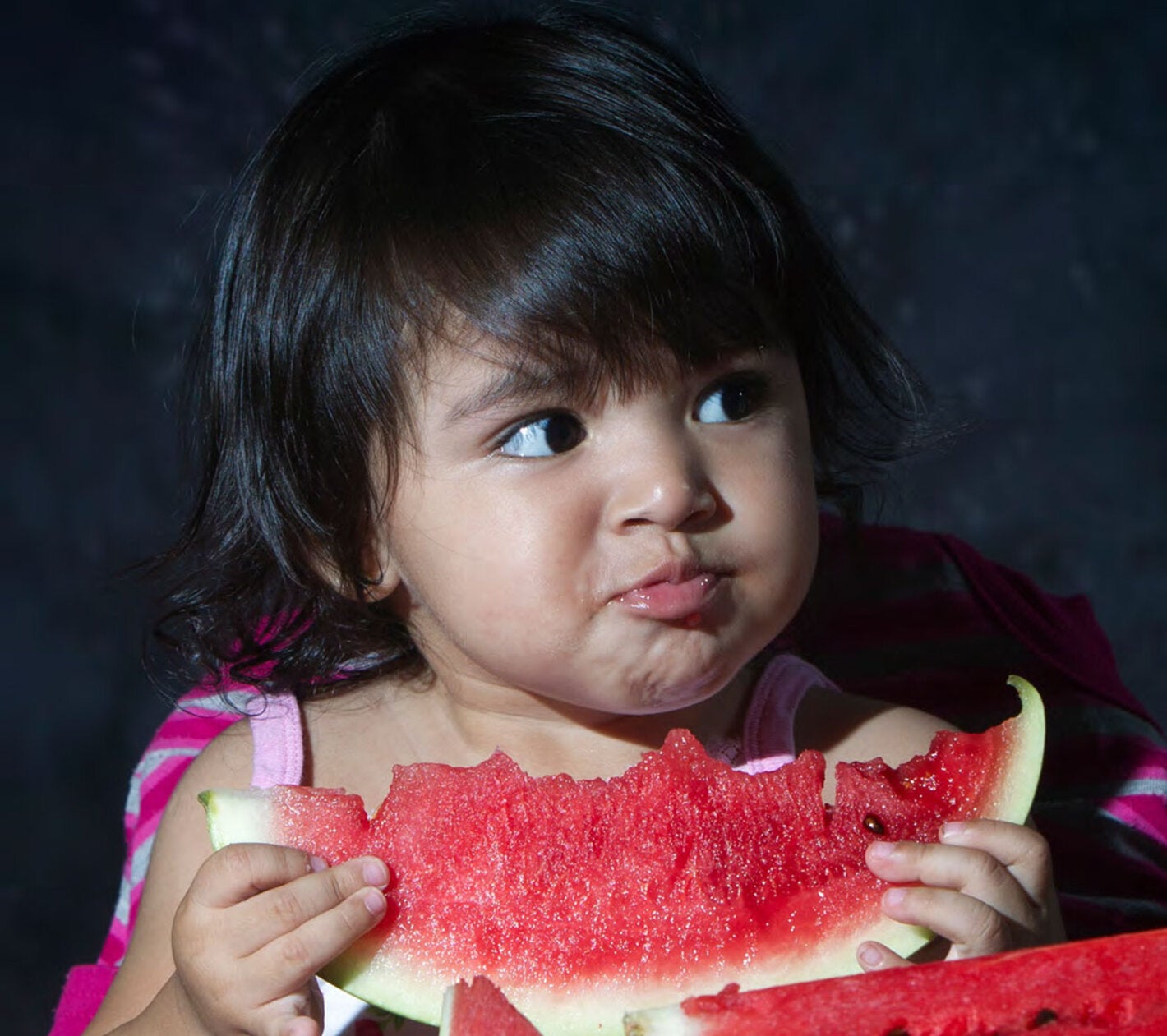
More than 30% of children and adolescents aged 5–19 years in the Americas are living with overweight. At the same time, obesity prevalence in this age group has tripled over the past three decades, increasing from 5.6% in 1990 to 16.9% in 2022. More than 80% of adolescents also fail to meet the World Health Organization (WHO) recommendation of at least 60 minutes of daily physical activity.
These trends increase the risk of noncommunicable diseases such as diabetes, cardiovascular disease, and certain cancers later in life, while also affecting health, well-being, and development during childhood and adolescence.
Against this backdrop, PAHO and the OAS are highlighting schools as critical settings for fostering healthy habits from an early age.
“Schools have enormous potential to shape habits that will accompany children and adolescents throughout their lives,” said Vanessa Garcia Larsen, Chief of PAHO’s Risk Factors Unit in the Department of Noncommunicable Diseases and Mental Health. “This guidance provide countries with evidence-based tools to create school environments that make healthy choices easier and contribute to the well-being of children and adolescents.”
“This guidance is grounded in a fundamental principle: health and education are inseparable,” said Jesús Schucry Giacoman Zapata, Director of the Department of Human Development, Education and Employment at the OAS. “By promoting healthy eating and physical activity in schools, we are also strengthening educational pathways, socio-emotional well-being, active participation, and learning opportunities for future generations.”
What the new guidance recommends
The Regional Guidance to Promote Healthy Eating and Physical Activity Policies in School Environments (PASAFE) provide a roadmap for countries to develop, implement, and strengthen school policies that support healthy lifestyles.
Key recommendations include:
- Promoting healthy school food environments with access to nutritious foods;
- Strengthening procurement policies and school feeding programs to increase the availability of healthy foods;
- Restricting the availability, promotion, and marketing of ultra-processed products and sugar-sweetened beverages in school settings; and
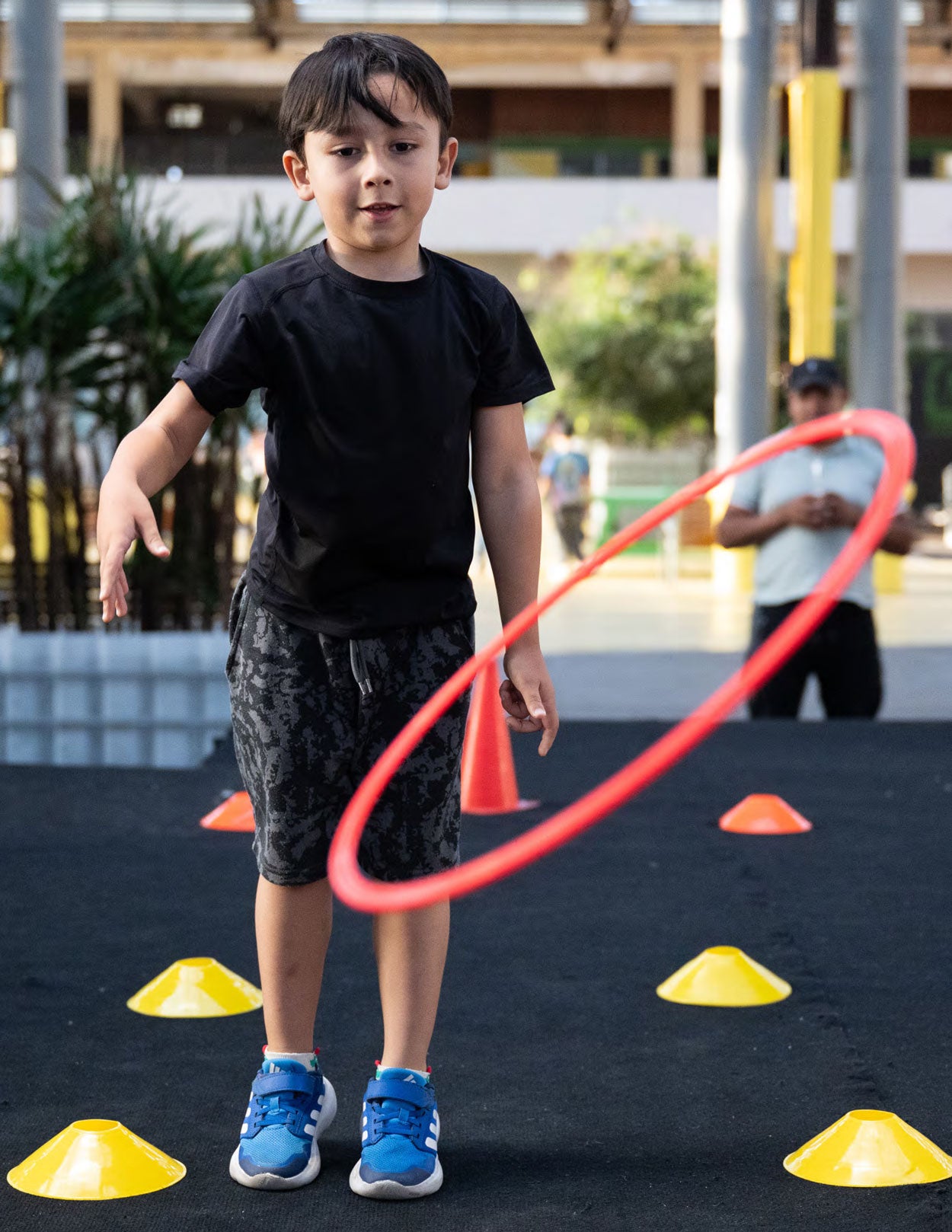
- Encouraging physical activity through quality physical education, active recess, active transportation, before- and after-school activities, and initiatives that support active lifestyles across school communities.
An evidence-based tool developed with countries
The guidance was developed through a review of the scientific evidence and an extensive consultation process involving ministries of health and education across the Region.
They also incorporate lessons learned from experiences in The Bahamas, Belize, and Colombia, and are part of the Hemispheric Program on Healthy Eating and Physical Activity Policies in School Settings, a joint PAHO–OAS initiative aimed at strengthening countries’ capacity to develop intersectoral policies that promote healthy lifestyles from an early age and help prevent noncommunicable diseases.