

• alimentação saudável escola crianças
    Crédito da foto: Monkey Business Images/Shutterstock.com

Healthy Diet

Maintaining a healthy diet throughout life prevents not only malnutrition in all its forms but also a variety of NCDs and other health conditions. However, the increase in the production of processed foods, rapid urbanization, and lifestyle changes have led to a shift in eating patterns. People now consume more foods high in calories, fats, free sugars, and salt/sodium, and many do not eat enough fruits, vegetables, and other dietary fibers.

The exact composition of a diverse, balanced, and healthy diet varies according to the individual characteristics of each person (age, sex, lifestyle, and level of physical activity), cultural context, locally available foods, and eating habits. However, the basic principles of what constitutes a healthy diet remain the same for everyone.

  • Uma alimentação saudável ajuda a proteger contra a má nutrição em todas as suas formas, bem como contra as doenças crônicas não transmissíveis (DCNT), entre elas diabetes, doenças cardiovasculares, AVC e câncer.
  • A alimentação não saudável e a falta de atividade física são os principais riscos globais para a saúde.
  • Práticas alimentares saudáveis começam cedo na vida. A amamentação, por exemplo, promove crescimento e melhora o desenvolvimento cognitivo. Além disso, pode ter benefícios a longo prazo para a saúde, reduzindo o risco de obesidade e de sobrepeso, bem como de desenvolvimento de DCNT.
  • A ingestão calórica deve estar em equilíbrio com o gasto calórico. Para evitar um ganho de peso não saudável, as gorduras não devem exceder 30% da ingestão calórica total (1, 2, 3).
  • As gorduras saturadas devem representar menos de 10% da ingestão calórica total. O consumo de gorduras trans, por sua vez, deve ser inferior a 1% do consumo total. Para isso ser possível, o consumo de gorduras deveria ser modificado para reduzir as gorduras saturadas e trans para gorduras insaturadas (3), com o objetivo de eliminar a gordura trans produzida industrialmente (4, 5, 6).
  • Limitar o consumo de açúcares livres para menos de 10% da ingestão calórica total (2, 7) faz parte de uma alimentação saudável. Uma redução adicional para menos de 5% é sugerida para benefícios adicionais à saúde (7).
  • Manter o consumo diário de sal abaixo de 5g (o equivalente a menos de 2g de sódio) ajuda a prevenir a hipertensão e reduz o risco de doença cardiovascular e AVC entre a população adulta (8).
  • Os Estados Membros da OMS concordaram em reduzir a ingestão de sal da população mundial em 30% até 2025. Também concordaram em deter o aumento do diabetes e da obesidade entre adultos e adolescentes, bem como o sobrepeso durante a infância até 2025 (9, 10).

Para adultos, uma dieta saudável inclui:

  • Frutas, verduras, legumes (como lentilha e feijão), nozes e cereais integrais (como milho, aveia, trigo e arroz integral).
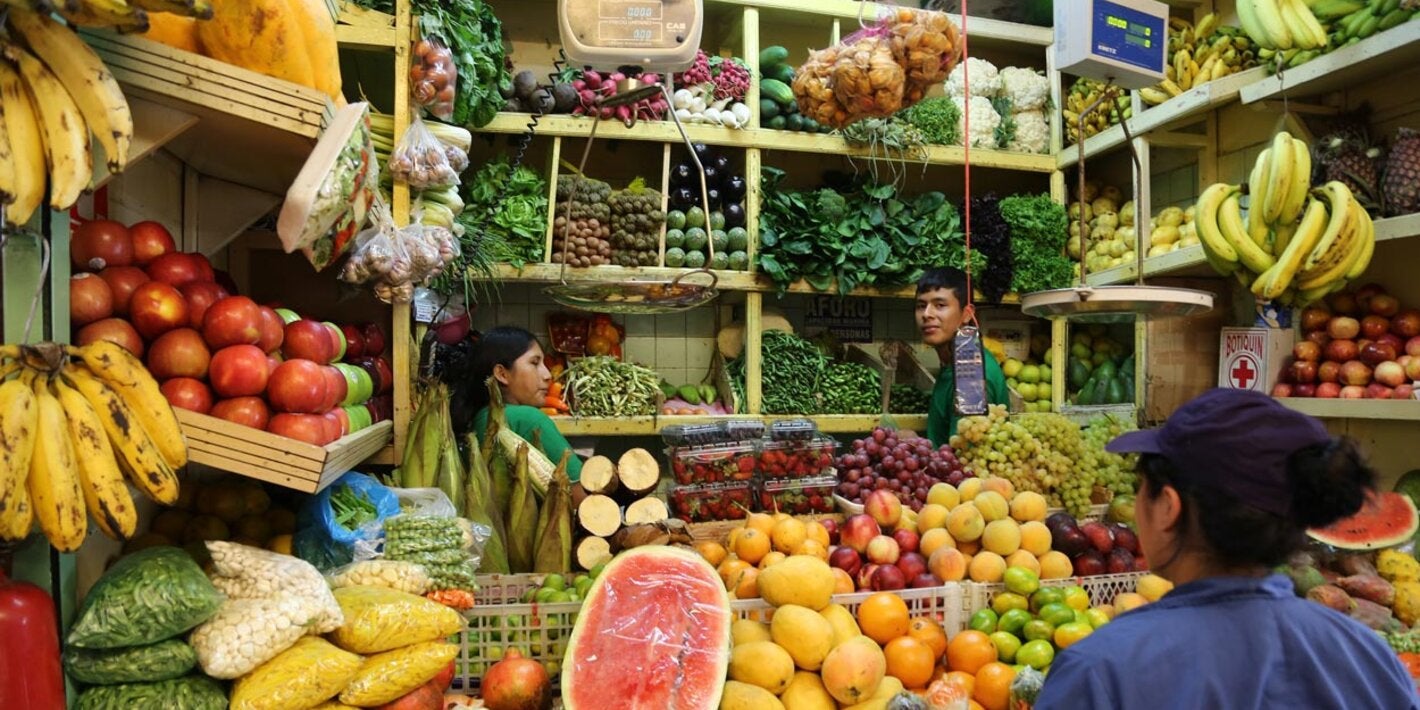
  • Pelo menos 400g (o equivalente a cinco porções) de frutas e vegetais por dia (2), exceto batata, batata-doce, mandioca e outros tubérculos.
  • Menos de 10% da ingestão calórica total de açúcares livres (2, 7), o que equivale a 50g (ou cerca de 12 colheres de chá) para uma pessoa com peso corporal saudável e que consome cerca de 2.000 calorias por dia. Idealmente, o consumo deve ser inferior a 5% da ingestão calórica total para benefícios adicionais à saúde (7). Açúcares livres são todos os açúcares adicionados aos alimentos ou bebidas pelos fabricantes, cozinheiros ou consumidores, bem como os açúcares naturalmente presentes no mel, xaropes, sucos de frutas e concentrados de sucos de frutas.
  • Menos de 30% da ingestão calórica diária procedente de gorduras (1, 2, 3). Gorduras não saturadas (presentes em peixes, abacate e nozes, bem como nos azeites de girassol, soja, canola e azeite) são preferíveis às gorduras saturadas (encontradas em carnes, manteiga, óleo de palma e coco, creme, queijo, ghee e banha) e às gorduras trans de todos os tipos, principalmente as produzidas industrialmente (alimentos assados e fritos, lanches e alimentos pré-embalados, como pizzas congeladas, tortas, biscoitos, bolachas, óleos e cremes), bem como as gorduras encontradas em carnes e laticínios de animais ruminantes, como vacas, ovelhas, cabras e camelos. Sugere-se que a ingestão de gorduras saturadas seja reduzida a menos de 10% da ingestão calórica total e das gorduras trans, a menos de 1% (5).
  • Menos de 5g de sal por dia, o equivalente a cerca de uma colher de chá (8). O sal deve ser iodado.
alimentação saudável família

Para bebês e crianças pequenas, uma dieta saudável inclui:

Nos primeiros dois anos de vida de uma criança, a nutrição ideal promove o crescimento saudável e melhora o desenvolvimento cognitivo. Também reduz o risco de obesidade e sobrepeso, bem como evita o desenvolvimento de DCNT mais tarde na vida.
Os conselhos para uma alimentação saudável durante a lactância e a infância são os mesmos que os dados aos adultos, sendo especialmente importantes os pontos abaixo:

  • Bebês devem se alimentar exclusivamente de leite materno durante os seis primeiros meses de vida.
  • Devem ser amamentados continuamente até os dois anos de idade ou mais.
  • A partir dos seis meses, o aleitamento materno deve ser complementado com diferentes alimentos seguros e nutritivos. Não é recomendado adicionar sal ou açúcar a esses alimentos.

(Folha informativa atualizada em janeiro de 2019)

Fruits and Vegetables

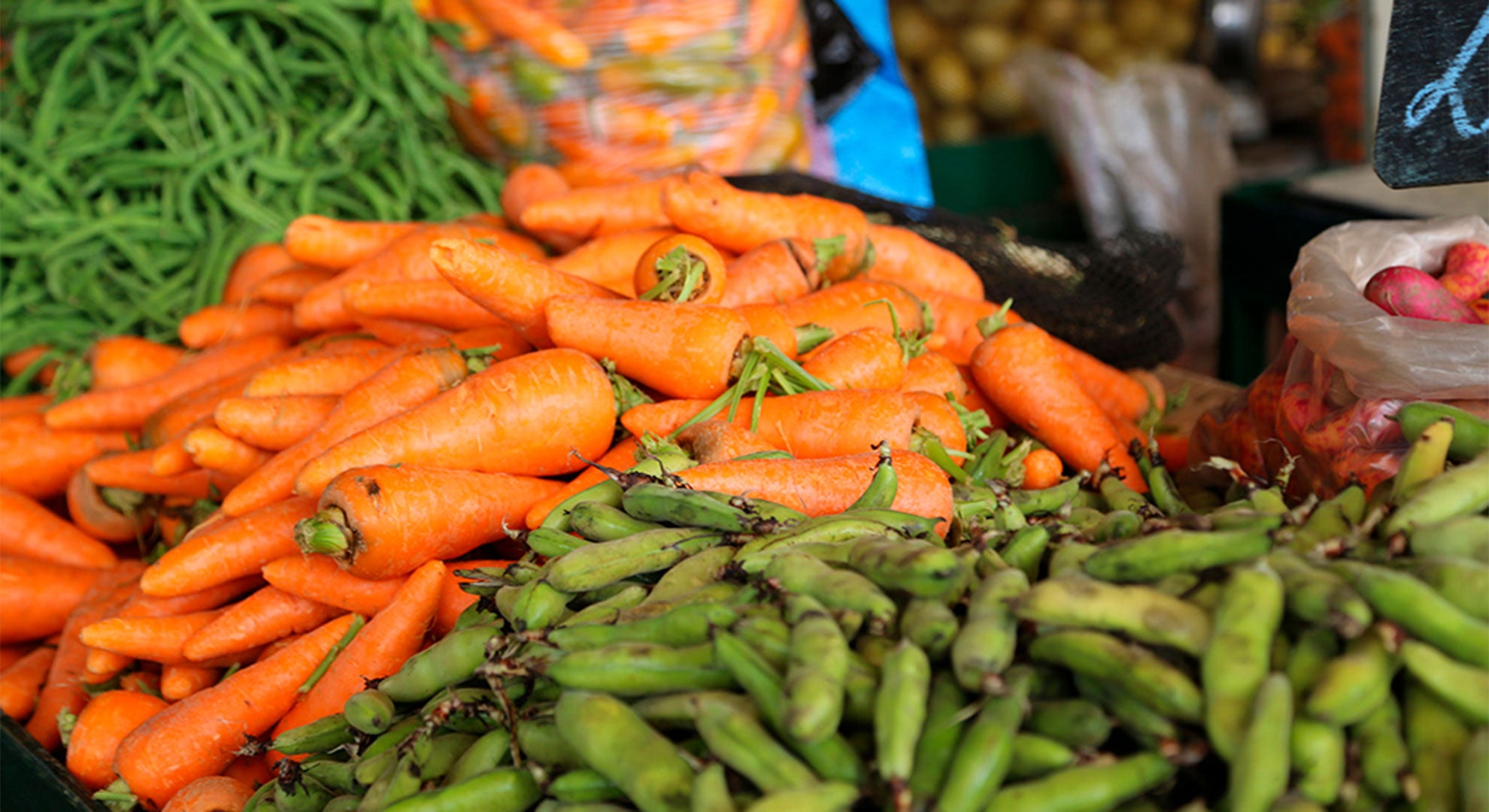
Eating at least 400g—or five servings—of fruits and vegetables per day reduces the risk of NCDs (2) and helps ensure an adequate daily intake of dietary fiber. To increase your consumption of these foods, it is recommended to:

  • Include vegetables in every meal;
  • Eat fresh fruits and raw vegetables instead of snacks;
  • Eat fresh, seasonal fruits and vegetables; and
  • Consume a varied selection of these foods.
alimentação saudável hortaliças

Fats

Reducing total fat intake to less than 30% of total caloric intake helps prevent unhealthy weight gain among the adult population (1, 2, 3). Furthermore, the risk of developing chronic non-communicable diseases decreases by:

  • Reducing saturated fats to less than 10% of total caloric intake;
  • Reducing trans fats to less than 1% of total caloric intake;
  • Replacing saturated fats and trans fats with unsaturated fats (2, 3)—specifically, with polyunsaturated fats.
  • Fat consumption—especially of saturated fats and industrially produced trans fats—can be reduced by:
  • Cooking or boiling foods instead of frying them;
  • Replacing butter, lard, and ghee with oils rich in polyunsaturated fats, such as soybean, canola, corn, safflower, and sunflower oils;
  • Eating low-fat dairy products and lean meats, as well as trimming visible fat from meats; and
  • Limiting the consumption of baked or fried foods, as well as snacks and pre-packaged foods (such as donuts, cakes, pies, cookies, and biscuits) that contain industrially produced trans fats.

Salt, sodium, and potassium

Most people consume too much sodium through salt intake (averaging 9–12 g per day) and do not consume enough potassium (less than 3.5 g). High sodium consumption and insufficient potassium intake contribute to hypertension, which, in turn, increases the risk of cardiovascular disease and stroke (8, 11).

Reducing salt intake to the recommended level (less than 5 g per day) could prevent 1.7 million deaths each year (12).

alimentação saudável redução sal

People are generally unaware of the amount of salt they consume. In many countries, the majority of salt comes from processed foods (ready-to-eat meals, processed meats such as bacon, ham, and salami, cheese, and savory snacks) or from foods frequently consumed in large quantities (such as bread). Salt is also added to foods during cooking (stocks, bouillon cubes, soy sauce, and fish sauce) or at the point of consumption ("table salt").

Salt intake can be reduced by:

  • Limiting the amount of salt and high-sodium condiments (soy sauce, fish sauce, and meat stock, for example) used when cooking and preparing food;
  • Removing salt or high-sodium sauces from the table;
  • Limiting the consumption of savory snacks; and
  • Choosing products with lower sodium content.

Some food manufacturers are reformulating their recipes to reduce sodium content, and people should be encouraged to check nutrition labels to see how much sodium is in a product before purchasing or consuming it.

Potassium can mitigate the negative effects of high sodium intake on blood pressure. Intake of this element can be increased by consuming fresh fruits and vegetables.

Sugars

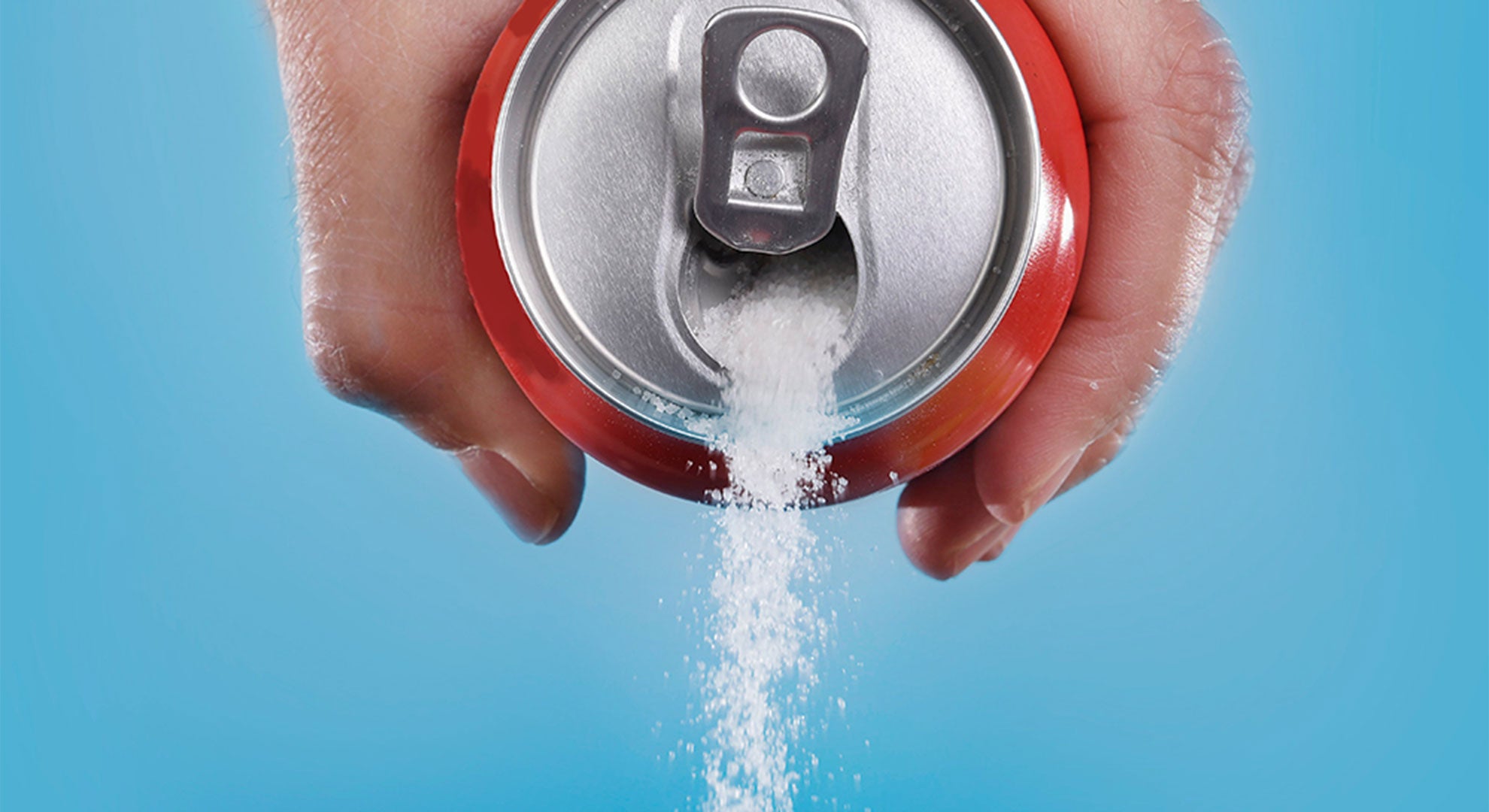
For both adults and children, the intake of free sugars should be reduced to less than 10% of total caloric intake (2, 7). A reduction to less than 5% provides additional health benefits (7).

The consumption of free sugars increases the risk of dental caries. Excess calories derived from foods and beverages rich in free sugars also contribute to unhealthy weight gain, which can lead to overweight and obesity. Recent evidence also reveals that free sugars influence blood pressure and serum lipids, and suggests that a reduction in free sugar intake reduces risk factors for cardiovascular diseases (13).

alimentação saudável açúcares

 
Sugar intake can be reduced by:

  • Limiting the consumption of foods and beverages with high sugar content, such as sugary snacks, sweets, and sweetened beverages (i.e., all types of beverages containing free sugars—including carbonated and non-carbonated soft drinks, fruit or vegetable juices and drinks, liquid and powdered concentrates, flavored water, energy and sports drinks, ready-to-drink teas and coffees, and flavored dairy drinks); and
  • Consuming fresh fruits and raw vegetables as snacks instead of sugary foods.
     

References

(1) Hooper L, Abdelhamid A, Bunn D, Brown T, Summerbell CD, Skeaff CM. Effects of total fat intake on body weight. Cochrane Database Syst Rev. 2015; (8):CD011834.
(2) Diet, nutrition and the prevention of chronic diseases: report of a Joint WHO/FAO Expert Consultation. WHO Technical Report Series, No. 916. Geneva: World Health Organization; 2003.
(3) Fats and fatty acids in human nutrition: report of an expert consultation. FAO Food and Nutrition Paper 91. Rome: Food and Agriculture Organization of the United Nations; 2010.
(4) Nishida C, Uauy R. WHO scientific update on health consequences of trans fatty acids: introduction. Eur J Clin Nutr. 2009; 63 Suppl 2:S1–4.
(5) Guidelines: Saturated fatty acid and trans-fatty acid intake for adults and children. Geneva: World Health Organization; 2018 (Draft issued for public consultation in May 2018).
(6) REPLACE: An action package to eliminate industrially-produced trans-fatty acids. WHO/NMH/NHD/18.4. Geneva: World Health Organization; 2018.
(7) Guideline: Sugars intake for adults and children. Geneva: World Health Organization; 2015.
(8) Guideline: Sodium intake for adults and children. Geneva: World Health Organization; 2012.
(9) Comprehensive implementation plan on maternal, infant and young child nutrition. Geneva: World Health Organization; 2014.
(10) Global action plan for the prevention and control of NCDs 2013–2020. Geneva: World Health Organization; 2013.
(11) Guideline: Potassium intake for adults and children. Geneva: World Health Organization; 2012.
(12) Mozaffarian D, Fahimi S, Singh GM, Micha R, Khatibzadeh S, Engell RE et al. Global sodium consumption and death from cardiovascular causes. N Engl J Med. 2014; 371(7):624–34.
(13) Te Morenga LA, Howatson A, Jones RM, Mann J. Dietary sugars and cardiometabolic risk: systematic review and meta-analyses of randomized controlled trials of the effects on blood pressure and lipids. AJCN. 2014; 100(1): 65–79.
(14) Global strategy on diet, physical activity and health. Geneva: World Health Organization; 2004.
(15) Set of recommendations on the marketing of foods and non-alcoholic beverages to children. Geneva: World Health Organization; 2010.
(16) Report of the Commission on Ending Childhood Obesity. Geneva: World Health Organization; 2016.
(17) Rome Declaration on Nutrition. Second International Conference on Nutrition. Rome: Food and Agriculture Organization of the United Nations/World Health Organization; 2014.
(18) Framework for Action. Second International Conference on Nutrition. Rome: Food and Agriculture Organization of the United Nations/World Health Organization; 2014.
(19) Thirteenth general programme of work, 2019–2023. Geneva: World Health Organization; 2018.

Diet evolves over time, influenced by various social and economic factors that interact in complex ways to shape individual dietary patterns. These factors include income, food prices (which affect the availability and affordability of healthy foods), individual preferences and beliefs, cultural traditions, and geographic and environmental aspects (including climate change). Therefore, fostering a healthy food environment—featuring food systems that promote a diverse and balanced diet—requires the engagement of multiple sectors and stakeholders, including governments and both the public and private sectors.

Governments play a central role in creating a healthy food environment that enables people to adopt and maintain healthy practices. Among the effective actions that policymakers can take to create a healthy food environment are:

Ensuring coherence across national policies and investment plans—including trade, food, and agricultural policies—to promote healthy diets and protect public health by:

  • Increasing incentives for producers and retailers to grow, use, and sell fresh fruits and vegetables;
  • Reducing incentives for the food industry to continue or increase the production of processed foods containing high levels of saturated fats, trans fats, free sugars, and salt/sodium;
  • Encouraging the reformulation of food products to reduce saturated fats, trans fats, free sugars, and salt/sodium, with the aim of eliminating industrially produced trans fats;
  • Implementing WHO recommendations regarding the marketing of food and non-alcoholic beverages to children;
  • Establishing standards to promote healthy dietary practices, ensuring the availability of nutritious, safe, and affordable foods in preschools, schools, other public institutions, and workplaces;
  • Exploring regulatory and voluntary instruments (e.g., marketing regulations and nutrition labeling policies), as well as incentives, taxes, and subsidies, to promote healthy diets; and
  • Encourage transnational, national, and local food services and restaurants to improve the nutritional quality of their food—ensuring the availability and affordability of healthy options—and to review portion sizes and pricing.
  • Encourage consumer demand for healthy foods and meals by:
  • Promoting consumer awareness regarding healthy eating;
  • Developing school policies and programs that encourage children to adopt and maintain a healthy diet;
  • Educating children, adolescents, and adults about nutrition and healthy dietary practices;
  • Encouraging culinary skills—even among children—within the school environment;
  • Providing support for point-of-sale information, particularly through nutritional labeling that ensures accurate, standardized, and understandable information regarding the nutrient content of foods (in accordance with Codex Alimentarius Commission guidelines), with the addition of front-of-pack labels to facilitate consumer understanding; and
  • Offering nutritional and dietary counseling at primary health care facilities.

Promote appropriate feeding practices for infants and young children by:

  • Implementing the International Code of Marketing of Breast-milk Substitutes and subsequent relevant resolutions of the World Health Assembly;
  • Implementing policies and practices to promote the protection of working mothers; and
  • Promoting, protecting, and supporting breastfeeding within health services and communities, including through the Baby-friendly Hospital Initiative.

Latest news

Documents

Events