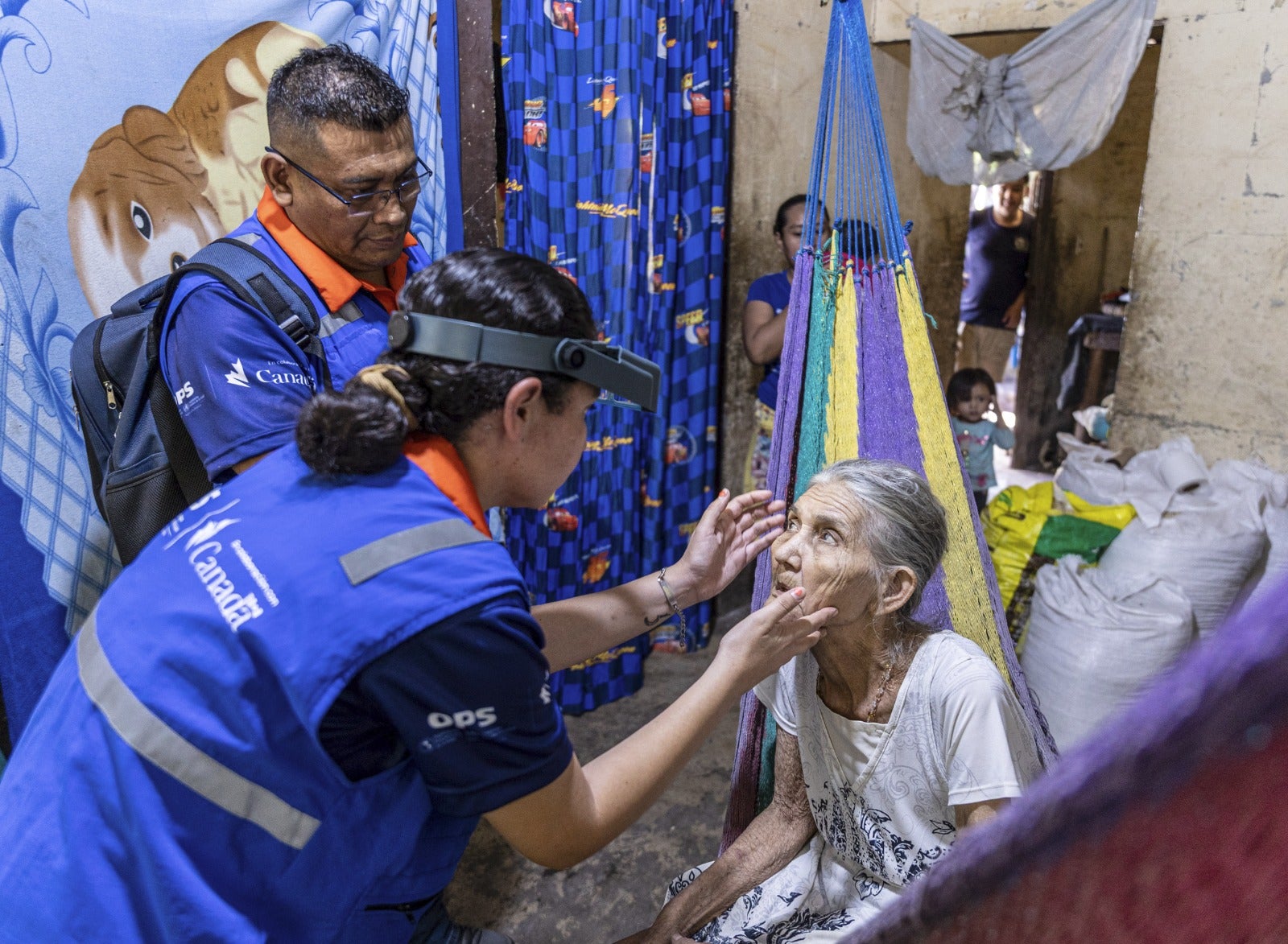
Chalatenango, El Salvador — Throughout 2025, El Salvador conducted rapid trachoma assessments in 12 prioritized municipalities across the country. This journey took health teams from the western to the eastern regions, united by a common purpose: to actively search for the disease and bring health services closer to communities.
Field activities were carried out by interdisciplinary teams made up of physicians, nurses, and community health promoters, who visited communities, households, and shared spaces. These efforts combined active trachoma case finding with other health promotion and disease prevention actions. During the visits, teams also conducted visual acuity screenings, vector control activities, and vaccination campaigns, strengthening a comprehensive, people-centered approach to care.
The fieldwork created opportunities for listening, learning, and accompaniment alongside the families visited. Each municipality offered distinct experiences and daily challenges, as well as small moments that left a lasting impression on the teams—smiles, spontaneous conversations, and the satisfaction of knowing that each action contributed to protecting people’s health.
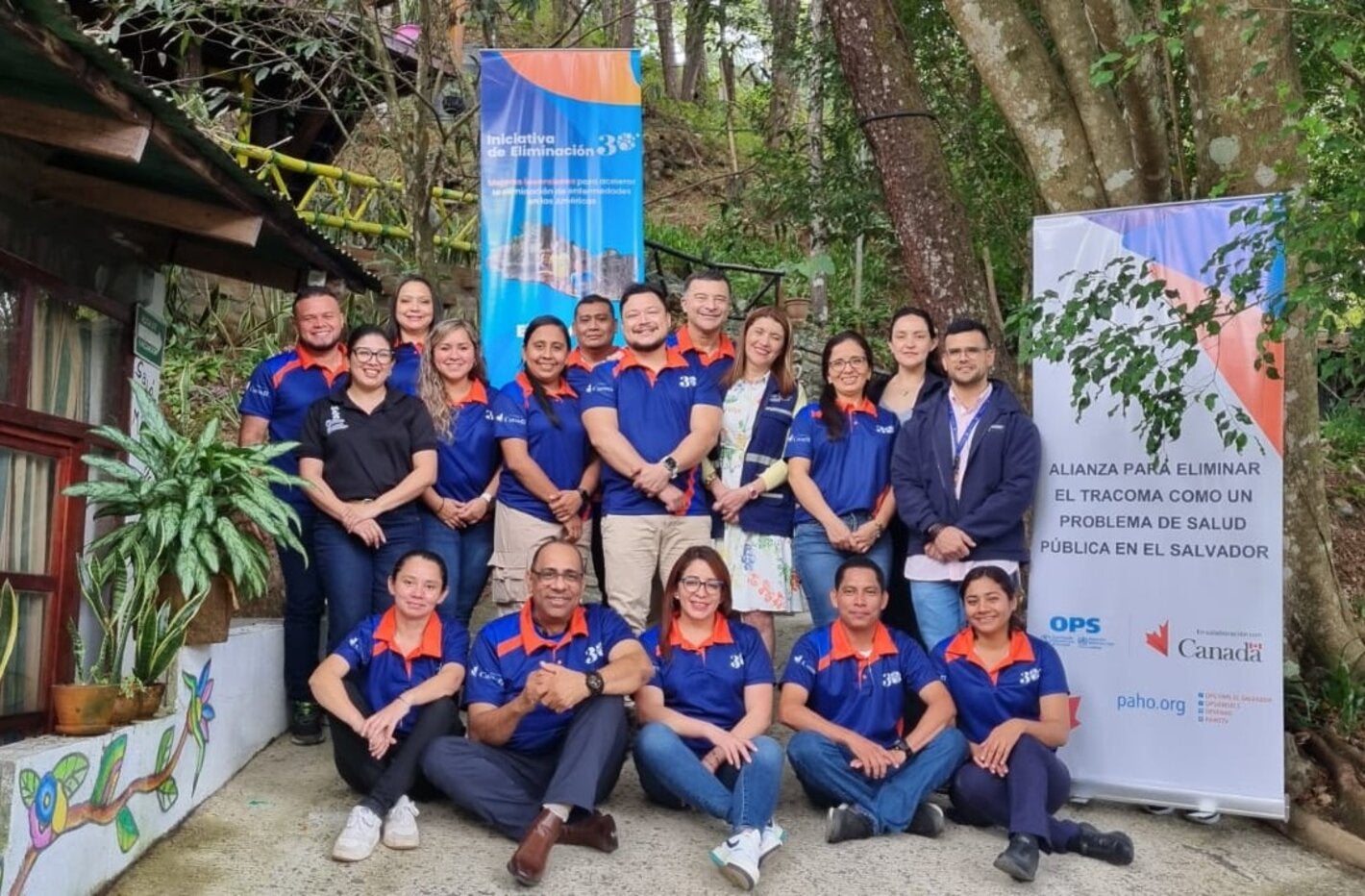
To mark the completion of this important process, a recognition ceremony was held for the two interdisciplinary teams that participated in the assessments. Though simple, the event was deeply meaningful, providing a space to share anecdotes from the journey, laughter, emotions, and memories from the year’s fieldwork. Beyond data and technical results, the gathering highlighted the dedication, commitment, and human effort that made this work in the field possible.
The rapid assessments conducted by the Ministry of Health of El Salvador were supported by technical cooperation from the Pan American Health Organization (PAHO) and financed by the Government of Canada, within the framework of PAHO’s Elimination Initiative 30+. This initiative aims to accelerate the elimination of more than 30 communicable diseases and related conditions in the Region of the Americas through integrated, equitable, and people-centered interventions.
This phase of assessments represents a key milestone within the project and reaffirms PAHO’s commitment to working jointly with communities and national authorities to advance toward the elimination of other priority diseases, through comprehensive actions planned for 2026.