Lead exposure affects up to 815 million children worldwide. During International Lead Poisoning Prevention Week, PAHO highlights the need to identify sources of exposure, strengthen surveillance, and protect children from the harmful effects of lead.
Washington, D.C., 21 October 2026 (PAHO) – Lead poisoning often goes unnoticed. Children can be exposed to this toxic metal in their homes and communities without showing obvious symptoms, even as it affects their brain development and long-term health. During International Lead Poisoning Prevention Week, held from 18 to 24 October, the Pan American Health Organization (PAHO) is calling for stronger efforts to detect and prevent lead poisoning, particularly among children.
Lead poisoning is estimated to affect up to 815 million children—one in three globally. Children are particularly vulnerable because their developing brains and nervous systems are more susceptible to lead's toxic effects. There is no known safe blood lead concentration, and the World Health Organization (WHO) notes that even levels below 3.5 micrograms of lead per deciliter of blood (µg/dL) may be associated with decreased intelligence, behavioral difficulties and learning problems.
In Latin America and the Caribbean, available studies estimate that approximately 30% of children tested had blood lead levels above 5 µg/dL, and 6.78% had levels above 10 µg/dL. WHO recommends identifying and eliminating sources of exposure when blood lead concentrations reach 5 µg/dL or higher. However, significant data gaps remain, making it difficult to determine the full extent of childhood exposure across the Region.
The health burden extends beyond children's health. According to WHO estimates, more than 3.5 million deaths worldwide were attributed to lead exposure in 2023, primarily due to cardiovascular effects. In Latin America and the Caribbean, lead exposure is estimated to account for nearly 200,000 deaths and more than 3.9 million disability-adjusted life years (DALYs).
Reflecting this year's campaign theme, From Detection to Prevention, PAHO emphasizes the importance of identifying sources of exposure before they cause harm.
“Lead poisoning is preventable, but we cannot prevent what we do not identify. Strengthening surveillance and understanding where exposure occurs are essential to protecting children and helping countries act before irreversible harm is done,” said Francisco Sánchez Otero, technical adviser on chemical safety at PAHO.
Identifying risks to prevent exposure
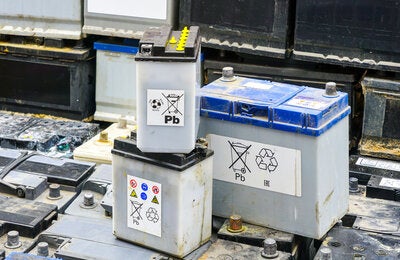
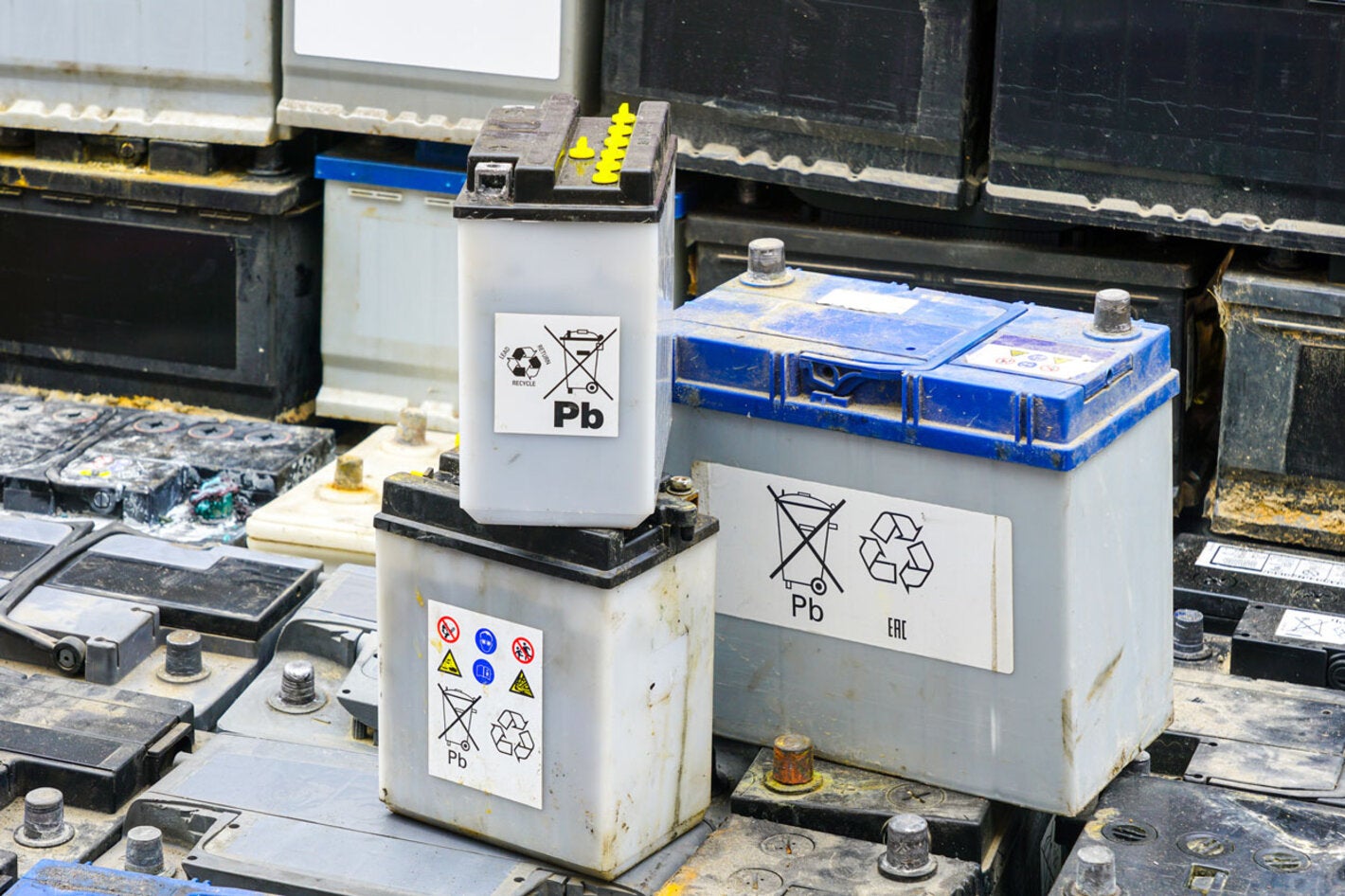
In Latin America and the Caribbean, sources of lead exposure include mining and industrial activities, informal recycling of lead-acid batteries, lead-containing paints, and lead-glazed ceramics.
Children can be exposed by inhaling lead particles or ingesting contaminated dust, soil, water or food. Young children are especially vulnerable because they absorb more lead than adults from an ingested dose and frequently put their hands and objects in their mouths. Exposure risks vary according to local economic activities, environmental conditions, and living circumstances.
Despite these risks, information on lead exposure remains limited in many parts of the Region, particularly among children. Gaps in surveillance and testing can delay the identification of affected populations and sources of contamination, making timely prevention more difficult.
In May 2026, WHO introduced the overview module of its forthcoming PREVENT Technical Package on Lead Poisoning Prevention. The framework is designed to help countries translate evidence into action by prioritizing sources, monitoring exposure, responding to elevated blood lead levels, strengthening and enforcing regulations, and tracking progress. The full package is expected in 2027.
From detection to prevention
To mark International Lead Poisoning Prevention Week, PAHO and partners are organizing a series of virtual seminars under the theme “Lead in Latin America: From Detection to Prevention”, bringing together experts and country representatives to share experiences in identifying exposure sources, strengthening surveillance and implementing effective prevention measures. The regional webinar series is scheduled for 19–21 October 2026.
PAHO supports countries across the Americas in assessing the extent and distribution of lead exposure by strengthening toxicological information and advisory centers (CIATs), expanding public health laboratory capacity, implementing blood lead monitoring and biomonitoring programs, and improving epidemiological surveillance to identify affected populations, geographic hotspots, and inequalities in exposure.
PAHO also supports countries in developing and implementing climate-resilient water and sanitation safety plans and improving water and sanitation services in health care facilities.
“Examples of PAHO's work include strengthening and enforcing regulations to phase out lead-containing paints and other hazardous products, promoting the safe management and recycling of lead-acid batteries, and reducing lead contamination in drinking water, schools, and homes,” said Daniel Buss, Unit Chief for Climate Change and Environmental Determinants of Health at PAHO.
These efforts require coordination across sectors, including health, environment, education, industry, and labor. By linking surveillance data to targeted interventions, countries can move beyond documenting lead exposure to preventing it, protecting children from irreversible harm.