PAHO, the World Bank, and the IDB initiative has driven health system transformation and aligned more than one billion dollars in investments across five countries. Brazil expressed its support, signing a letter of intent.
Rio de Janeiro, 28 January 2026 — The Alliance for Primary Health Care (PHC) in the Americas, a joint initiative of the Pan American Health Organization (PAHO), the World Bank (WB), and the Inter-American Development Bank (IDB), is celebrating its second anniversary with achievements in transforming health systems across the region.
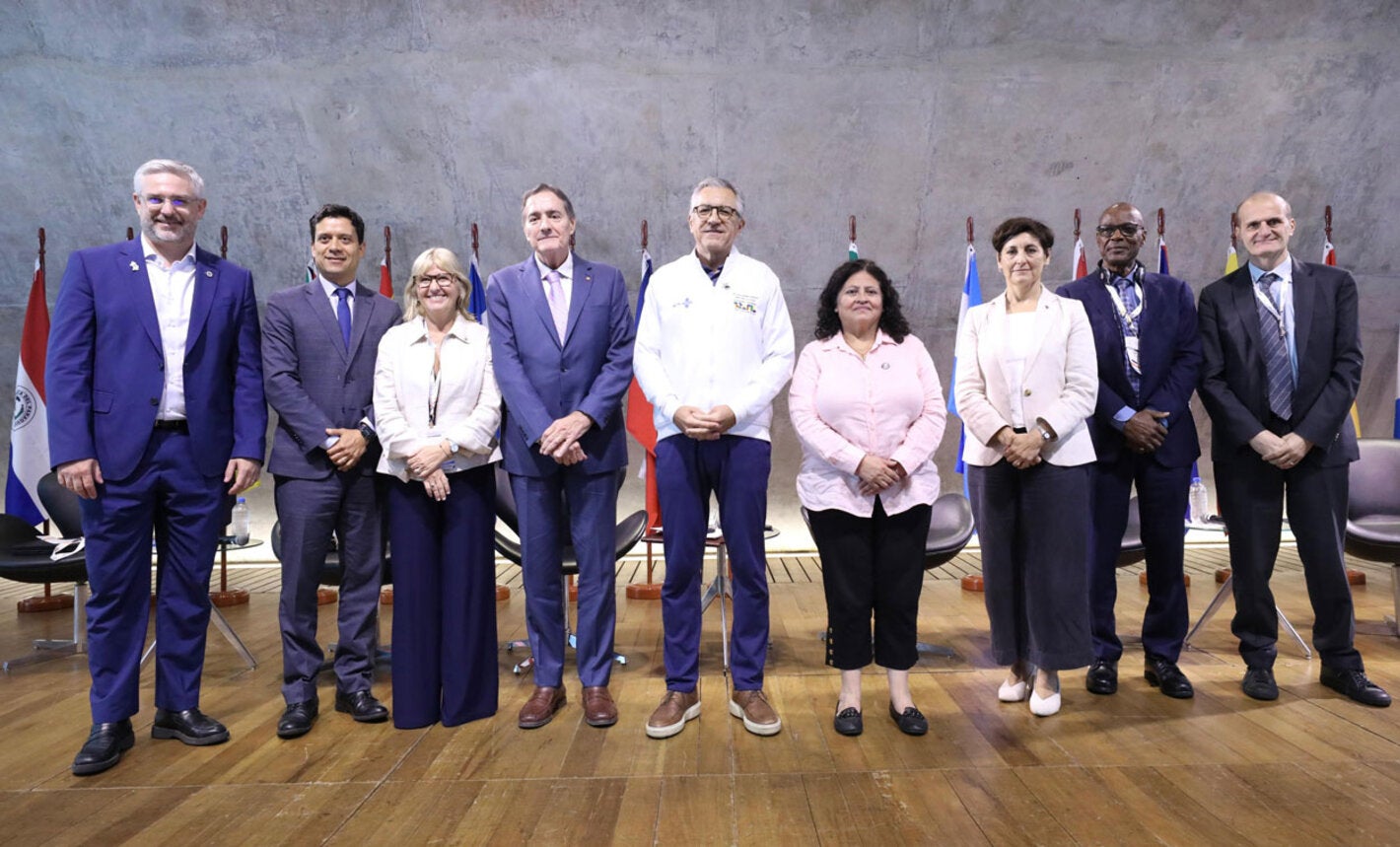
The Second Regional Forum of the PHC Alliance, held in Rio de Janeiro from January 26 to 28, brought together health authorities, technical partners, and financial institutions to share experiences, assess progress, and define joint strategies.
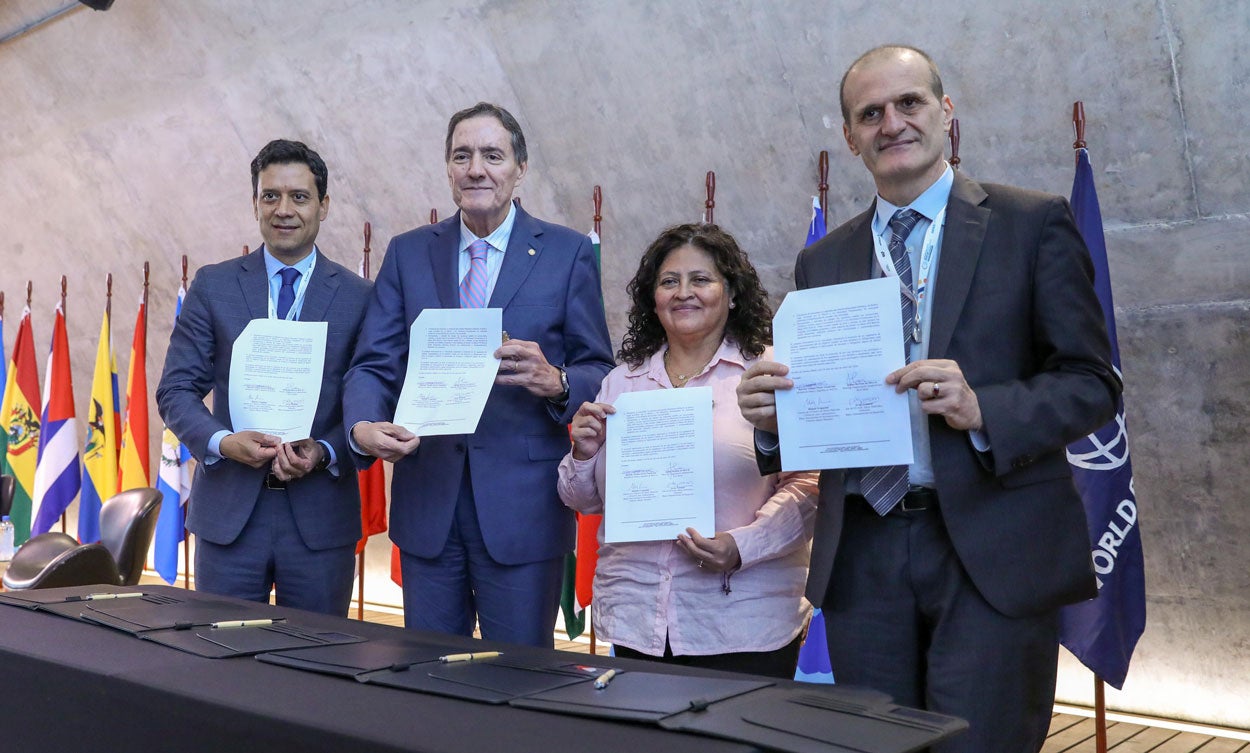
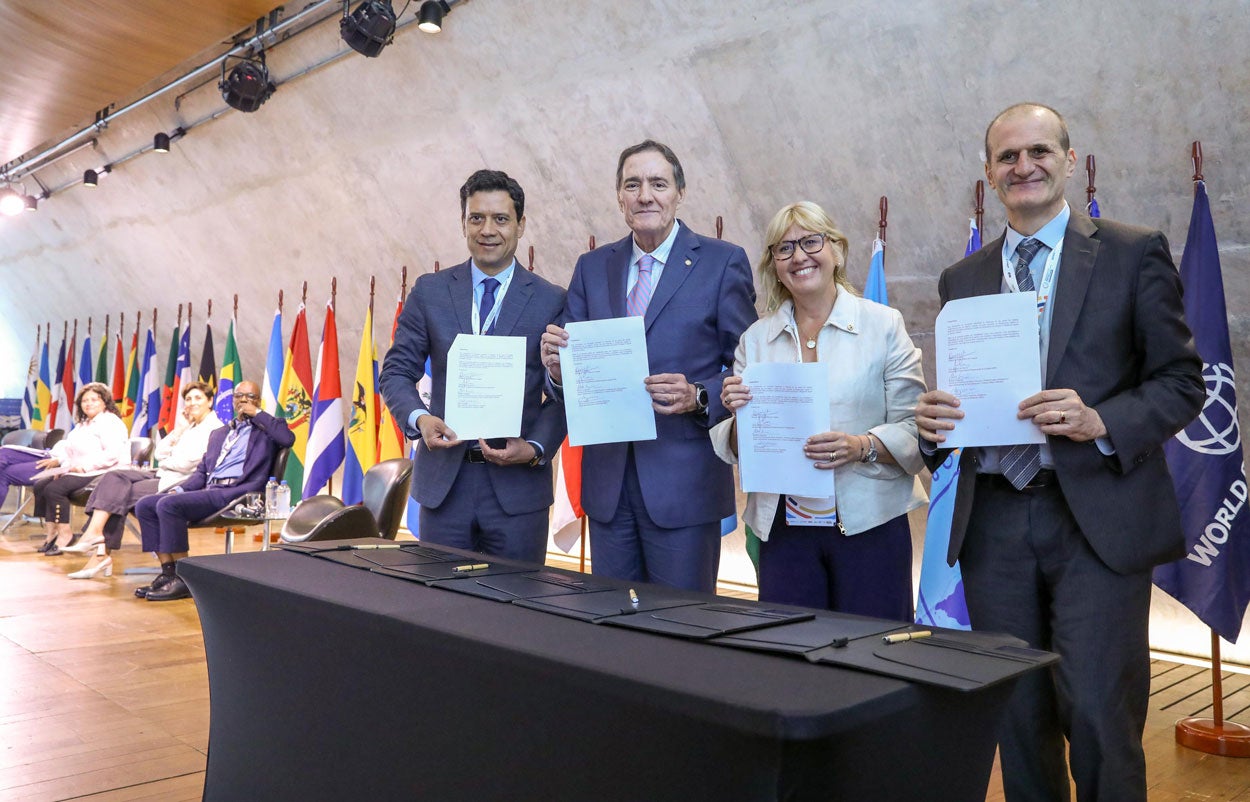
The Alliance announced the formal incorporation of Bolivia and Uruguay as members. The new members launched their national coordination platforms, which are designed as spaces for dialogue and to coordinate investments among the ministries of health and finance, PAHO, and development banks in order to accelerate the implementation of PHC. Brazil endorsed the initiative by signing a letter of intent.
Two years driving health system transformation
Since its launch in Montevideo, Uruguay, in December 2023, the Alliance has consolidated itself as an innovative regional mechanism that promotes health system transformation through PHC, widely recognized as the cornerstone for achieving universal health. Its approach combines technical cooperation, strategic financing, and policy dialogue to support countries in implementing people-centered primary care reforms and strengthening preparedness for future health crises.
During its first two years of operation, the Alliance has facilitated the alignment of investment plans and the mobilization of resources among PAHO, the World Bank, and the IDB, channeling more than one billion dollars to the five countries that are already formal members of the Alliance and have operational national coordination platforms: Chile, the Dominican Republic, El Salvador, Panama, and Paraguay.
These investments support priority areas such as noncommunicable diseases, digital health, mental health, strengthening human resources, integrated health service networks, and disease elimination—key components of resilient, primary health care–based health systems.
“In just two years, the Alliance has demonstrated its ability to align technical cooperation, financing, and policy dialogue in support of national priorities,” said Dr. Jarbas Barbosa, Director of PAHO, during the closing of the Forum and the launch of the coordinating platforms for Bolivia and Uruguay. “The formal joining of these countries and the creation of their coordination platforms represent a strategic step to identify gaps, direct cooperation where it is most needed, prioritize investments, and accelerate the strengthening of networks and universal access to health,” he added.
“We welcome the political commitment of the countries that have joined this Alliance. It is urgent to involve—not only ministers of Health—but also ministers of Finance, Education, and Labor to ensure high-quality services,” emphasized Jaime Saavedra, Director of Human Development for Latin America and the Caribbean at the World Bank. He underscored that “it is crucial to invest in the health workforce —its training, selection, career paths, and incentives—and to integrate public health systems, social insurance, and others to provide effective, patient-centered services. These are complex but urgent political decisions.”
Javier Guzmán, Chief of the IDB’s Health, Nutrition, and Population Division, noted that “strengthening primary health care is one of the most strategic decisions countries can make to respond to current health, demographic, and environmental challenges facing health systems.” He added that, through the Alliance, “the IDB reaffirms its commitment to accompany countries in building more resilient, integrated, and people-centered health systems.”
Progress in Bolivia and Uruguay: new coordination platforms
The new coordination platforms in Bolivia and Uruguay represent an important step toward identifying priorities, closing gaps, and strengthening comprehensive health networks based on primary care. In Bolivia, the initiative will build on progress like the institutionalizing Essential Public Health Functions, strengthening the first level of care, and the digital transformation of the health sector. In Uruguay—where primary care has been a cornerstone of the health system for decades—the platform will consolidate a model regionally recognized for continuity of care, people-centeredness, and health outcomes.
“Bolivia’s accession to the Alliance for Primary Health Care in the region represents a fundamental step toward strengthening continuous, close, and equitable care,” said Bolivia’s Minister of Health and Sports, Marcela Flores Zambrana. “Primary health care is not just a health strategy; it is a commitment to life and to the comprehensive well-being of people,” she added.
In the case of Uruguay, Minister of Health, Cristina Lustemberg, stated that “this signing ceremony is not just a piece of paper; it is a concrete commitment to the health of our families and our communities.” She noted that the agreement “strengthens the PHC structure with a rights-based, equity-focused, and participatory approach, with the goal of achieving a more resilient health system where every person receives timely and dignified care, with transparency and shared responsibility.”
The Alliance has generated key regional public goods, including the updated conceptual framework on Integrated Health Service Networks (jointly launched in 2025) and the Lancet Commission report on PHC and Resilience in the Americas (September 2025), which warns of the serious consequences of underinvesting in resilient PHC-based systems.
Strengthened commitment from Brazil to the Alliance
As part of the Second Regional Forum, Brazil’s Ministry of Health and PAHO signed a letter of intent reaffirming their joint commitment to primary health care as the foundation of equitable, resilient, and people-centered health systems.
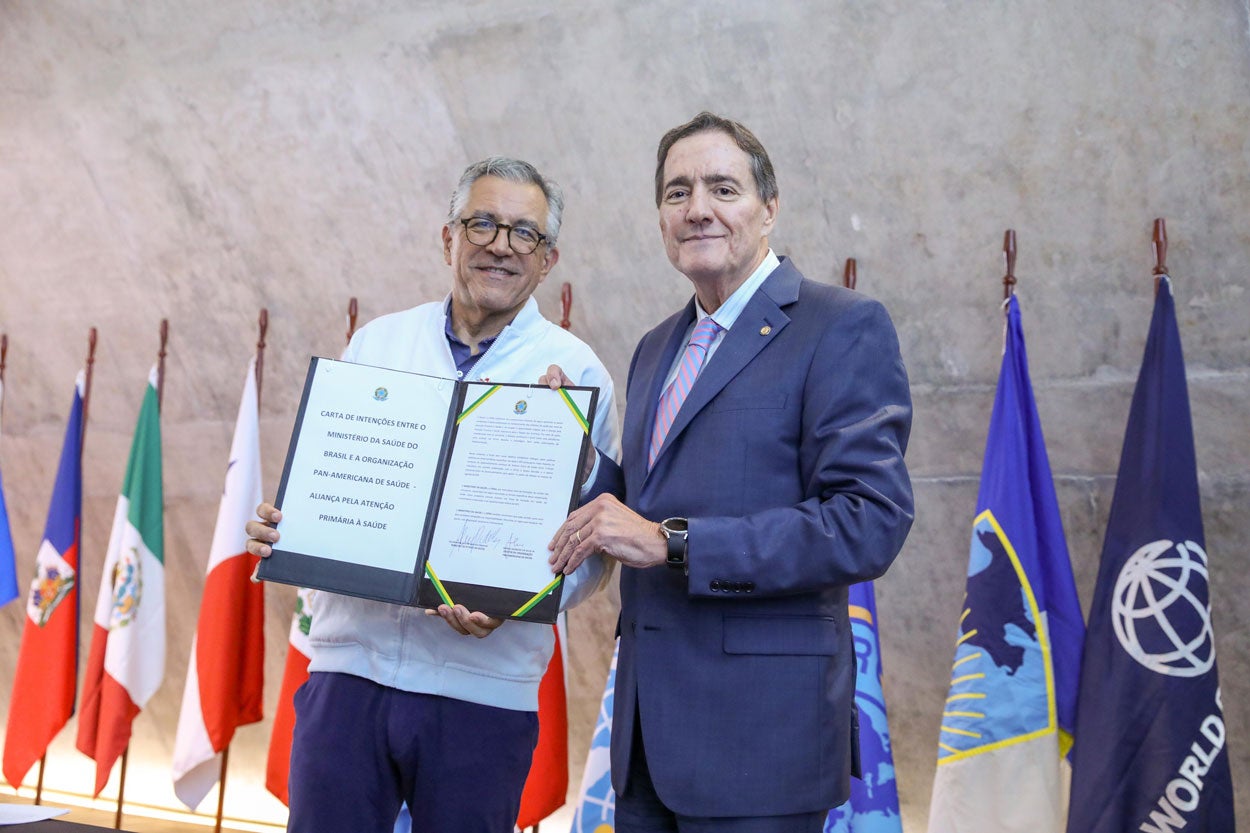
The letter of intent highlights the importance of innovation, sustained investment, and effective PHC implementation to accelerate health system transformation in the region, reduce inequalities, and improve health outcomes in the face of demographic, epidemiological, and climate challenges.
Brazil recognized the unique opportunity the Alliance represents for Latin America and expressed its willingness to work closely with PAHO, the World Bank, and the IDB to advance specific public policies and support member countries in strengthening their PHC-based systems.
In a regional context where one-third of the population faces barriers to accessing care, both financial and structural, and where progress toward universal coverage has stalled, the Alliance reaffirms that primary health care is the most cost-effective and equitable strategy to address demographic, epidemiological, and climate challenges and to ensure health systems that protect everyone, leaving no one behind.
The Alliance for Primary Health Care continues to consolidate itself as a key mechanism for promoting more equitable, accessible, and people-centered health systems.