Washington, D.C., October 31, 2025 (PAHO) – Cases of adult syphilis increased by 26% between 2020 and 2022 in the Americas—reaching 3.4 million—and by another 10% between 2022 and 2024, according to the Pan American Health Organization (PAHO).
To reverse this trend, PAHO has released a set of 15 key recommendations aimed at eliminating syphilis and congenital syphilis—preventable and curable infections that disproportionately affect pregnant women, newborns, and vulnerable populations.
The agreement stems from a regional meeting held in July 2025 in São Paulo, Brazil, which brought together representatives from 23 countries across the Americas, including ministries of health, academic institutions, civil society organizations, and public health agencies. Participants agreed that the region faces a concerning trend that requires a collective response centered on primary health care.
“One of the main factors behind this increase is the gap in access to syphilis prevention, screening, and treatment services,” said Dr. Jarbas Barbosa, PAHO Director. “Addressing this challenge requires stronger surveillance, timely diagnosis and treatment, and the integration of syphilis screening across all levels of the health system—especially in primary care, emergency services, and sexual and reproductive health services,” he added.

The document outlines 15 strategic recommendations to strengthen political and financial leadership, expand access to diagnosis and treatment, enhance surveillance systems, and foster community engagement. It also calls for inclusive policies, stronger prenatal care, expanded roles for health workers in syphilis management, improved laboratory quality control, and better access to confidential and respectful health services.
As a follow-up to this agreement, this week, PAHO convened a virtual seminar focused on political commitments and national leadership to accelerate the response to syphilis and congenital syphilis. The event brought together experts, partners, and health authorities from Argentina, Brazil, Colombia, El Salvador, Jamaica, and Paraguay, who shared their experiences in innovation and strategies to strengthen technical capacities and advance regional goals to eliminate mother-to-child transmission.

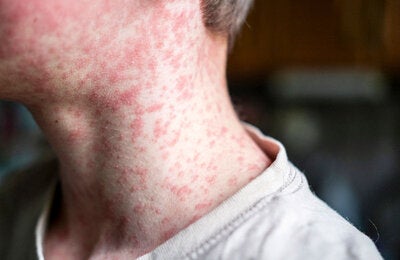
Syphilis is a bacterial sexually transmitted infection that is both preventable and curable. If left untreated, it can cause serious health problems, including neurological and cardiovascular disease. It can also be transmitted during pregnancy, leading to severe complications such as miscarriage, premature birth, stillbirth, or congenital abnormalities.
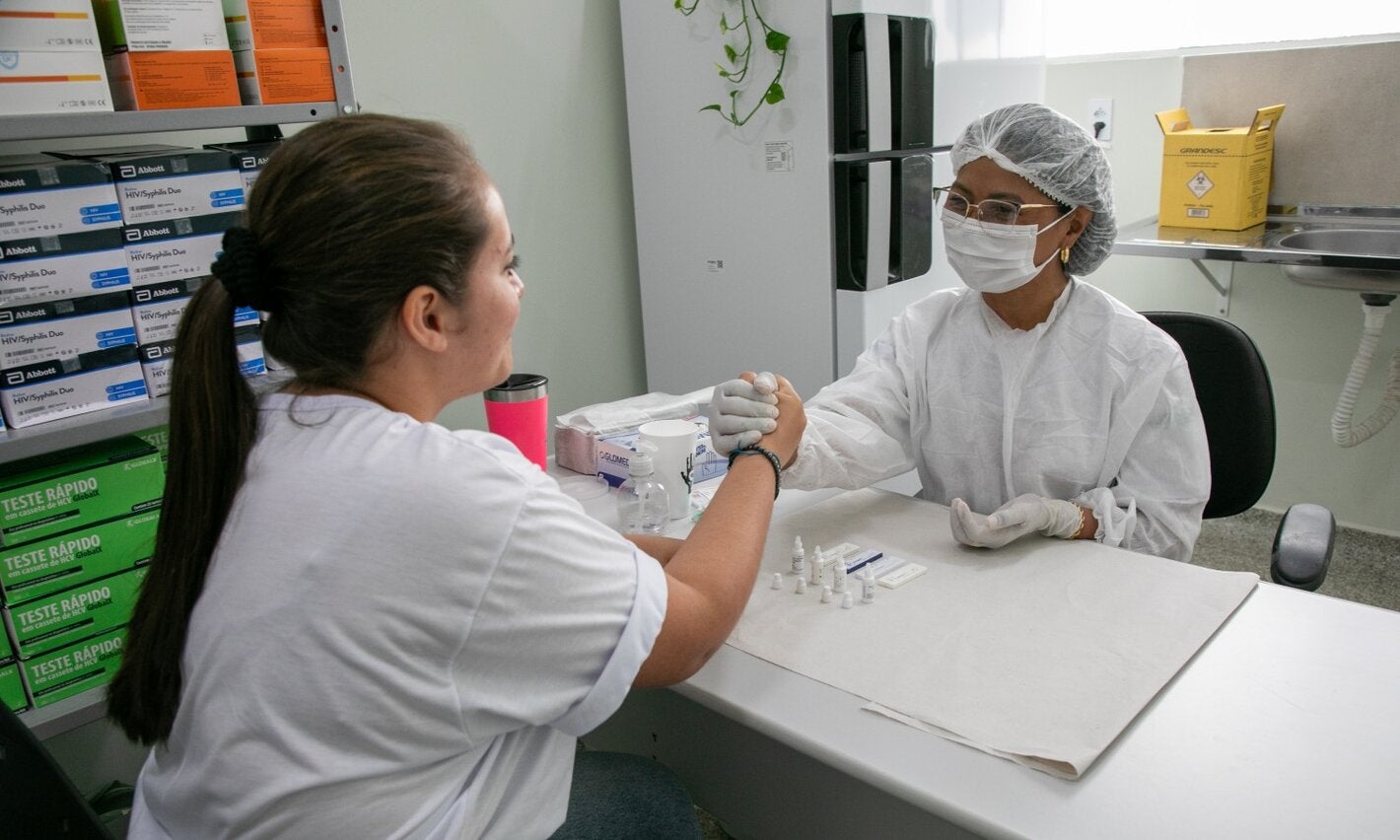
PAHO works with countries across the Americas to improve syphilis surveillance and strengthen the capacity of health personnel in prenatal care services. Through its Strategic Fund, the Organization helps Member States procure rapid diagnostic tests and medicines at lower costs, contributing to the prevention of transmission and related complications. Both syphilis and congenital syphilis are part of PAHO’s Disease Elimination Initiative, which aims to end more than 30 communicable diseases and related conditions by 2030.