PAHO/WHO
Credit
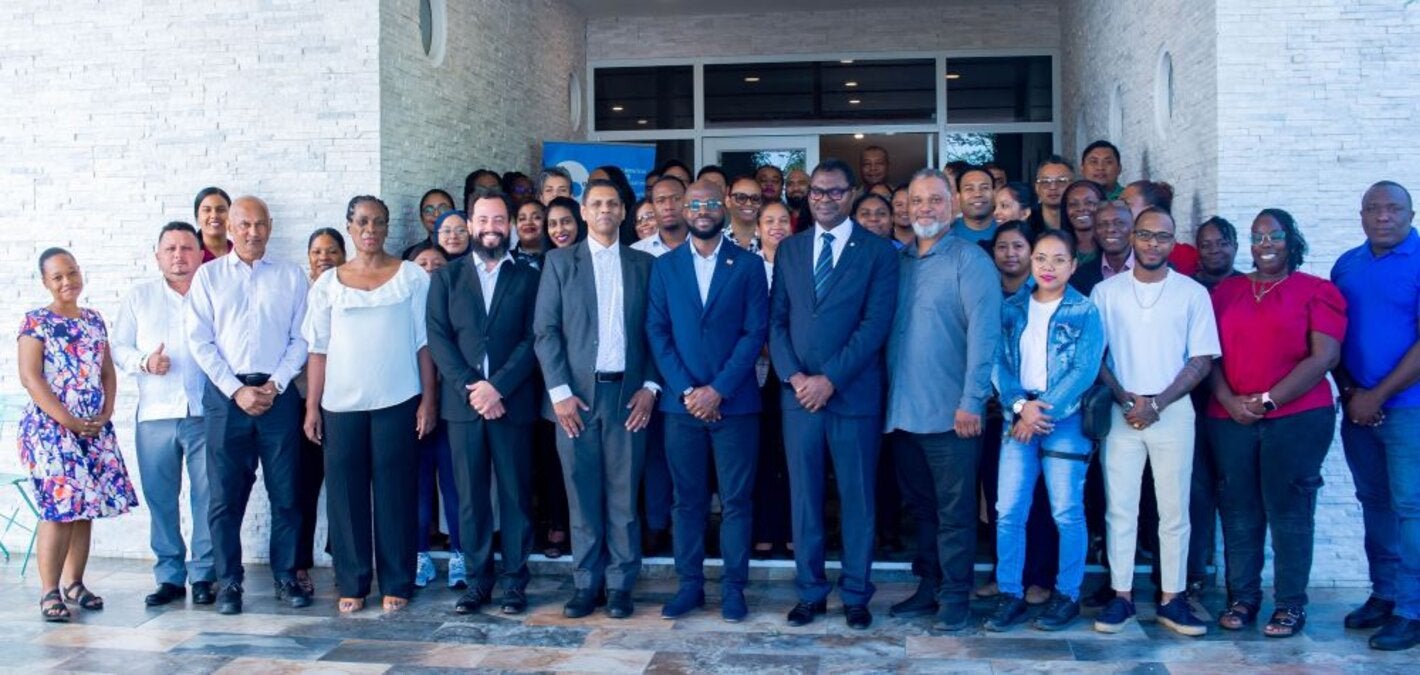
Paramaribo, Suriname October 9, 2025 (PAHO/WHO) – The Bureau voor Openbare Gezondheidszorg (BOG) Suriname, in collaboration with the Pan American Health Organization/World Health Organization (PAHO/WHO), hosted a four-day One Health Workshop on Pandemic Preparedness and Response aimed at strengthening the country’s capacity to detect and respond to zoonotic and pandemic threats. The workshop brought together experts from the human, animal, and environmental health sectors, as well as representatives from Belize, who shared their experiences in implementing a coordinated One Health platform.
The workshop, held from 6th – 9th October 2025, is part of PAHO/WHO’s ongoing technical cooperation to enhance multisectoral coordination and readiness for avian influenza and other zoonoses using a One Health framework. It featured a combination of technical presentations, interactive scenario-based exercises, and field simulations designed to strengthen how surveillance, laboratory, risk communication, and response mechanisms worked together across sectors.
“The One Health approach allows us to bridge the gap between human and animal health systems to ensure early detection of emerging threats,” said Dr Iyanna Wellington, the PAHO Health Emergencies Advisor for Suriname. “Suriname’s active engagement in this workshop demonstrates the country’s commitment to building stronger, more resilient systems capable of responding to future pandemics.”
Hands-On Learning and Cross-Country Exchange
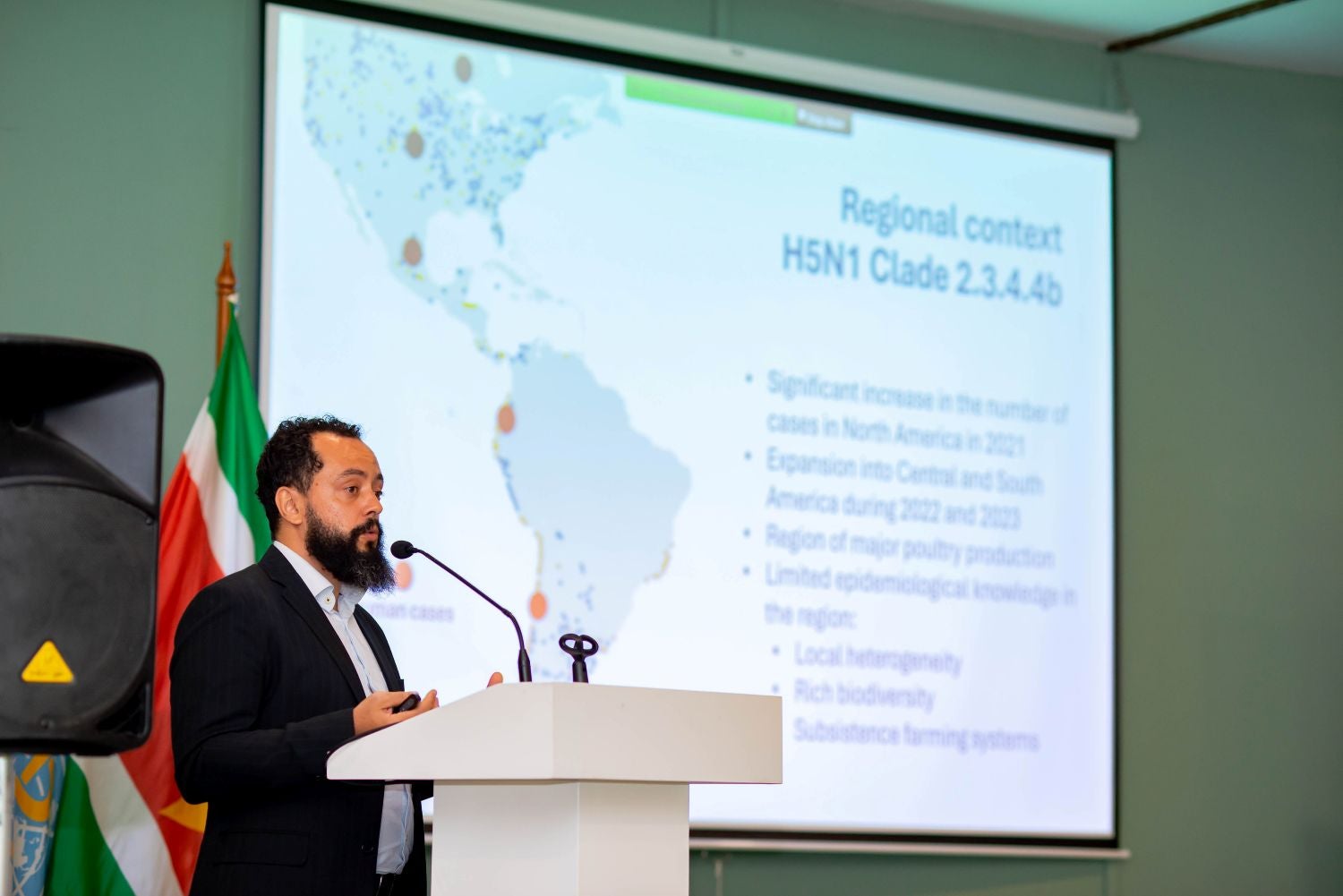
During the first day, participants explored key concepts in avian influenza, pandemic preparedness, and coordination mechanisms through mini scenarios with guiding questions that encouraged practical thinking and solving problems together. The following day, animal and human health experts from both countries conducted field visits to poultry farms as part of an avian influenza drill. This drill tested investigation procedures, sample collection, and coordination between human and animal health authorities. Over the next two days, participants applied the WHO Early Action Review (EAR) and 7-1-7 tools to identify bottlenecks in national preparedness and develop actionable plans to improve detection and response capacities. Interactive sessions on risk communication and community engagement (RCCE) further emphasized the importance of establishing trust and collaboration with communities and farmers to controlling zoonotic diseases.
By strengthening regional preparedness through collaboration, the participation of Belize significantly enhanced the workshop’s value. With a well-established One Health coordination mechanism already in place, Belizean representatives shared their experiences and lessons learned in multi-sectoral collaboration, offering practical insights that guided discussions and planning in Suriname. This bilateral exchange model demonstrated the power of South-South cooperation in strengthening regional resilience.
Funded through the WHO Pandemic Influenza Preparedness (PIP) Framework, the workshop exemplified how targeted investments in pandemic planning can foster collaboration across borders. Participants and facilitators agreed that such bilateral exchanges should continue to be encouraged, recommending that a follow-up One Health workshop be hosted in Belize within the next year, inviting Surinamese officials to participate as they advance their own national platform.
“Strengthened collaboration across countries is essential for building resilient health systems,” shared Dr. Ana De La Garza, PAHO/WHO Technical Advisor for Communicable Diseases and Emergencies in Belize. “Resilient health systems ensure a timely and coordinated response to influenza and other emerging health threats.”