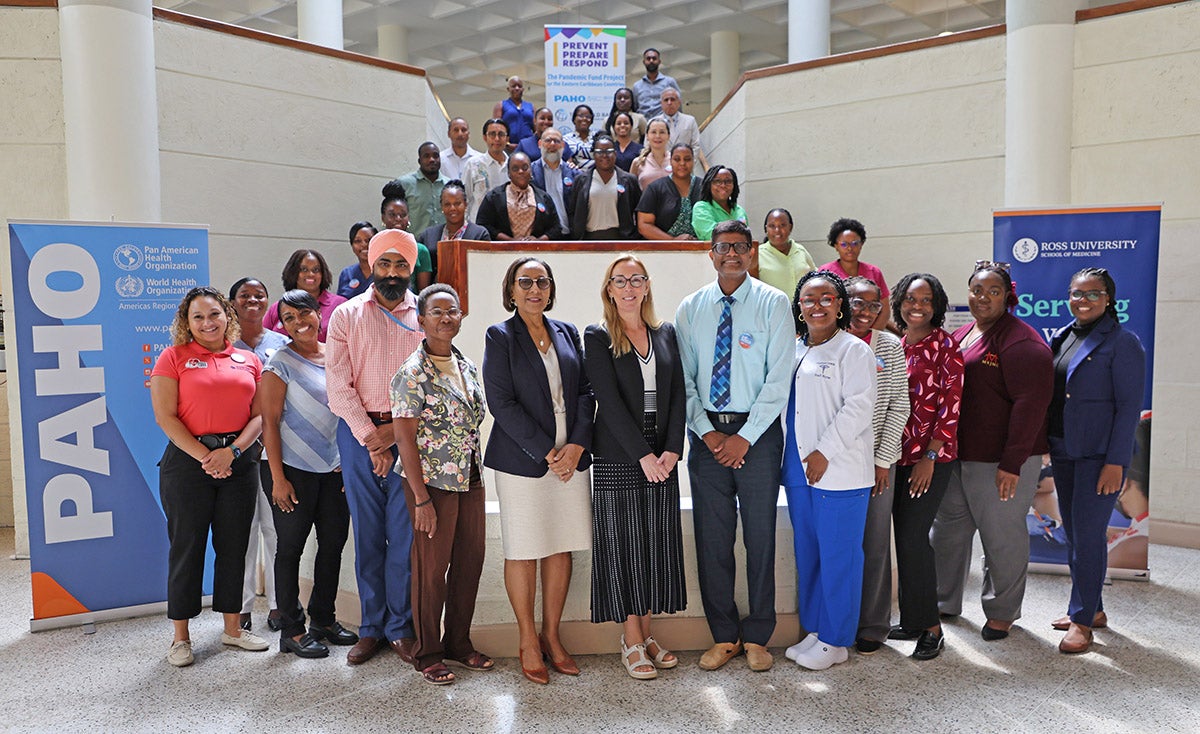
Bridgetown, Barbados, 27 August 2026 (PAHO/WHO) – Health professionals from seven Eastern Caribbean countries strengthened their clinical and critical care skills for managing severe infectious diseases and related critical illness during a practical, simulation-driven training organized by the Pan American Health Organization/World Health Organization (PAHO/WHO), in collaboration with Ross University School of Medicine (RUSM) Barbados and regional clinical experts.
Approximately 25 health professionals from Antigua and Barbuda, Barbados, Dominica, Grenada, Saint Kitts and Nevis, Saint Lucia, and Saint Vincent and the Grenadines participated in the training, which focused on building competencies required to respond effectively to patients with severe infections, including during respiratory epidemics and pandemics.
Building on a regional critical care management training held in March 2026, this second sub-regional workshop responded directly to recommendations from participants for increased simulation and practical skills training, greater emphasis on point-of-care ultrasound (POCUS), and the development of national trainers who can help replicate the training in their respective countries.
Speaking on behalf of the Chief Medical Officer of Barbados during the opening session, Dr. Leslie Rollock, Senior Medical Officer, Ministry of Health and Wellness, highlighted the importance of the programme's strong practical component.
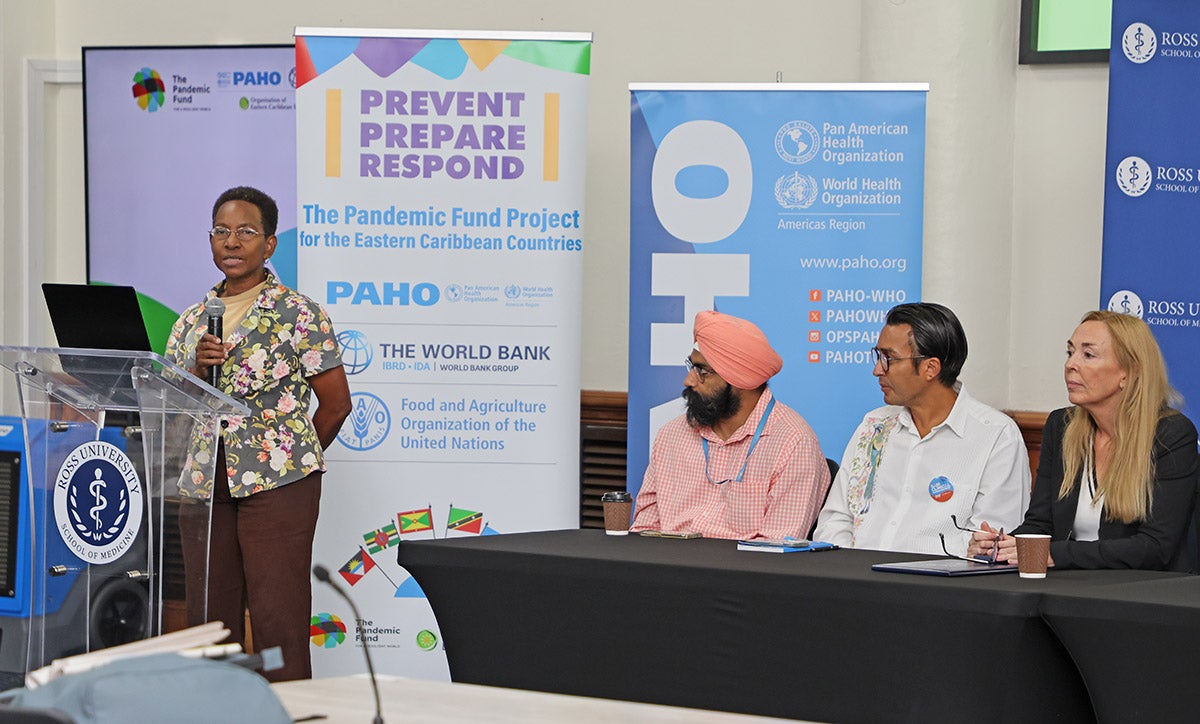
“What is particularly valuable about this programme is its emphasis on learning by doing. Approximately 60 percent of the course is dedicated to hands-on learning through simulation, practical stations, role-based exercises and structured debriefing. That approach is especially relevant to our region. In a crisis, we cannot rely solely on what we know in theory. We need teams that can translate knowledge into action quickly and safely. We need clinicians and nurses who are comfortable managing uncertainty, communicating across disciplines and making sound decisions under pressure.”
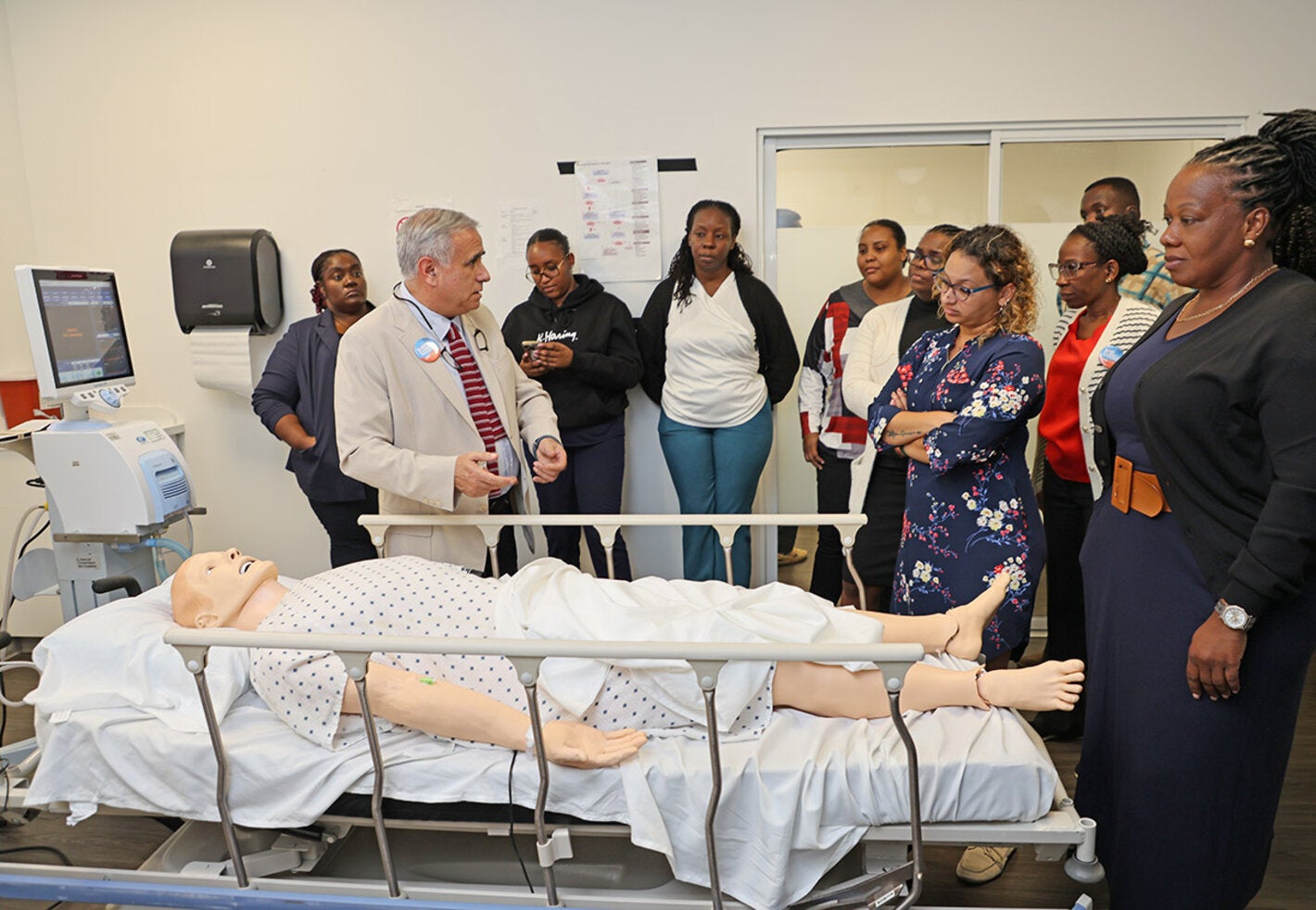
The competency-based course combined lectures and case-based discussions with high-fidelity simulation, practical stations, role-based exercises, structured debriefings and pre- and post-training assessments. Participants strengthened competencies in triage, respiratory support, sepsis management, mechanical ventilation, infection prevention and control (IPC), point of care ultrasound (POCUS) and multidisciplinary teamwork.
PAHO/WHO Representative for Barbados and the Eastern Caribbean Countries, Dr. Eva Jane Llopis, recognized the support of the Pandemic Fund, whose investment in the Eastern Caribbean is helping countries strengthen their preparedness and response capacities.
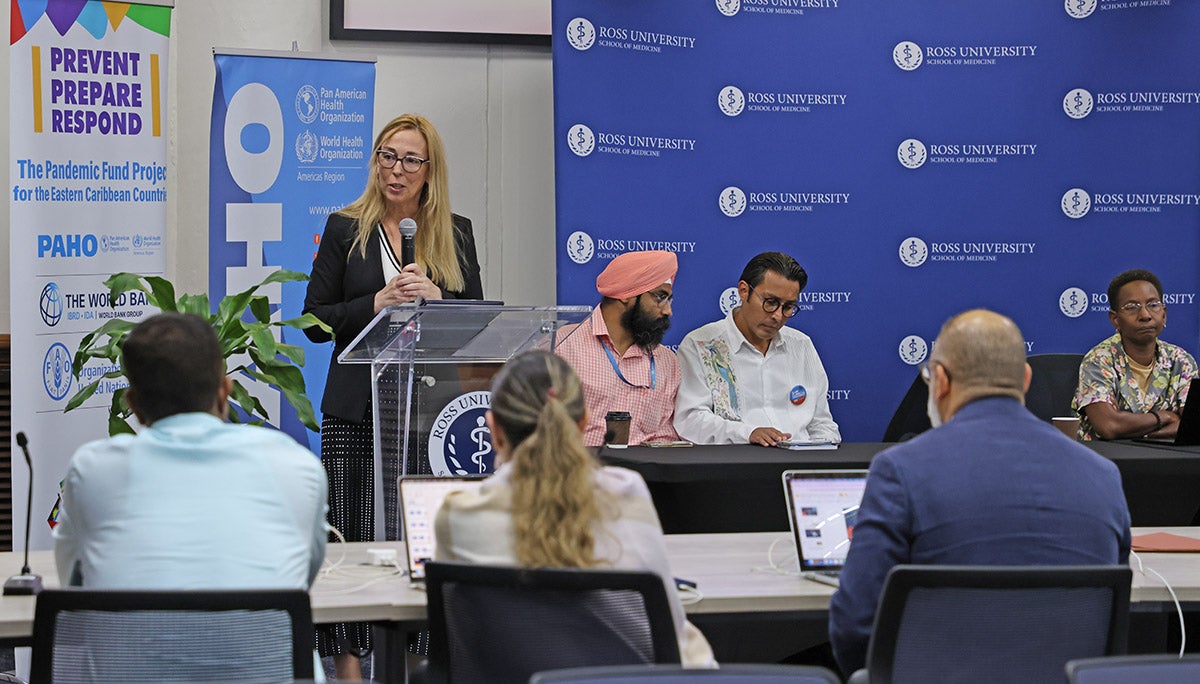
“The COVID-19 pandemic taught us many lessons. One of the most important was that critical care capacity saves lives. While surveillance systems and laboratories help us detect threats, it is the capacity of our hospitals and the skills of frontline healthcare workers that determine outcomes for patients with severe disease. Investing in critical care is therefore an investment in health security. When to intubate, and when not to, is as much a science as it is an art that is mastered with repetitive training.”
The workshop also reflects the importance of partnerships between public health institutions, countries and academic institutions in building sustainable capacity across the Eastern Caribbean.
Dr. Rhonda McIntyre, Senior Associate Dean, External Affairs and Accreditation at Ross University School of Medicine, highlighted the longstanding relationship with PAHO/WHO and the shared commitment to strengthening health systems in the region.
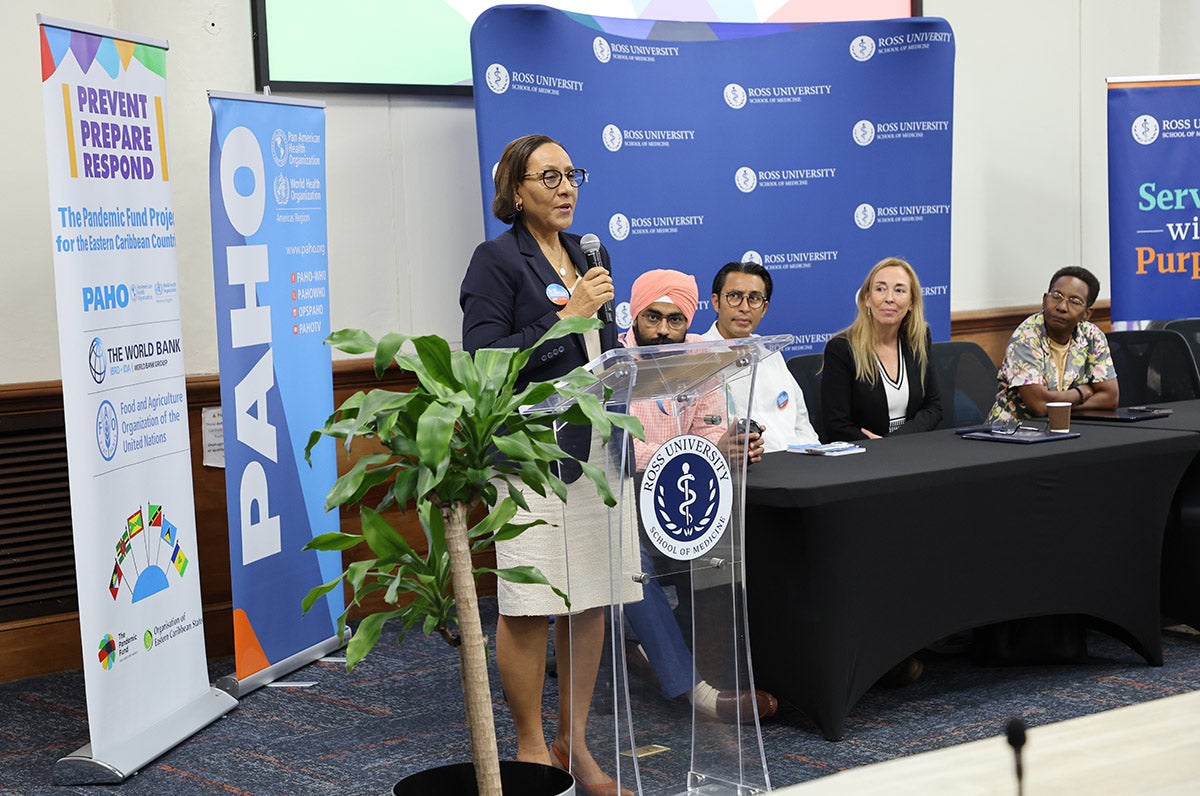
“PAHO is a long-standing and trusted regional partner, so this collaboration was a natural fit for us at Ross University. Our relationship is built on common values and a shared commitment to service, education, research, and strengthening health systems across the region. Together, we are helping to build the knowledge, skills and capacity needed to improve healthcare outcomes and strengthen preparedness for future public health challenges.”
Dr. McIntyre added that RUSM was pleased to support the training through the provision of its facilities, equipment and advanced educational technology, including its state-of-the-art simulation facilities, providing participants with an environment designed to strengthen both critical care knowledge and practical skills.
An important component of the training was the development of national capacity for future replication. Participants included adult and paediatric intensive care clinicians and critical care/emergency nurses, helping to strengthen multidisciplinary approaches to the management of critically ill patients and build a cadre of professionals who can support continued capacity development within their countries.
The training is expected to contribute to improved clinical competencies, stronger regional professional networks, national plans for replication of critical care training, and enhanced preparedness across the Eastern Caribbean for respiratory epidemics, pandemics and other public health emergencies.
The workshop was supported through the Pandemic Fund Project for Eastern Caribbean Countries, which is strengthening prevention, preparedness and response capacities for emerging health threats across participating countries.