Q&A with Ana Lucianez Perez, PAHO’s Neglected Infectious Diseases Advisor
Washington, DC, 29 January 2026 (PAHO)- Every January 30, the world marks World Neglected Tropical Diseases (NTD) Day, a moment to shine a light on a group of preventable and treatable diseases that continue to affect millions of people, particularly those living in conditions of poverty and with limited access to health services.
PAHO estimates that more than 200 million people in the Region of the Americas are affected by one or more NTDs, including Chagas disease, leprosy, leishmaniasis, trachoma, schistosomiasis, and others that disproportionately impact vulnerable and underserved populations. These diseases usually carry a heavy health, social, and economic burden, and often cause lifelong disability, stigma, and hardship.
To mark this year’s commemoration, PAHO is highlighting the collaboration of government, health workers, and civil society in advancing the control and elimination efforts.
In this Q&A, Ana Lucianez Perez, PAHO advisor in Neglected Infectious Diseases, shares insights from her work supporting countries to strengthen surveillance, improve data collection and management, and close gaps to reduce the burden of NTDs across the Region.

What are these tropical diseases considered ‘neglected’ if they continue to affect so many people?
They’re considered neglected because, despite being preventable and treatable, they receive far less political attention and fewer resources than other health issues. They mainly affect people living in poverty, often in places with limited access to health services, clean water, and sanitation.
Another reason is visibility. NTDs tend to affect marginalized and underserved populations, including Indigenous communities, often in remote areas. When cases are concentrated in these settings, the overall burden can appear low in national statistics, even though the impact on affected communities is enormous.
Knowing this, surveillance and data collection seem to be critical when it comes to preventing, controlling, and eliminating NTDs.
Absolutely. High-quality data are essential for designing interventions that actually respond to what is happening on the ground. Without reliable information, countries can’t see where transmission is occurring, decide which actions are needed, or track whether those actions are working. When data are missing or incomplete, it doesn’t just affect planning, it allows transmission to continue unchecked. That slows progress and undermines efforts to prevent, control, and ultimately eliminate these diseases.
What are some of the main challenges Ministries of Health face when collecting and managing high-quality data on NTDs?
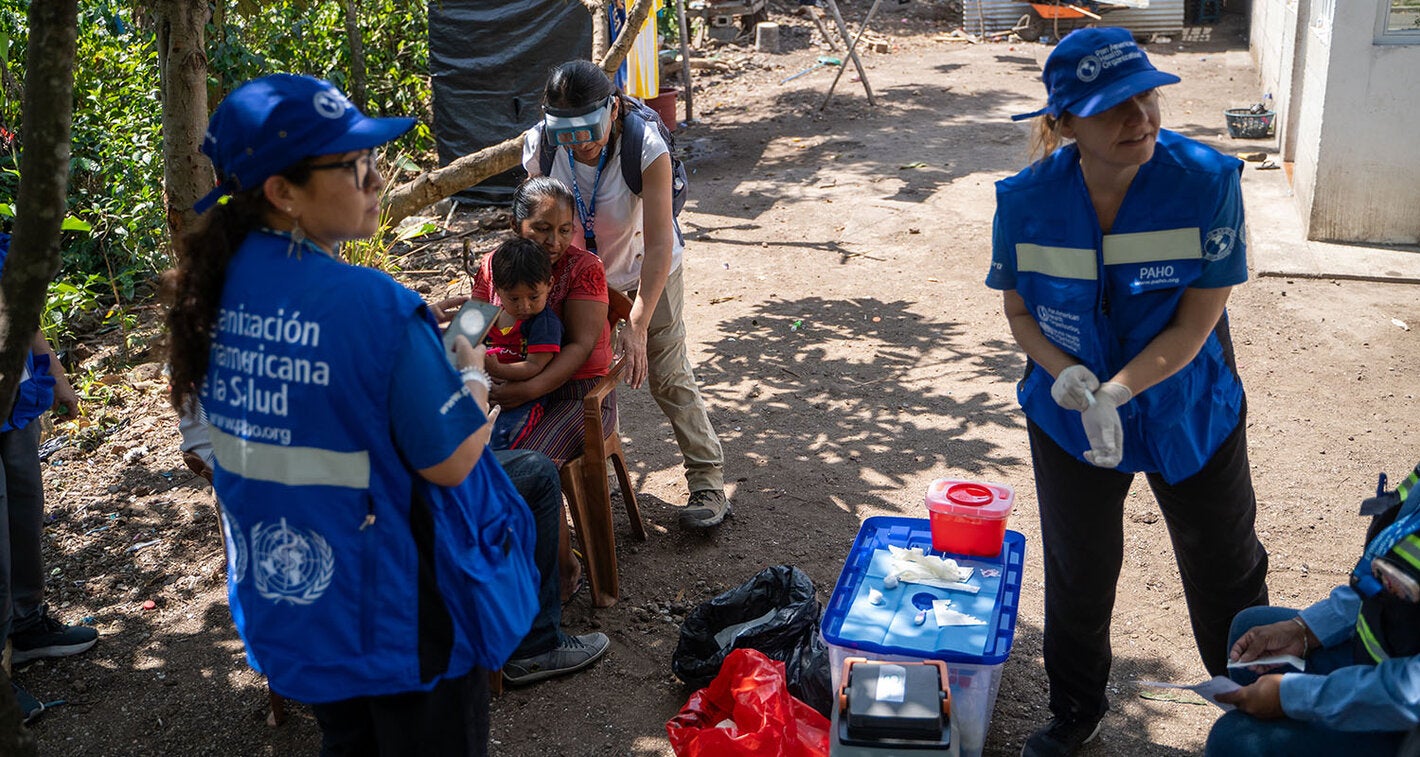
One of the biggest challenges is that NTDs mostly affect people living in remote, rural, or underserved areas, where health services and trained personnel are limited. Simply reaching these communities can be logistically complex and expensive.
On top of that, access to diagnostics is often limited, surveillance systems may be weak, and data collection can be fragmented. All of this leads to underreporting. And when the data aren’t reliable, the true burden of disease stays hidden, making it harder to advocate for the funding and human resources that are really needed.
What are the most effective approaches to preventing and eventually eliminating NTD?
Improving surveillance and data quality has been central to success in several countries. For example, better monitoring has played a key role in eliminating lymphatic filariasis in parts of the Americas over the past decade. Strong surveillance allows countries to document when transmission has been interrupted, guide mass drug administration, and meet the requirements for verification. Ultimately, this is what enables countries to receive WHO validation for eliminating a disease as a public health problem, meaning the country has reduced transmission to a level where the disease no longer poses a major public health threat.
In recent years, NTDs have gained greater visibility due to various strategies, such as PAHO’s Disease Elimination Initiative, which aims to eliminate more than 30 communicable diseases and related conditions by 2030, including twelve from the NTD group. This regional push has helped prioritize resources, align national plans, and accelerate progress toward elimination goals for diseases like trachoma, onchocerciasis, human rabies transmitted by dogs, and several others.
Why are NTDs less visible in public health systems and public policy decisions?
NTDs often cause chronic illness, long-term disability, and stigma rather than immediate death. Because of that, they don’t always attract the same attention as more acute or high-profile diseases. Take leprosy, for example. If it isn’t diagnosed and treated early, it can lead to lifelong physical impairments and social exclusion. These impacts are devastating for individuals and communities, but they’re not always captured by traditional health indicators, which contributes to NTDs being overlooked in policy discussions.
PAHO and its partners have mapped NTDs across the region and identified major “hotspots.” Why is mapping so important, and how does it change the way countries respond?
Mapping helps link data to geography. It shows where transmission is concentrated and who is most affected. Countries can then respond more strategically, focusing interventions in high-risk areas instead of applying the same approach everywhere. For instance, mapping of soil-transmitted helminths, such as tapeworms, has helped countries identify priority municipalities, expand access to diagnosis and treatment, and make better use of limited resources to reduce prevalence.
Where has PAHO supported partners with data and mapping to respond to NTDs across the Region of the Americas?
Data and mapping have been critical in eliminating trachoma as a public health problem in the Americas. In Mexico, mapping combined with targeted interventions—like mass drug administration, community engagement, and collaboration with water, sanitation, and hygiene (WASH) partners—led to elimination in 2017. In Guatemala, mapping and strengthened surveillance are guiding targeted interventions and putting the country on track to achieve elimination in the coming years. These experiences show how combining data, health services, and cross-sector collaboration can lead to sustainable results.
What progress has PAHO and country partners made to address leprosy in the Region?
Several countries are making important progress. Chile, Uruguay, most of Central America, and parts of the Caribbean are reporting none or low numbers of new cases and moving closer to elimination milestones. PAHO and its partners have focused on strengthening early diagnosis, treatment, and surveillance, while also addressing stigma, preventing disability, and reaching Indigenous and other marginalized populations. At the same time, Brazil continues to face a significant burden—it reports more than 100 new cases each year and accounts for over 90% of cases in the Americas. This underscores the need to sustain efforts, improve data quality, and focus interventions where they are most needed.
On World NTD Day, what is PAHO’s key message to governments, partners, and the public?
One of PAHO’s key messages is that these diseases are not just numbers—they represent people and communities that must not be left behind. Investing in better data systems is essential to make NTDs visible, guide equitable action, strengthen accountability, and accelerate progress toward elimination. Most NTDs can be eliminated, and doing so is not only a moral imperative but also a matter of human rights and equity. Without reliable data and surveillance, neglect persists; with data, elimination becomes achievable.