The International Day of Indigenous Peoples on August 9 highlights the theme, “Recognizing Indigenous Midwifery: Safeguarding Life and Well-being.” This international mobilization draws attention to the role of Indigenous midwives as guardians of systems of knowledge, values, and practices developed and passed down over generations.
The United Nations recognizes the role of Indigenous midwifery in connecting territory, spirituality, community, and ways of life, as well as its contribution to the continuity of knowledge, the strengthening of cultural identity, and community care. This practice, however, still faces structural barriers and discrimination, as well as insufficient recognition within formal health care systems, which impacts indigenous women’s access to culturally appropriate maternal care.
In this context, other initiatives by BIREME/PAHO/WHO help organize and expand access to information, preserve memories, and highlight the knowledge and experiences of indigenous peoples. Among them are the Virtual Health Library (VHL) for Indigenous Peoples, the collection “Fala parente! A COVID-19 chegou entre nós,” preserved by the Digital Memorial of the COVID-19 Pandemic, and the Thematic Webpage on Traditional Birth Attendance in the Americas, available in the World Health Organization’s Global Library of Traditional Medicine.
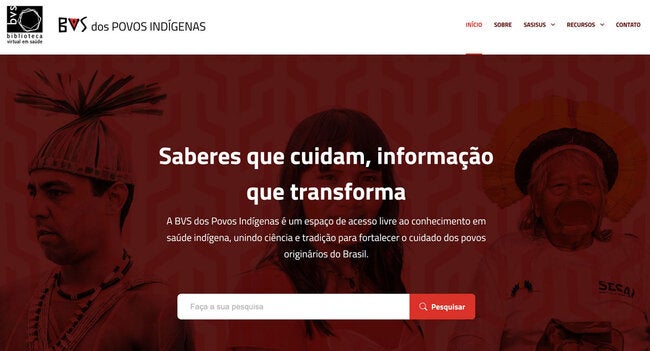
The Virtual Health Library of Indigenous Peoples contains more than 14,000 records
Developed by BIREME/PAHO/WHO in partnership with the Secretariat for Indigenous Health (SESAI) of the Brazilian Ministry of Health, the Indigenous Peoples Virtual Health Library brings together and organizes, in a single space, information sources, documents, and resources focused on the health of indigenous peoples.
Structured with the Indigenous Health Care Subsystem (SasiSUS, the Portuguese acronym) as a reference, the VHL aims to facilitate access to knowledge produced in this context and highlight the diversity of information related to indigenous health. The portal features pages dedicated to the Special Indigenous Health Districts (DSEI, the Portuguese acronym) and allows for specific searches by DSEI, indigenous people, and social oversight, aligning the organization of information with the structure and stakeholders of SasiSUS itself.
Currently, the VHL comprises eight databases, besides the SasiSUS Archive, totaling more than 14,250 records. Developed to compile and preserve the institutional and technical memory of the subsystem, the SasiSUS Memory already contains more than 700 records on indigenous health within the context of SasiSUS. Furthermore, the portal expands access options through various resources and information sources, including legislation, online resources, events, and news related to the health of indigenous peoples.
Another highlight is the Window of Knowledge, which organizes and presents selected content on priority topics. Two are already available: Indigenous Medicines in Brazil and Emergency in the Yanomami Indigenous Territory. The VHL also provides a SasiSUS Timeline, which presents historical milestones related to the establishment and development of indigenous health in Brazil since 1910, allowing users to trace more than a century of this history.
The initiative is constantly evolving. New content continues to be incorporated into the information sources, and new products are being developed for release later in 2026, expanding the avenues for accessing, organizing, preserving, and disseminating knowledge about the health of indigenous peoples.
With this set of sources and resources, the VHL supports professionals, managers, researchers, and other stakeholders involved with SasiSUS, contributing to memory preservation, access to information, and visibility of the knowledge in indigenous health.
“Fala, Parente!” preserves indigenous voices on the pandemic
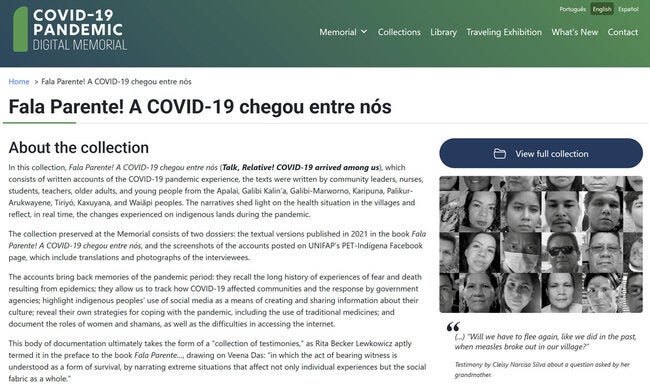
The preservation of Indigenous experiences and voices is also featured in the Digital Memorial of the COVID-19 Pandemic, an initiative of Brazil’s Ministry of Health, coordinated by the Ministry of Health’s Cultural Center (CCMS), in partnership with PAHO/WHO through BIREME, and in collaboration with the Center for Digital Humanities at the Universidade Estadual de Campinas (CHD/Unicamp).
The collection “Fala parente! A COVID-19 chegou entre nós” brings together 155 digital documents related to the pandemic experiences of leaders, nursing professionals, students, teachers, older adults, and young people from the Apalai, Galibi Kalin’a, Galibi-Marworno, Karipuna, Palikur-Arukwayene, Tiriyó, Kaxuyana, and Waiãpi people.
The collection was compiled from 100 accounts published between May and August 2020 by the Tutorial Education Program of the Intercultural Indigenous Teacher Education Program (Indigenous PET) at the Universidade Federal do Amapá (UNIFAP). Originally written in Portuguese, the accounts were translated into Spanish, French, and English. The collection includes the text versions published in the book “Fala, Parente! A COVID-19 chegou entre nós” and screenshots of the accounts shared on UNIFAP’s PET-Indigenous Facebook page, accompanied by translations and photographs of the participants.
The documents chronicle the changes that took place in these territories during the health emergency, the difficulties in accessing healthcare and the internet, the use of social media to produce and share information, and the communities’ own strategies for coping with the pandemic. They also highlight the role of women, shamans, and traditional medicine in caring for and protecting the communities.
The inclusion of this content in the Memorial ensures its long-term digital preservation and broadens access to narratives produced by the indigenous peoples themselves, recognizing them as sources of information, collective memory, and knowledge about one of the greatest health crises of this century.
TMGL raises awareness of traditional birth attendance in the Americas
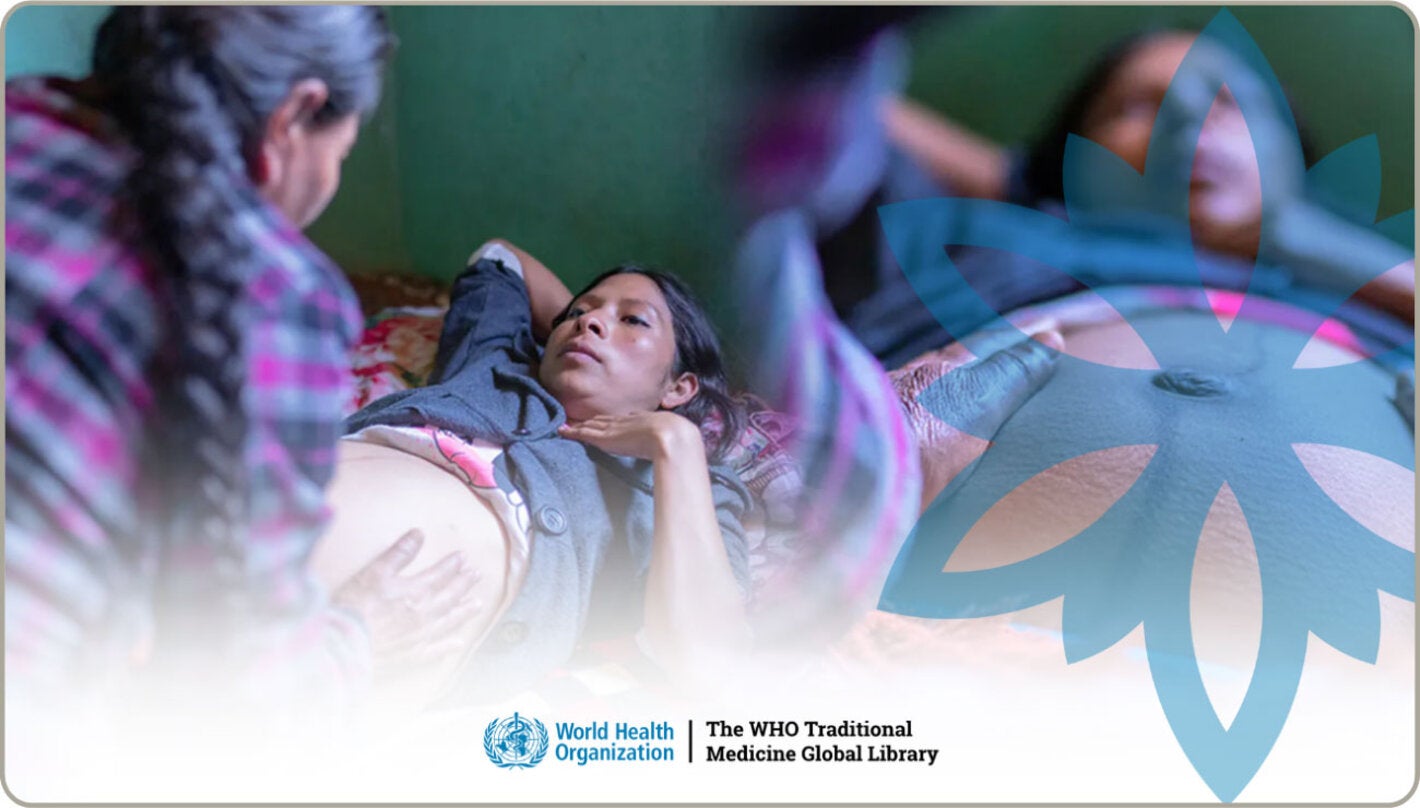
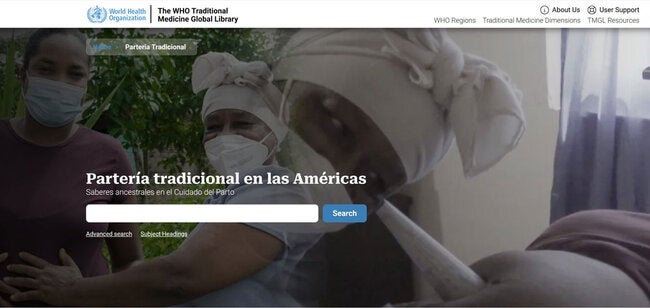
The 2026 international agenda is directly reflected on the thematic webpage Traditional Birth Attendance in the Americas, available on the World Health Organization’s Traditional Medicine Global Library of (WHO TMGL), a global WHO platform developed using BIREME’s technological infrastructure.
The webpage presents traditional birth as a living system of knowledge, transmitted through languages, values, identity, and ways of relating to life and to territories. It also highlights the challenges to its recognition, to its effective integration with health systems, and to overcoming the discrimination faced by those who practice it.
The content is organized into four categories — History and Origins; Practices and Knowledge; Testimonials and Voices; and Dialogues of Knowledge — and includes publications, regulatory frameworks, multimedia materials, recent literature reviews, news, events, stories, and videos.
By bringing together articles, testimonials, educational materials, and interactive resources, this webpage offers a diverse and up-to-date overview of indigenous and Afro-descendant midwifery in the Region of the Americas. This service helps document and highlight this knowledge, promote intercultural dialogue, and support health policies and practices that recognize the value of traditional midwives for maternal and neonatal health and for the well-being of communities.
Technical Cooperation to promote Health for All
Together, the three initiatives address different dimensions of information and knowledge management: the VHL organizes sources and resources to support indigenous health in Brazil; the Digital Memorial preserves experiences and voices from local communities; and the TMGL expands the regional and global circulation of knowledge on traditional care practices.
These resources support research, training, management, public policy formulation, and the development of culturally appropriate forms of care, grounded in respect for the rights, knowledge, and ways of life of indigenous peoples. By developing and coordinating these solutions, BIREME advances its mission to democratize access to, publication of, and use of scientific and technical information, transforming knowledge into support for decisions and actions that promote health for all.
Article originally published in the BIREME Bulletin No. 113. Subscribe to receive it.