Maintaining a healthy diet throughout life prevents not only malnutrition in all its forms but also a variety of NCDs and other health conditions. However, the increase in the production of processed foods, rapid urbanization, and lifestyle changes have led to a shift in eating patterns. People now consume more foods high in calories, fats, free sugars, and salt/sodium, and many do not eat enough fruits, vegetables, and other dietary fibers.
The exact composition of a diverse, balanced, and healthy diet varies according to the individual characteristics of each person (age, sex, lifestyle, and level of physical activity), cultural context, locally available foods, and eating habits. However, the basic principles of what constitutes a healthy diet remain the same for everyone.
- A healthy diet helps protect against malnutrition in all its forms, as well as against non-communicable chronic diseases (NCDs), including diabetes, cardiovascular disease, stroke, and cancer.
- Unhealthy eating and lack of physical activity are the main global health risks.
- Healthy eating practices begin early in life. Breastfeeding, for example, promotes growth and improves cognitive development. Furthermore, it can have long-term health benefits, reducing the risk of obesity and overweight, as well as the development of NCDs.
- Calorie intake should be balanced with calorie expenditure. To avoid unhealthy weight gain, fats should not exceed 30% of total calorie intake (1, 2, 3).
- Saturated fats should represent less than 10% of total calorie intake. Trans fat consumption, in turn, should be less than 1% of total consumption. To make this possible, fat consumption should be modified to reduce saturated and trans fats in favor of unsaturated fats (3), with the aim of eliminating industrially produced trans fat (4, 5, 6).
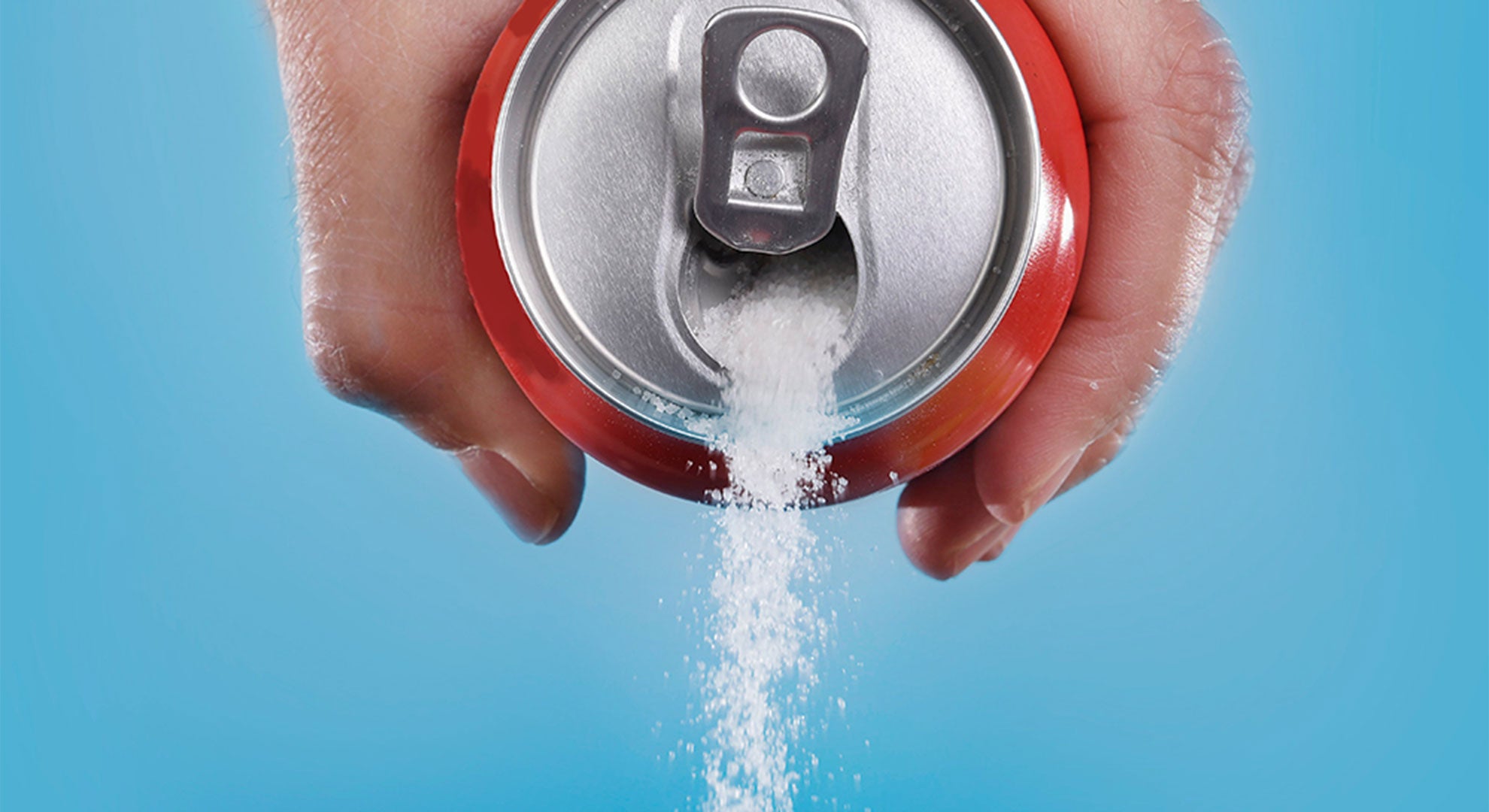
- Limiting the consumption of free sugars to less than 10% of total caloric intake (2, 7) is part of a healthy diet. A further reduction to less than 5% is suggested for additional health benefits (7).
- Keeping daily salt consumption below 5g (the equivalent of less than 2g of sodium) helps prevent hypertension and reduces the risk of cardiovascular disease and stroke among the adult population (8).
- WHO Member States have agreed to reduce the world's population's salt intake by 30% by 2025. They have also agreed to halt the rise in diabetes and obesity among adults and adolescents, as well as childhood overweight, by 2025 (9, 10).
For adults, a healthy diet includes:
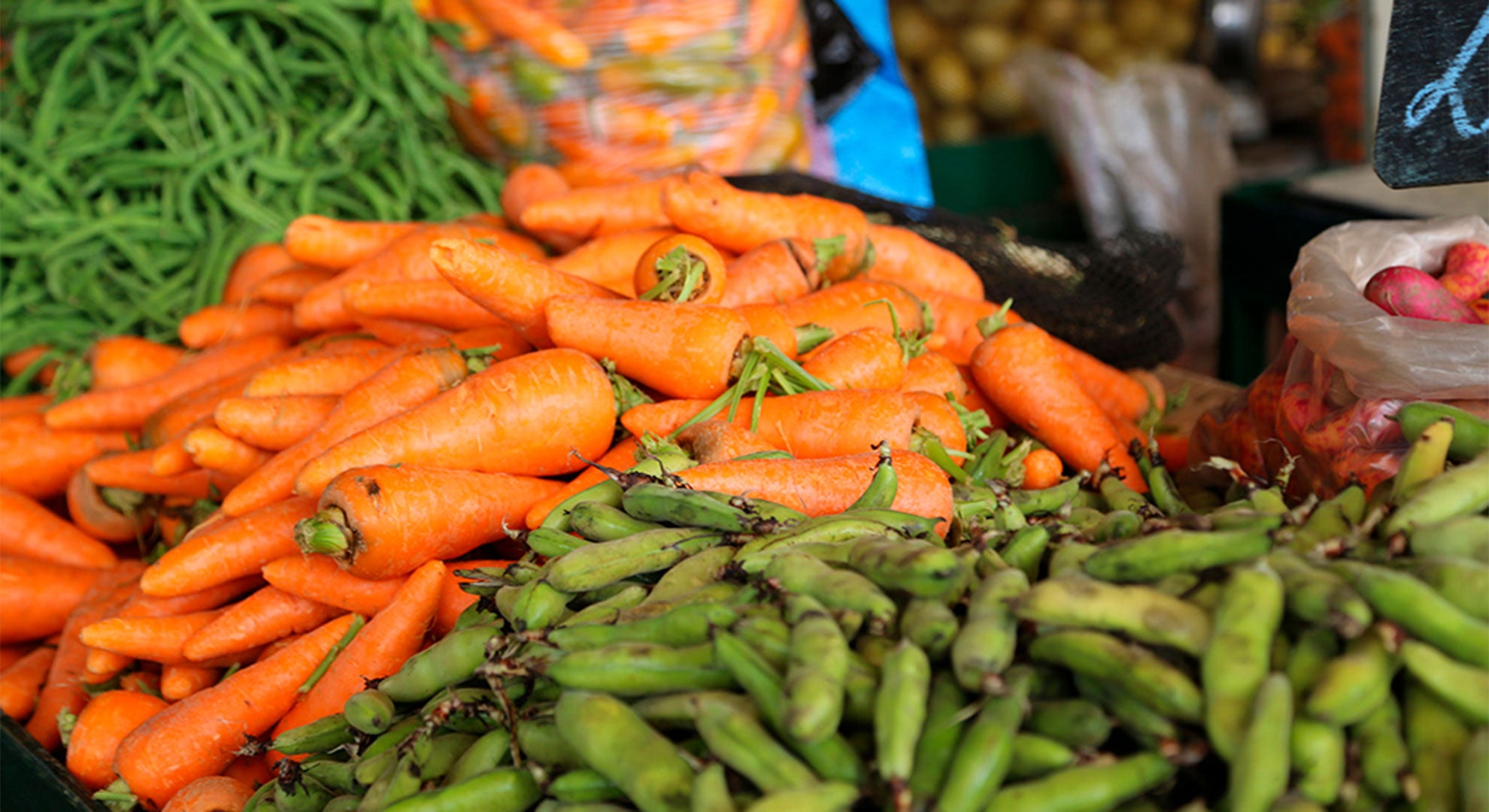
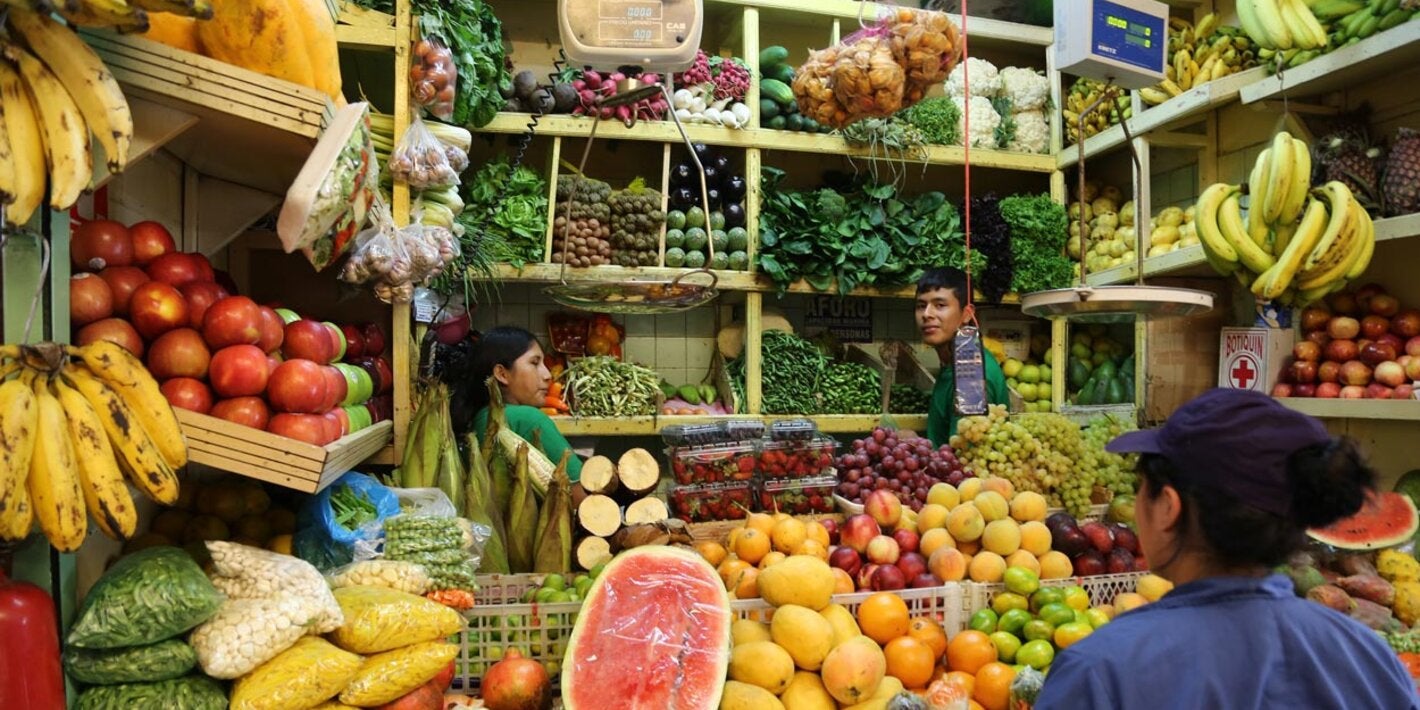
- Fruits, vegetables, legumes (such as lentils and beans), nuts, and whole grains (such as corn, oats, wheat, and brown rice).
- At least 400g (the equivalent of five servings) of fruits and vegetables per day (2), excluding potatoes, sweet potatoes, cassava, and other tubers.
- Less than 10% of total caloric intake from free sugars (2, 7), which equates to 50g (or about 12 teaspoons) for a person with a healthy body weight who consumes about 2,000 calories per day. Ideally, consumption should be less than 5% of total caloric intake for additional health benefits (7). Free sugars are all sugars added to foods or beverages by manufacturers, cooks, or consumers, as well as sugars naturally present in honey, syrups, fruit juices, and fruit juice concentrates.
- Less than 30% of daily caloric intake should come from fats (1, 2, 3). Unsaturated fats (present in fish, avocados and nuts, as well as sunflower, soybean, canola and olive oils) are preferable to saturated fats (found in meats, butter, palm and coconut oil, cream, cheese, ghee and lard) and trans fats of all types, especially those produced industrially (baked and fried foods, snacks and pre-packaged foods such as frozen pizzas, pies, biscuits, cookies, oils and creams), as well as fats found in meats and dairy products from ruminant animals such as cows, sheep, goats and camels. It is suggested that saturated fat intake be reduced to less than 10% of total caloric intake and trans fat intake to less than 1% (5).
- Less than 5g of salt per day, the equivalent of about one teaspoon (8). The salt should be iodized.
For babies and young children, a healthy diet includes:
- In the first two years of a child's life, optimal nutrition promotes healthy growth and improves cognitive development. It also reduces the risk of obesity and overweight, as well as preventing the development of NCDs later in life.
- The advice for healthy eating during infancy and childhood is the same as that given to adults, with the following points being especially important:
- Babies should be exclusively breastfed for the first six months of life.
- They should be breastfed continuously until two years of age or more.
- From six months onwards, breastfeeding should be supplemented with different safe and nutritious foods. It is not recommended to add salt or sugar to these foods.
(Fact sheet updated January 2019)