In the Region, 24 countries have adopted the single-dose schedule for the HPV vaccine, but greater efforts are needed to expand screening and treatment.
Washington, D.C., February 3, 2026 (PAHO) – On World Cancer Day (February 4), the Pan American Health Organization (PAHO) called on countries to accelerate efforts to achieve cervical cancer 2030 elimination targets in the Americas, warning that, with only five years remaining, the current pace puts reaching the goals at risk, despite progress in vaccination.
Each year, over 78,000 women are diagnosed with cervical cancer in the Americas, and more than 40,000 die from the disease. Eighty-three percent of these deaths occur in Latin America and the Caribbean, where mortality rates are three times higher than in North America. These figures reflect deep inequalities in access to prevention, early detection, and timely treatment services.
Cervical cancer is one of more than 30 diseases and related conditions that PAHO aims to eliminate as part of its Disease Elimination Initiative. To achieve this goal, countries must meet three targets by 2030: reach 90% coverage of human papillomavirus (HPV) vaccination among girls before age 15; screen 70% of women with high-performance tests at ages 35 and 45; and ensure that 90% of women with precancerous lesions or invasive cancer receive treatment.
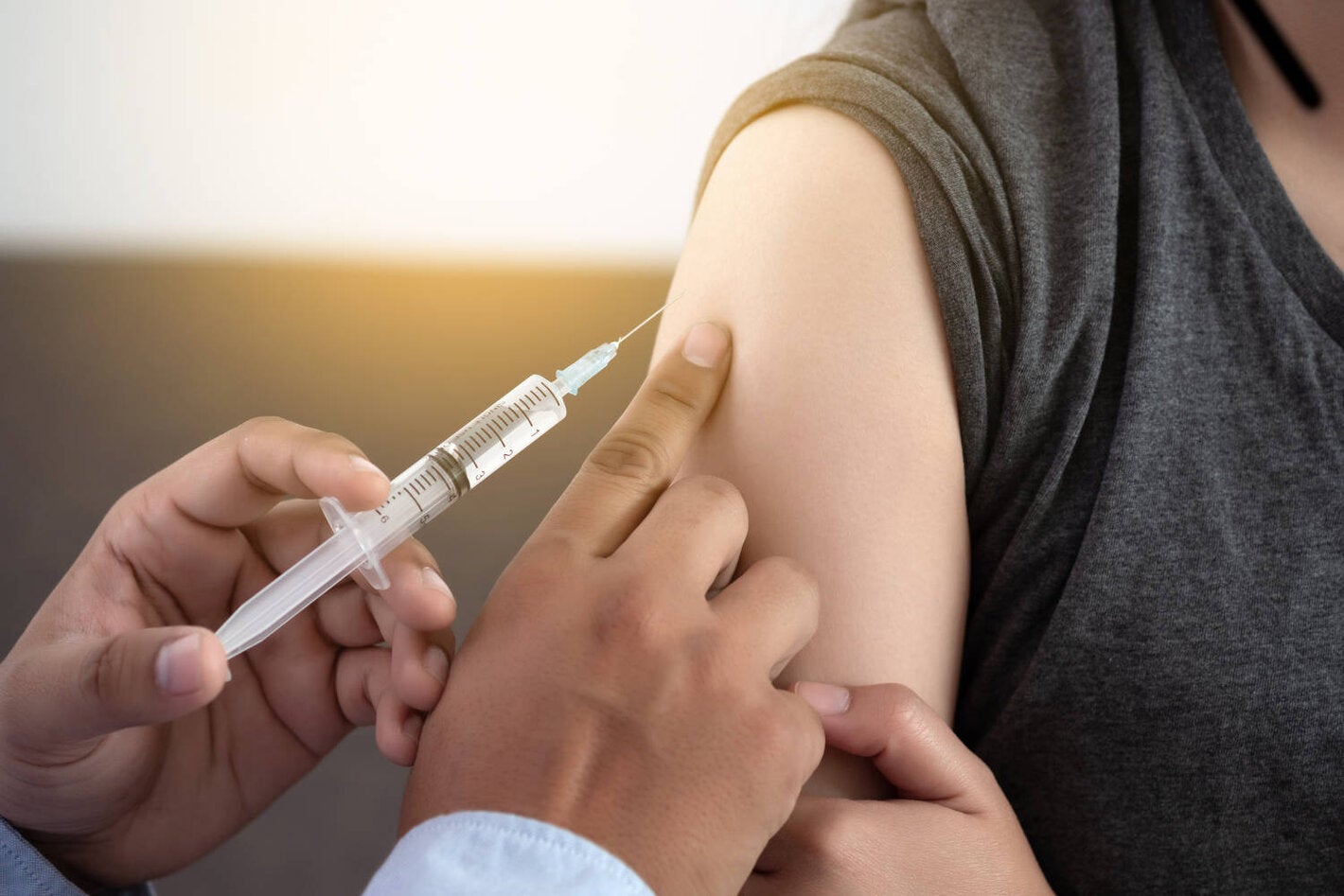
“Important progress is already being seen in the Region,” said PAHO Director Dr. Jarbas Barbosa in a video message. “The HPV vaccine is available in 49 of the 51 countries and territories of the Americas, which has a programmatic coverage of 70% for the first dose of the vaccine among women in the region. In addition, 24 countries and territories have adopted a single-dose schedule, which significantly increases coverage,” he added.
Challenges still persist, particularly in the areas of screening and treatment. Although 14 countries have introduced HPV testing as part of their screening programs, coverage remains low and data availability is still limited. Significant gaps also exist in treatment, as only 18 countries report having radiotherapy services available.
If current trends continue, deaths from cervical cancer in the Americas are projected to exceed 46,200 by 2030, underscoring the urgency of accelerating the implementation of cost-effective interventions that are already available.
To speed progress toward elimination, PAHO provides technical cooperation to countries in the development of national plans for comprehensive cervical cancer care. Through the Regional Revolving Funds, Member States can procure HPV vaccines and screening tests, colposcopes, thermal ablation devices, and electrosurgical equipment at affordable prices. Integrating these technologies into primary health care helps close gaps and ensures that all women, regardless of where they live, have access to life-saving services.
PAHO also works with strategic partners to strengthen the response. Collaboration with Unitaid and the Spanish Agency for International Development Cooperation (AECID) seeks to reinforce prevention, detection, and care for cervical cancer in the Americas.
As part of the commemoration of World Cancer Day, whose theme this year is “United by Unique,” PAHO will hold a virtual seminar on February 4 at 10:00 a.m. (Washington, D.C. standard time), where experiences and joint actions to achieve elimination targets by 2030 will be shared, along with the presentation of the planning tool for HPV screening and treatment. Visit this link to register for the seminar.