La Paz, Bolivia, 5 October 2026 (PAHO/WHO) - When a woman, adolescent girl or girl experiencing violence arrives at a health facility, the response she receives during that first contact can be critical. Listening without judgment, recognizing signs of risk, identifying immediate needs, and facilitating access to protection and other services require trained personnel and practical tools.
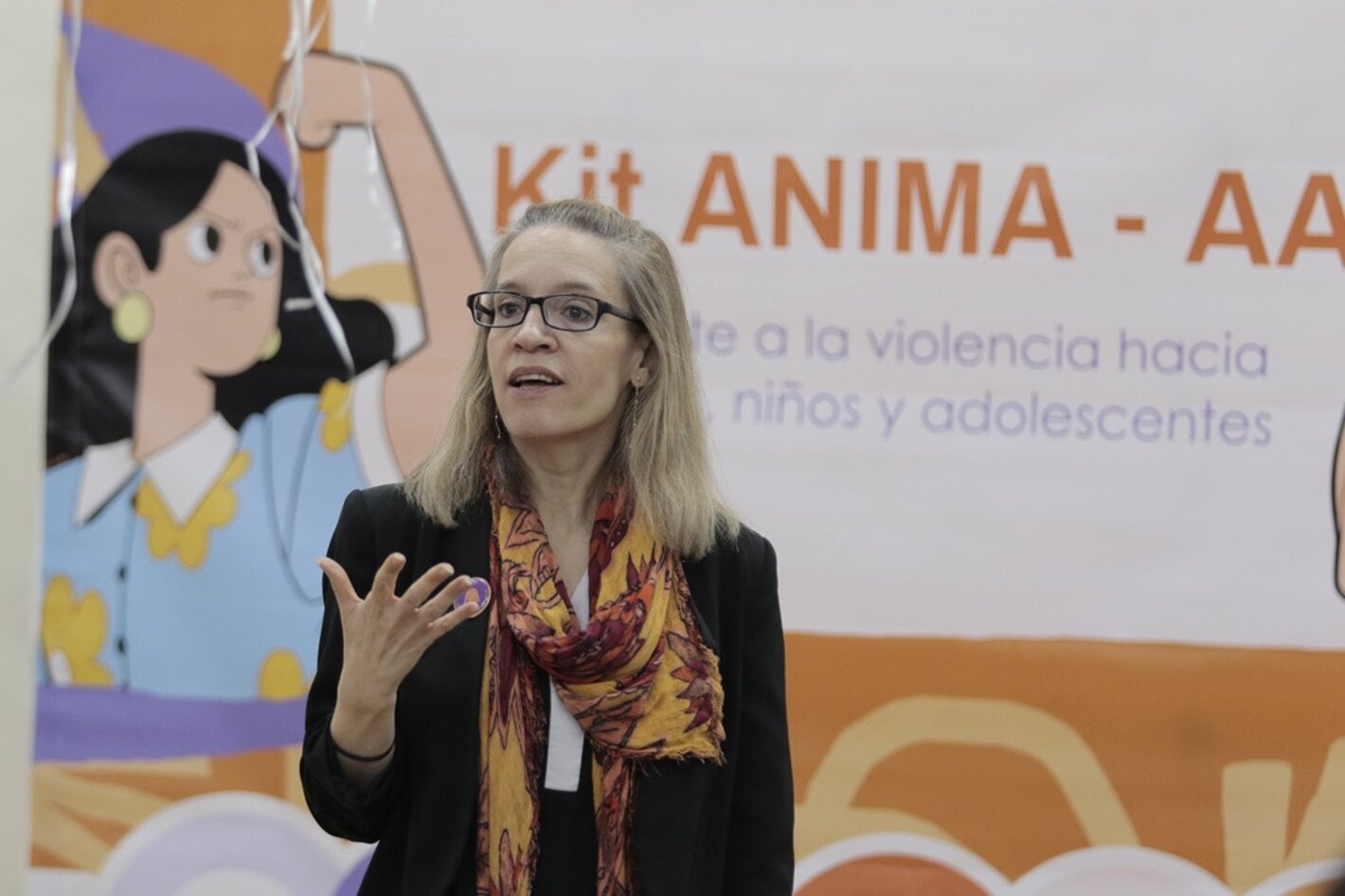
With this aim, from 5 to 8 October, Bolivia is receiving Britta Baer, Advisor on Violence and Injury Prevention at the Pan American Health Organization/World Health Organization (PAHO/WHO), to strengthen the health system’s response to violence against women, adolescent girls and girls through the implementation of the ANIMA and ANIMA -AA toolkits, designed to guide first-line support for survivors of violence including support to children and adolescents experiencing violence.
“This initiative is grounded in the recognition that violence against women and girls is not only a social or security issue, but also a public health concern and a violation of human rights, with consequences for the physical and mental health, sexual and reproductive health, and overall well-being of those affected,” said Elena Vuolo, PAHO/WHO Representative in Bolivia.
In Bolivia, various studies by United Nations system agencies have highlighted the persistence of violence against women and adolescents. These figures illustrate the scale of the problem, but the challenge addressed by this mission lies primarily at another level: what the health system can and should do when a person experiencing violence comes into contact with health services.
This international mission and the activities to be carried out are supported financially by the Government of Canada.
ANIMA: Turning the first contact into an opportunity for care and protection
The ANIMA toolkit brings together the essential components that should guide a first-line response. Its implementation aims to help health teams listen actively and without judgment, identify needs and concerns, validate survivors’ experiences, contribute to improving their safety, and facilitate access to information, support and other services.
The tool is particularly relevant because many situations of violence may first become apparent within the health system through injuries, sexual and reproductive health concerns, emotional distress, or consultations in which violence is not necessarily the stated reason for seeking care.
“For this reason, strengthening the capacity of health services also means helping personnel recognize signs and symptoms, know when and how to ask about a possible situation of violence, and provide survivor-centered care,” Baer said. These components are part of the training planned during the mission.
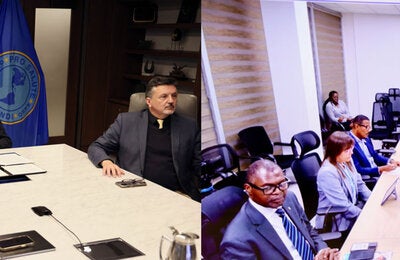
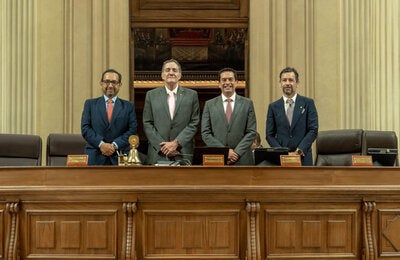
During the first sessions, health personnel and representatives of social and protection services, as well as organizations working on this issue, will deepen their understanding of the model’s practical application and the available care and referral mechanisms. The opening of the activities included the participation of Vice Minister of Health Promotion, Epidemiological Surveillance and Traditional Medicine Roxana Salamanca, along with other national authorities.
The capacity-building efforts will not be limited to identifying violence. Another central component is knowing what happens after violence is identified. The agenda includes work on referral pathways and coordination across health services, social protection, police and justice, which is essential to ensure that survivors are not left without support after disclosing a situation of violence.
Strengthening health personnel to prevent responses that revictimize survivors
One of the main contributions of ANIMA and ANIMA-AA is that it places survivors’ needs, decisions and safety at the center of care. From this perspective, the quality of the initial response is just as important as identifying violence. An inappropriate intervention, a question asked without the necessary privacy, or a response that casts doubt on a survivor’s account can create additional barriers to seeking help.
Baer’s mission is specifically aimed at developing competencies to provide safe, respectful, confidential, rights-based and person-centered care, while also strengthening procedures for referral to other services when needed. Building these capacities is part of PAHO/WHO’s work across countries in the Region to improve the health sector’s response to violence and adapt international tools to national contexts.
Young people: Preventing violence before health services are needed
The mission broadens the approach from response to prevention. On 7 October, in the municipality of Viacha, approximately 35 kilometers from La Paz, adolescents and young people will participate in a dialogue of knowledge aimed at reflecting on social norms, beliefs and practices that may contribute to or normalize different forms of violence.
The activity will use participatory methodologies and communication materials co-created by young people to foster dialogue based on their own experiences and promote respectful relationships, access to rights-based information, and greater awareness of available guidance and protection mechanisms.
Youth participation is not an ancillary component of the intervention. The mission’s approach connects strengthening the health system response with the need to address the social and cultural factors that enable violence to persist.
A response that cannot depend on the health sector alone
Support for a survivor does not end in the consultation room. Health, social protection, justice, education and other sectors need to work in a coordinated manner for care pathways to function effectively. For this reason, the final day of the mission will focus on dialogue with strategic stakeholders, including national institutions, United Nations system agencies, international cooperation partners, civil society organizations and academia.
The aim is to identify opportunities for collaboration and strengthen synergies among institutions working in health, education, protection, human rights, youth and other areas related to violence prevention and response.
The mission therefore has an objective that extends beyond the four days of activities: to build sustainable capacities so that the health system can recognize situations of violence, respond appropriately from the first contact, and connect survivors with an effective network of care and protection.