Washington, D.C., December 11, 2025 (PAHO) – On Universal Health Day, the Pan American Health Organization (PAHO) highlighted the growing impact of out-of-pocket health care spending across the region and called on countries of the Americas to strengthen public investment and financial protection mechanisms—key measures for achieving universal health.
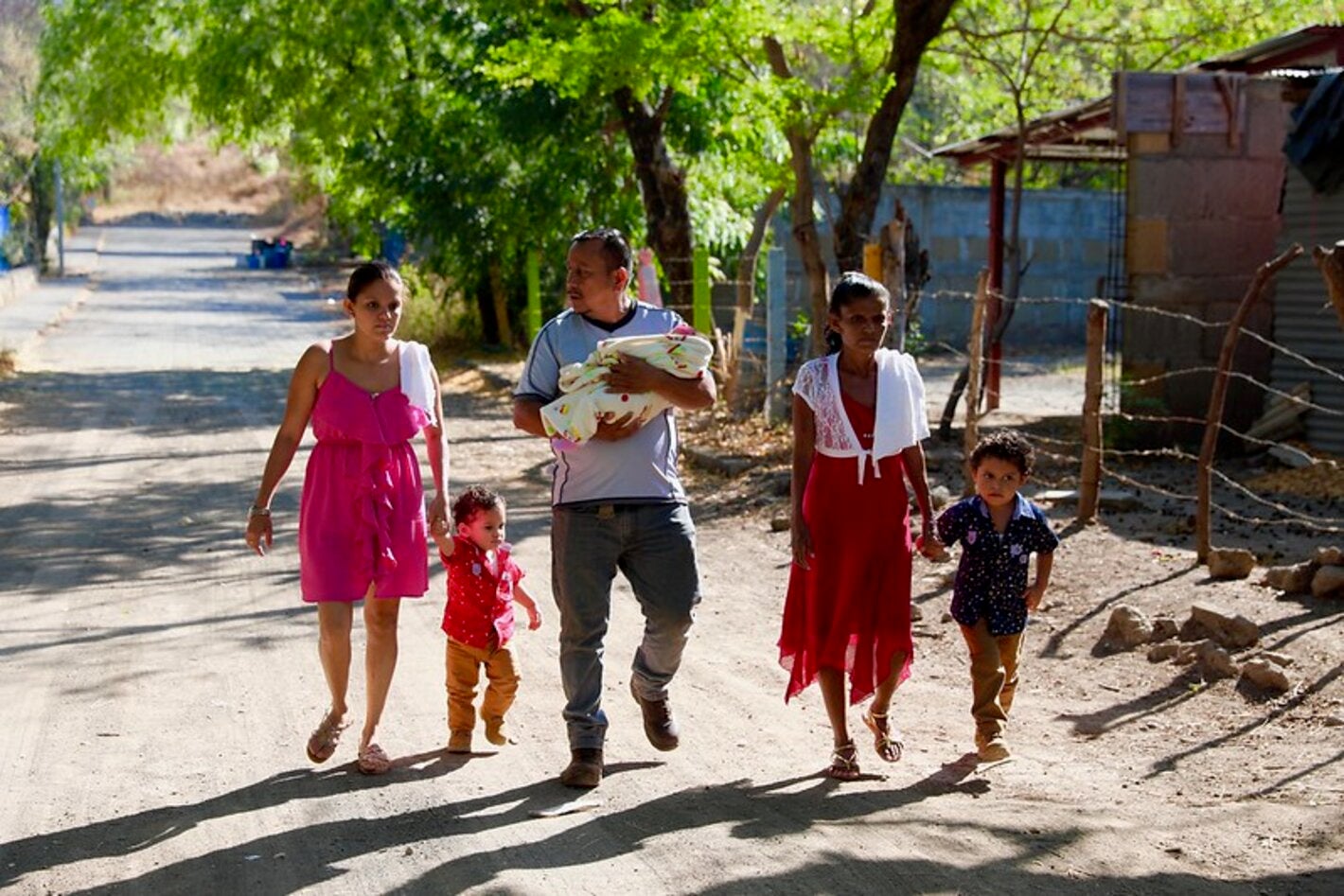
In the region, nearly one third of total health expenditure comes directly from families’ pockets, a proportion well above the recommended 20% threshold, increasing the risk of impoverishment and financial hardship due to direct health expenses.
“Out-of-pocket spending continues to push millions of people into poverty,” warned PAHO Director, Dr. Jarbas Barbosa. “No one should have to choose between their health and their basic needs.”
According to the Tracking universal health coverage: 2025 global monitoring report, recently published by the World Health Organization (WHO) and the World Bank, the Region of the Americas registered one of the smallest reductions in health inequalities over the past decade. Although the percentage of people facing financial hardship due to health care expenses fell globally — from 34% to 26% between 2000 and 2022 — the poorest households continue to bear the greatest burden.
Globally, the report estimates that 2.1 billion people face financial difficulties in accessing health care, including 1.6 billion experiencing poverty due to direct health spending, underscoring the urgent need to strengthen financial protection mechanisms in all regions.
In 2023, total health expenditure in Latin America and the Caribbean averaged 6.6% of gross domestic product (GDP), equivalent to about US$778 per person. More than half of these resources came from the public sector. However, direct household spending remains high—particularly on medicines and treatments—heightening the risk of health care becoming unaffordable for millions.
Challenges in public investment
Although health systems in the region rely heavily on public financing, public investment remains below the regional commitment of 6% of GDP. In 2023, public health expenditure fell to 3.7% of GDP, returning to pre-pandemic levels.
In the context of low economic growth and increasing fiscal pressures, many countries face challenges in sustaining or expanding health financing. This raises the risk that households will shoulder a greater share of health care costs and disproportionately affects lower-income families.
“To change this reality, we need more resilient health systems, grounded in strong primary health care, capable of integrating services and organizing around people, families and communities,” said Dr. Barbosa.
In the Americas, fiscal priority—understood as the share of public spending allocated to health—depends not only on a country’s income level but also on policy choices. While some higher-income countries allocate relatively low proportions of public spending to health, others with fewer resources dedicate a higher share to ensure access and service continuity.
PAHO urges governments of the region to increase investment in health and strengthen primary health care, essential to reducing inequities and achieving universal health through fair and inclusive health services.
Universal Health Day (globally known as Universal Health Coverage Day), observed each year on December 12, underscores that access to health services should not result in financial hardship or force people to choose between their well-being and essential needs such as food or housing. This year’s campaign highlights the urgency of reforming health financing systems to reduce the direct burden faced by millions of families in the region.