
Regional Stories
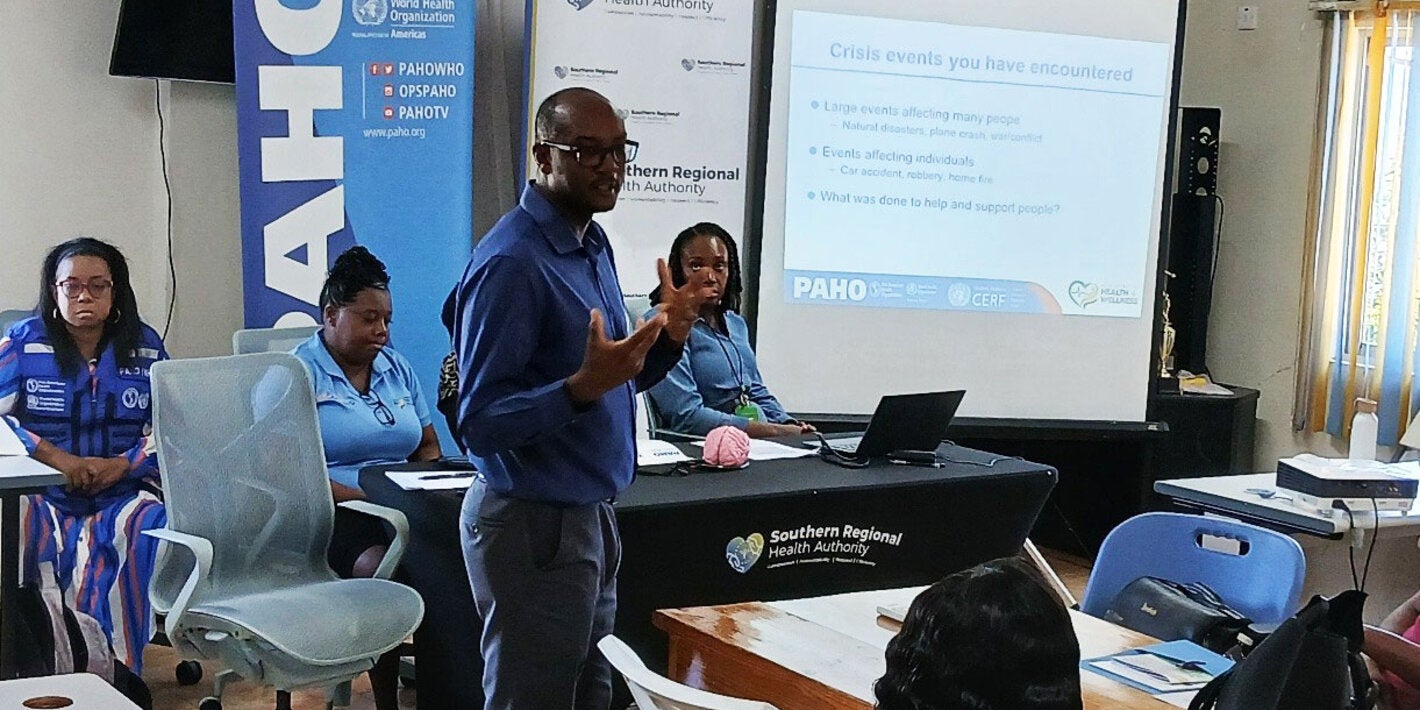
Following Hurricane Melissa, thousands of Jamaicans received mental health and psychosocial support through efforts led by the Ministry of Health and Wellness, PAHO/WHO, and partners. Nearly a year on, their experiences offer lessons on how mental health support can strengthen recovery after disasters.— October 2026 —In the days after…
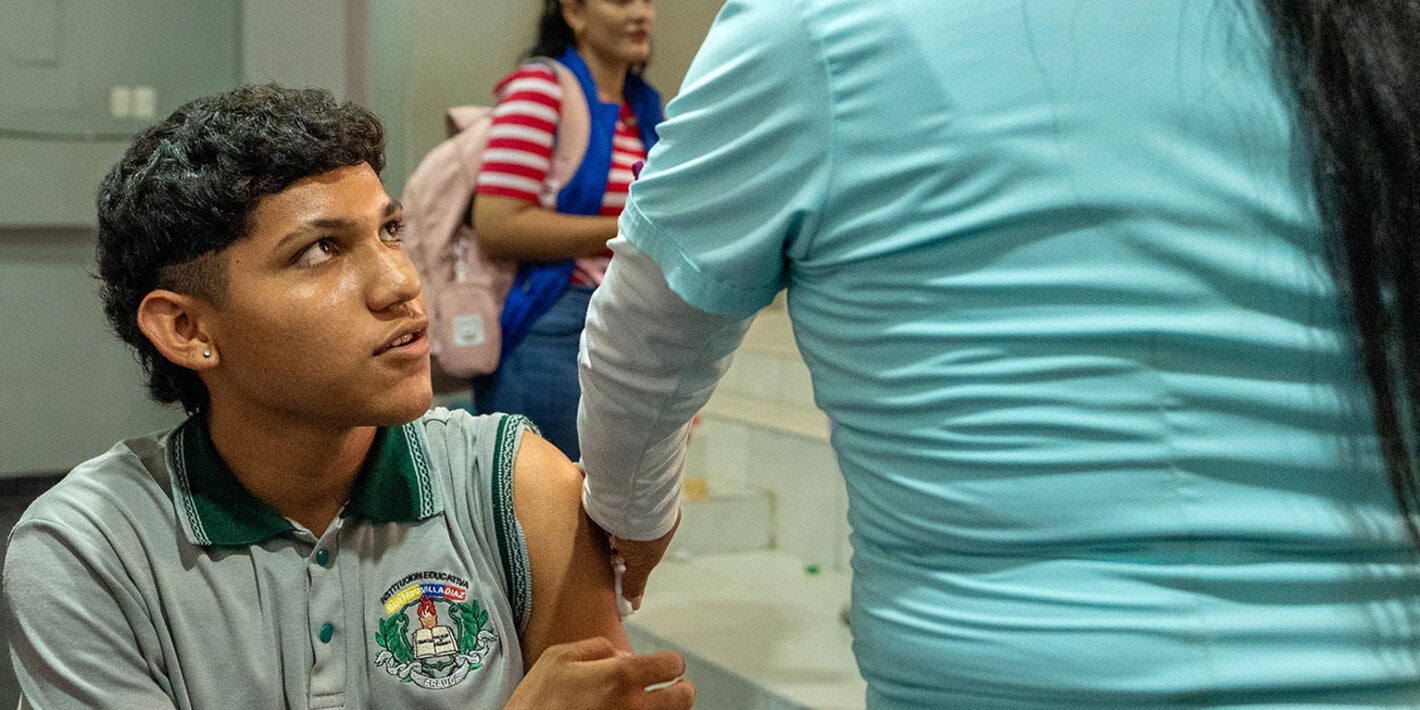
Experiences in Putumayo and Arauca show how communication strategies promote free and informed decisions about vaccination— September 2026 —More than a thousand kilometers apart, in different cultural contexts, two communities in Colombia share a common challenge: how to make informed decisions in the face of doubts, misinformation, and…
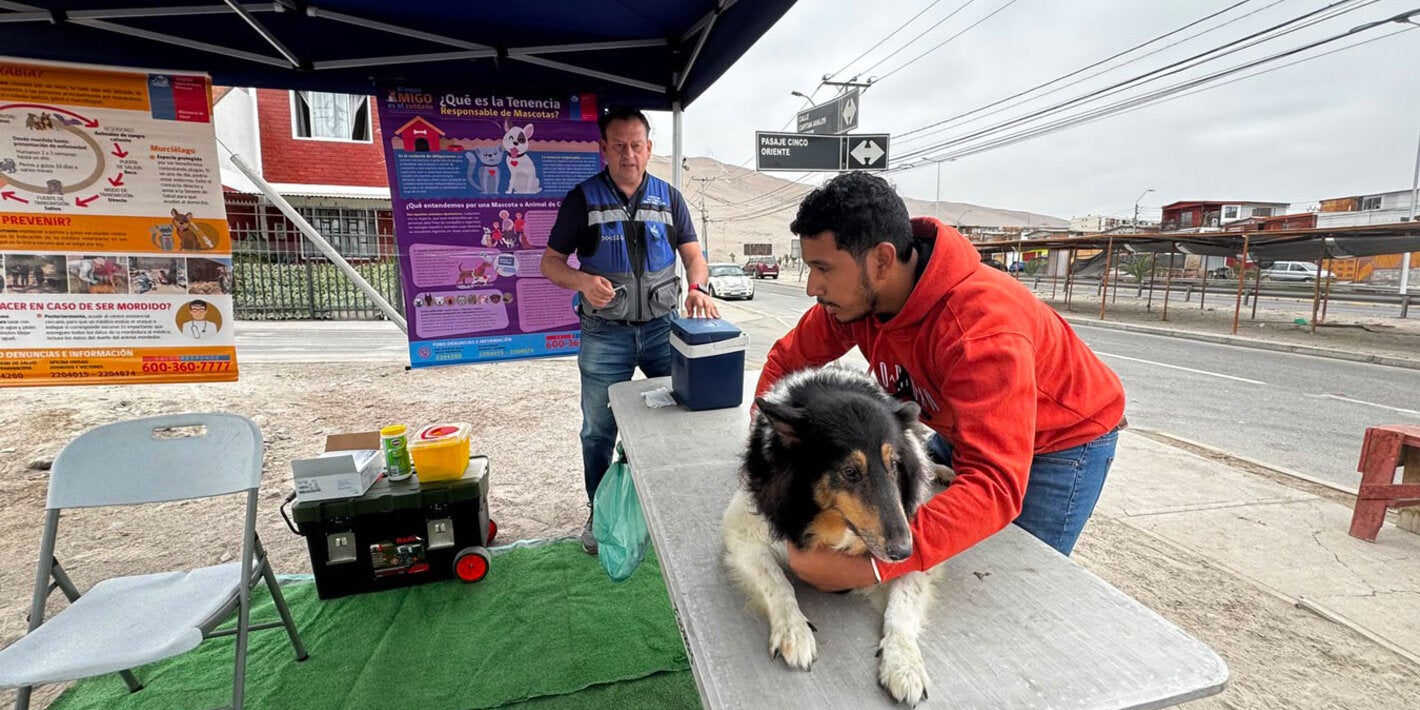
For decades, the country sustained vaccination campaigns, epidemiological surveillance, and the capacity to respond to a disease that had largely disappeared from everyday life. The result was the interruption of dog-mediated human rabies—a milestone achieved long before it could be formally recognized.— September 2026 —

As a physician in Barbados, Dr. Shreyas Shenoy has seen firsthand how some health challenges extend far beyond the walls of a clinic. While medical training prepares clinicians to care for individual patients, it does not always equip them to address the broader systems, policies and social barriers that shape health outcomes.— September 2026…
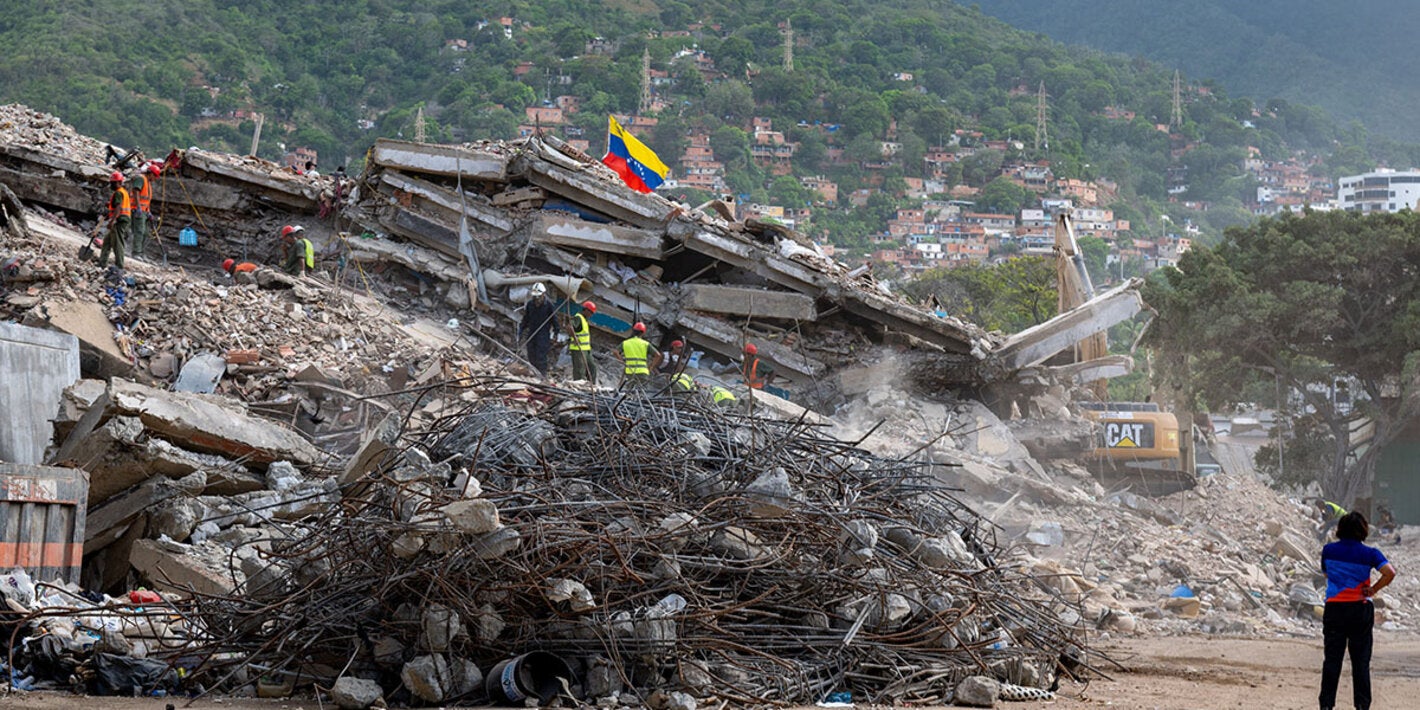
Two months after the earthquakes that struck north-central Venezuela on June 24, thousands of people continue to face emergency conditions. These images show how, under the leadership of national authorities and with support from the Pan American Health Organization/World Health Organization (PAHO/WHO) and other partners, the health response has…
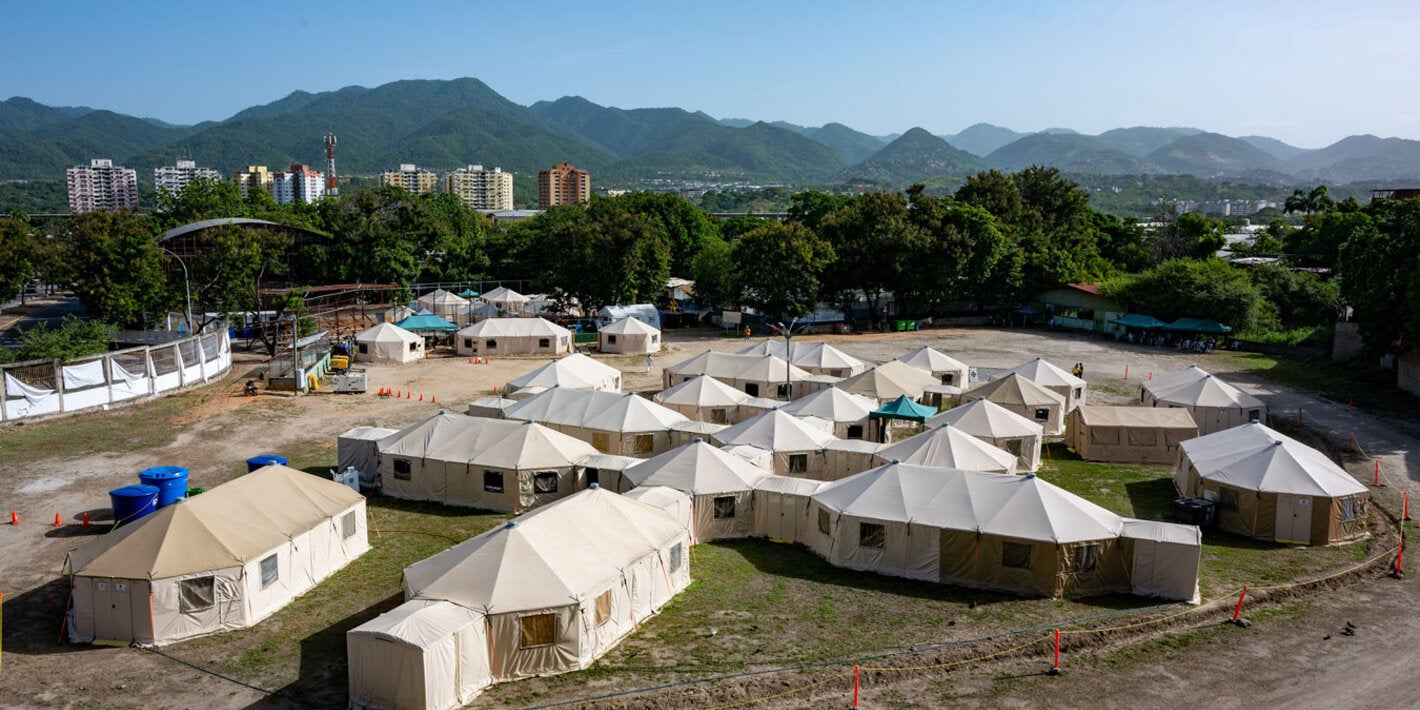
After Venezuela's June earthquake, international emergency medical teams helped ensure that essential health services continued even as hospitals and clinics came under immense pressure.— August 2026 —
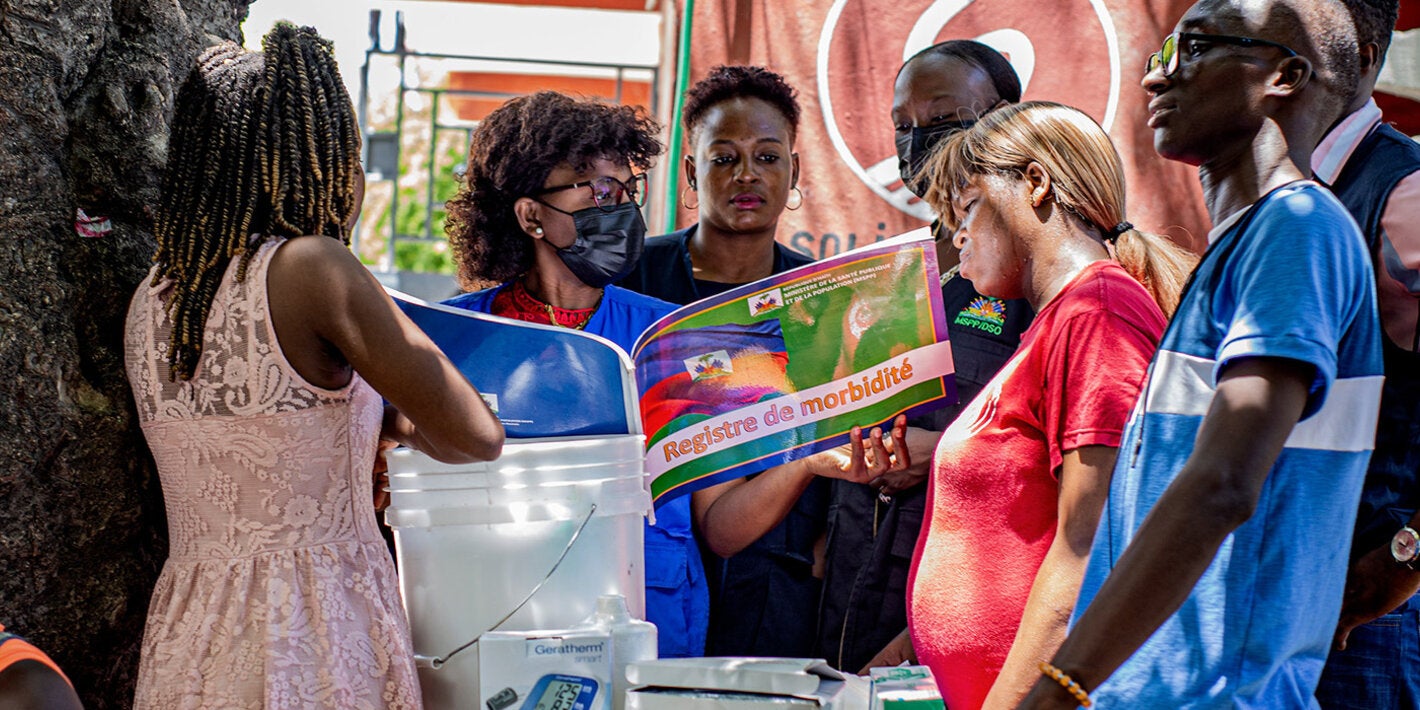
As the world marks World Humanitarian Day on 19 August, the story of one displaced mother illustrates how access to health and mental health services can help people affected by violence recover and begin rebuilding their lives.— August 2026 —“Mwen te panse pèsonn pat wè mizè m, men m wè moun vle kenbe men mwen pou ede mwen,” Ms. Yolène…
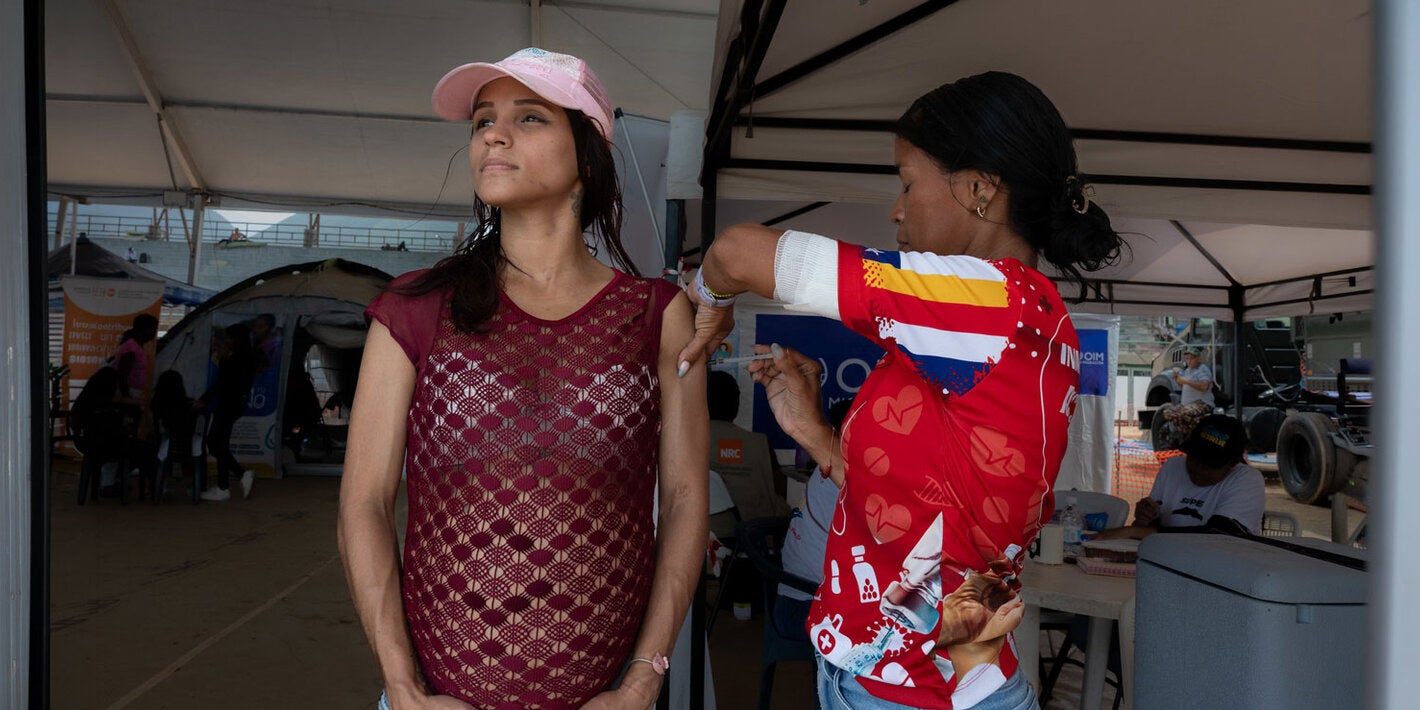
Following the June 24 earthquakes, vaccination teams in La Guaira continued visiting communities and temporary shelters to protect affected families and reduce the risk of outbreaks of vaccine-preventable diseases.— August 2026 —
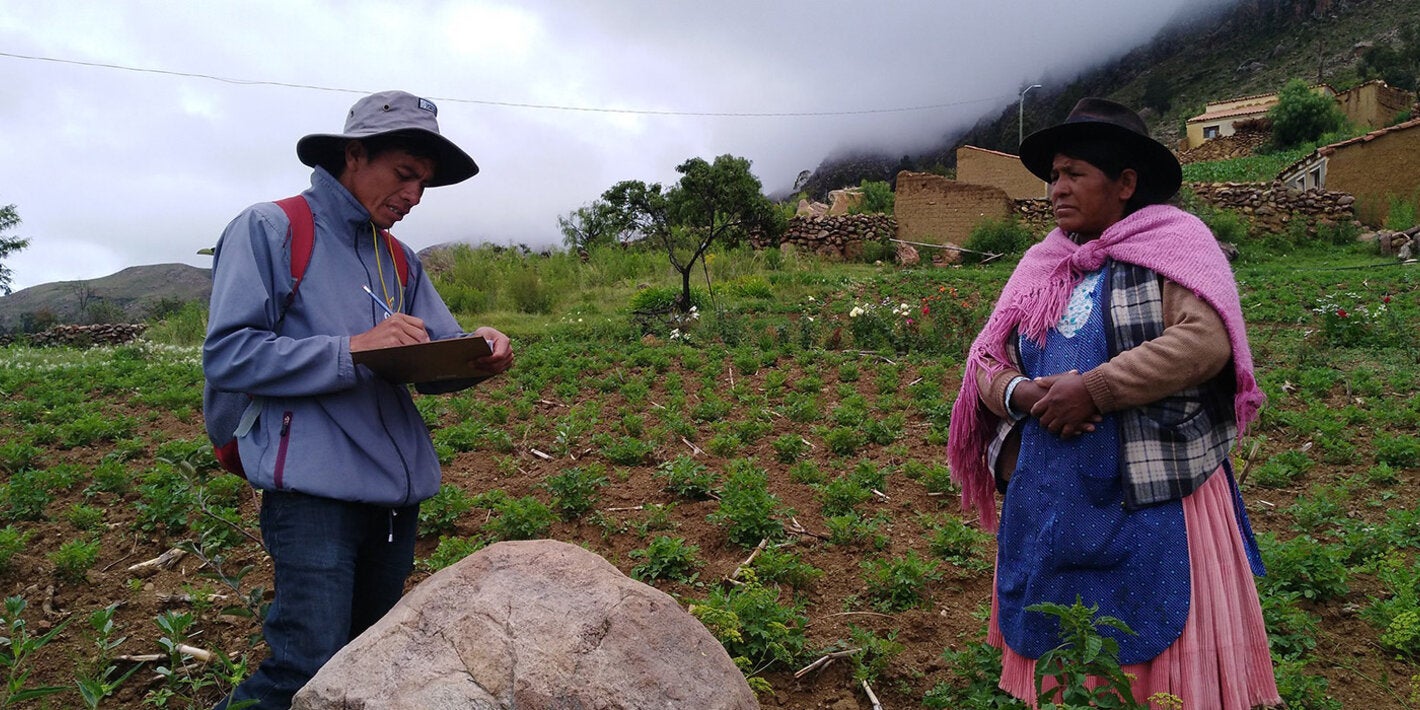
A national survey in Ecuador shows how PAHO supports countries across the Americas in generating the data needed to better understand noncommunicable diseases and inform public health policies.— August 2026 —Noncommunicable diseases (NCDs), such as diabetes, cancer, and cardiovascular diseases, are the leading cause of death and…