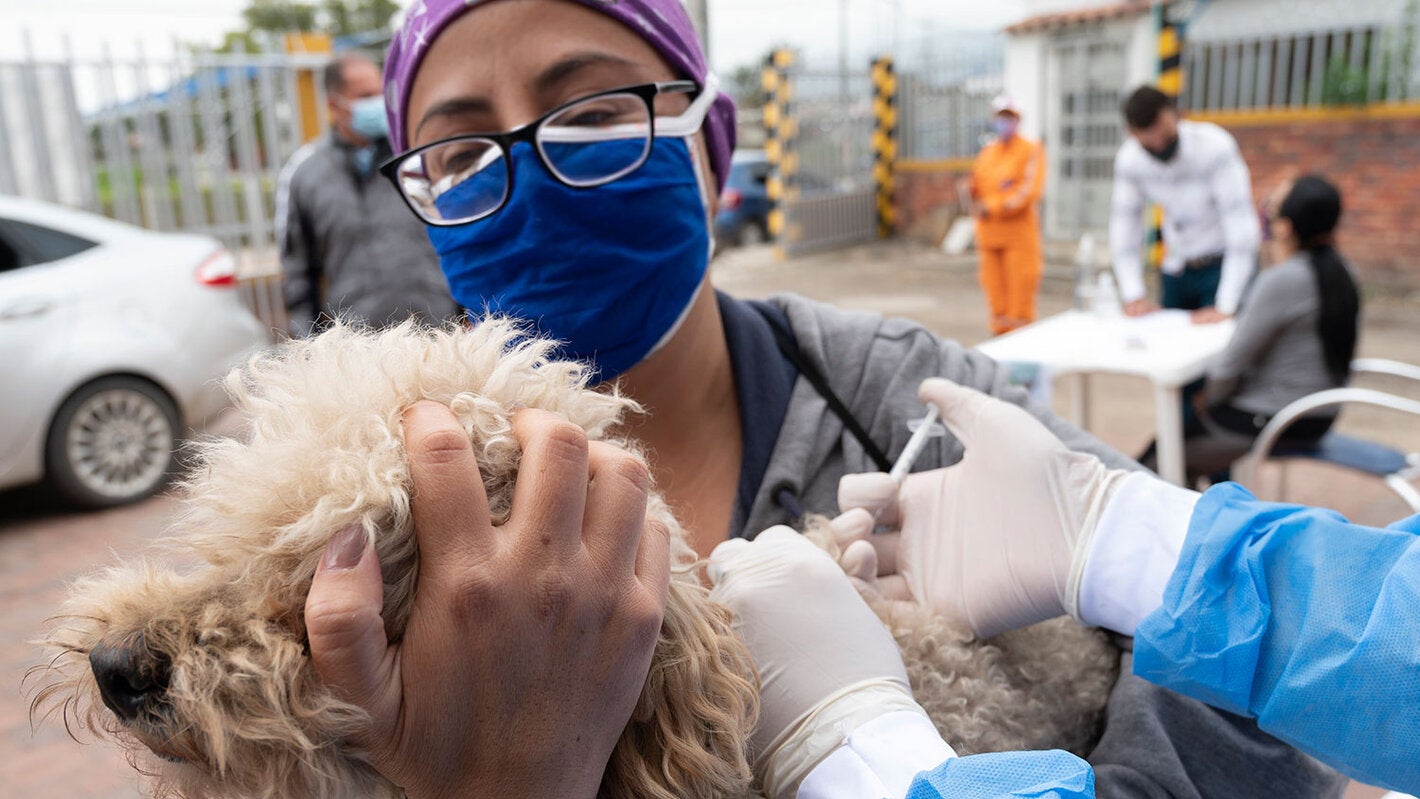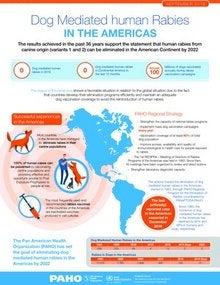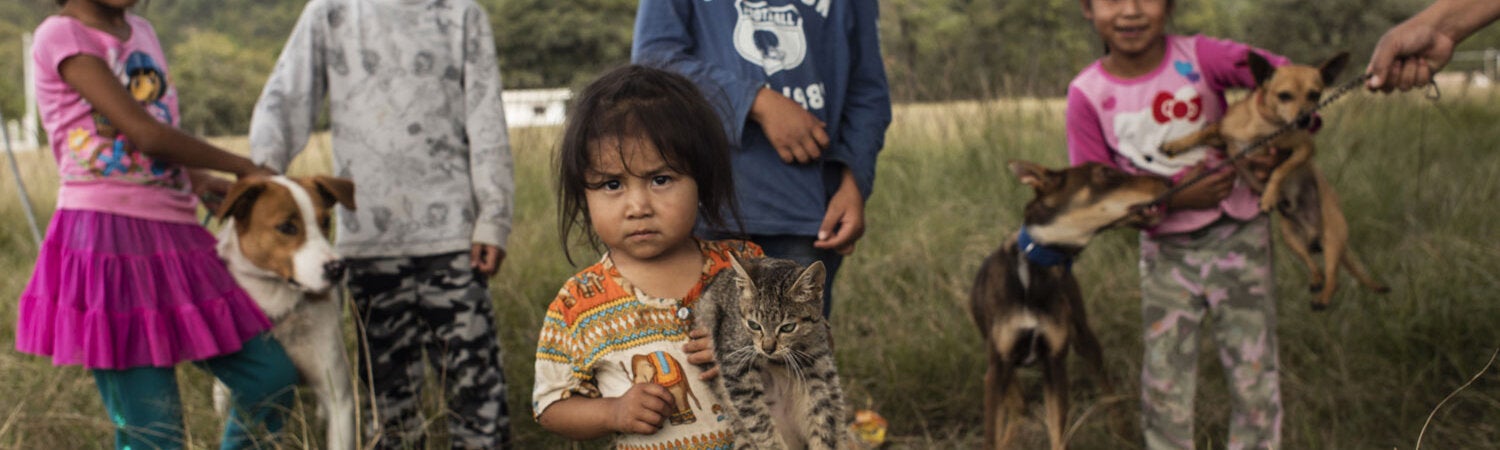
Zoonoses are infectious diseases that can be naturally transmitted from vertebrate animals to humans. The close interaction between people and animals, as well as increased trade and the movement of people, animals, their products, and by-products, has led to a greater spread of zoonoses. In addition, the spread of these diseases can also be driven by modern farming practices, particularly in developing regions that are vulnerable to habitat destruction, human encroachment, and climate change. The impact of zoonoses is not just on public health but also causes severe economic losses in the region.
Considering that, in the vast majority of cases, intervention or control at the animal source could prevent later public health problems, it is necessary to consider and develop integrated interventions that take into account the causes that interact and are responsible for intersectoral health issues. So, looking for solutions to these problems, given their complexity, involves an approach through intersectoral cooperation within the 'One Health' framework, which requires the input, intervention, and collaboration of professional teams from the human, animal, and environmental health sectors.
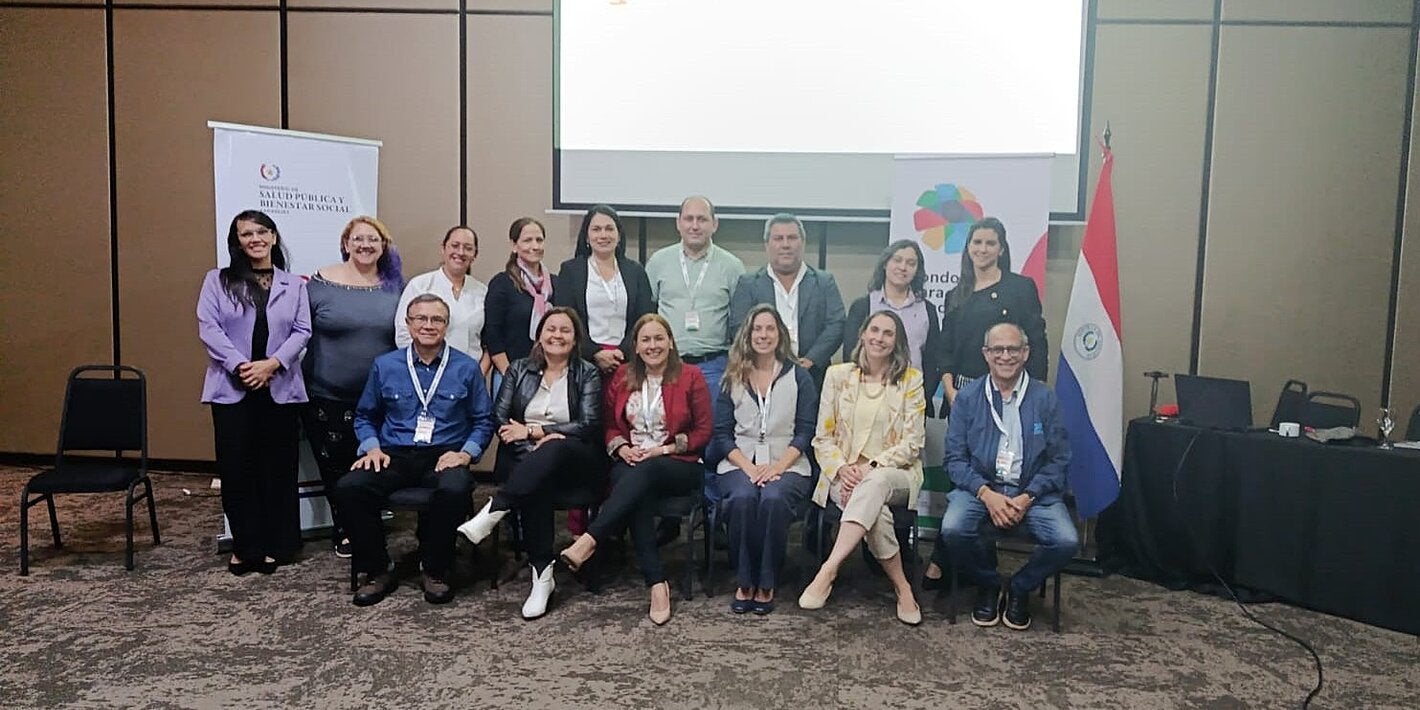
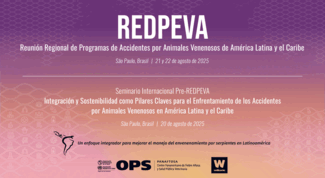
The first Regional Meeting of National Programs for Venomous Animals Accidents in Latin America and the Caribbean (REDPEVA) took place on August 21–22, 2025 at the Instituto Butantan, São Paulo, Brazil. The first edition of REDPEVA is part of the ongoing coordination and joint efforts being developed across the Region of the Americas, aiming to support Member States in addressing accidents caused by venomous animals. This meeting seeks to strengthen national programs in order to reduce mortality and permanent consequences—both physical and psychological—as well as the social and economic burden caused by this major public health issue in the region.
The Pan American Center for Foot-and-Mouth Disease and Veterinary Public Health (PANAFTOSA/SPV) provides technical-scientific cooperation to the countries of the Americas, supporting them in developing and strengthening programs for the control and eradication of the main zoonoses that affect human health. By generating and exchanging information through a joint approach between public health, animal health, and environmental sectors, as well as intersectoral collaboration at local and regional levels, the goal is to reduce the health, social, and economic impacts associated with the occurrence of zoonotic diseases.