Climate change refers to long-term shifts in temperatures and weather patterns, largely driven by human activities that increase greenhouse gas emissions. It has become a global climate crisis with profound implications for human health.
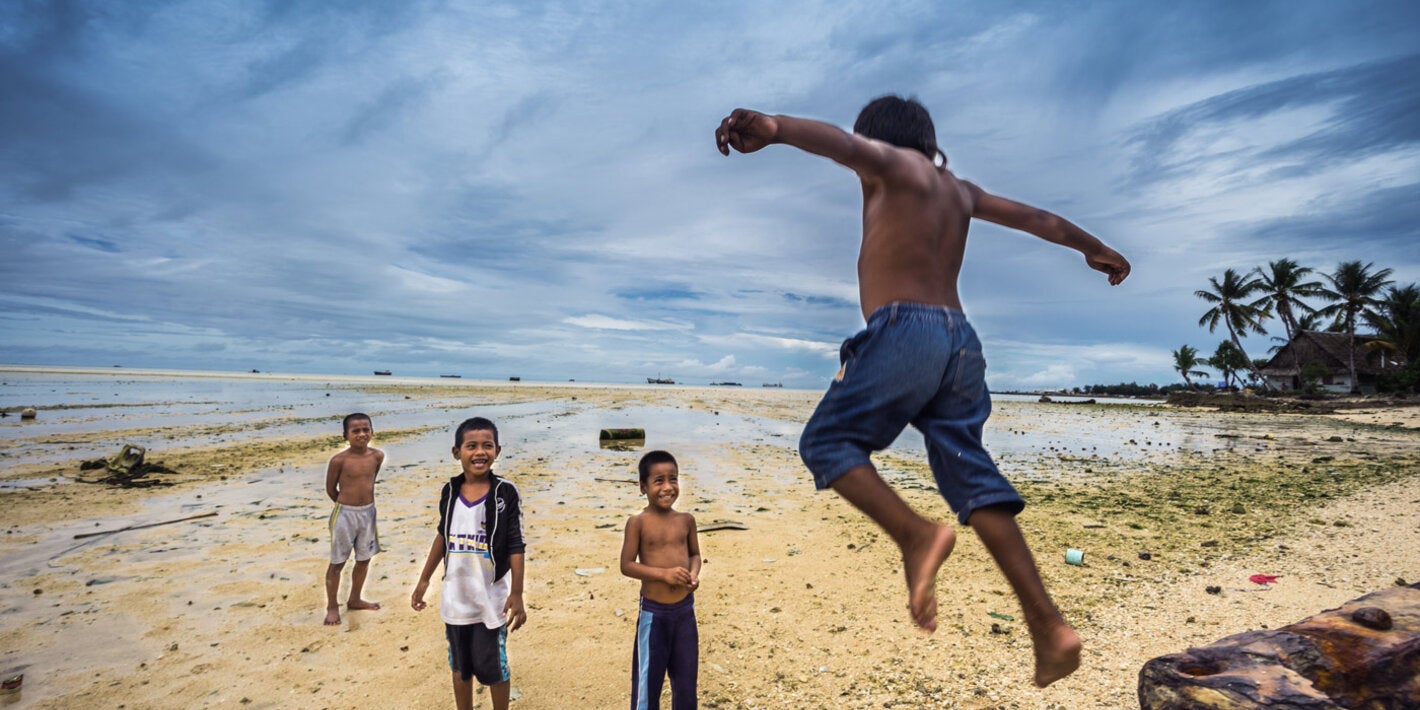
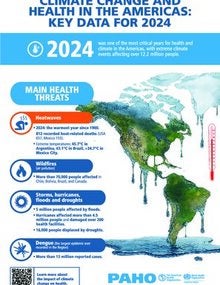
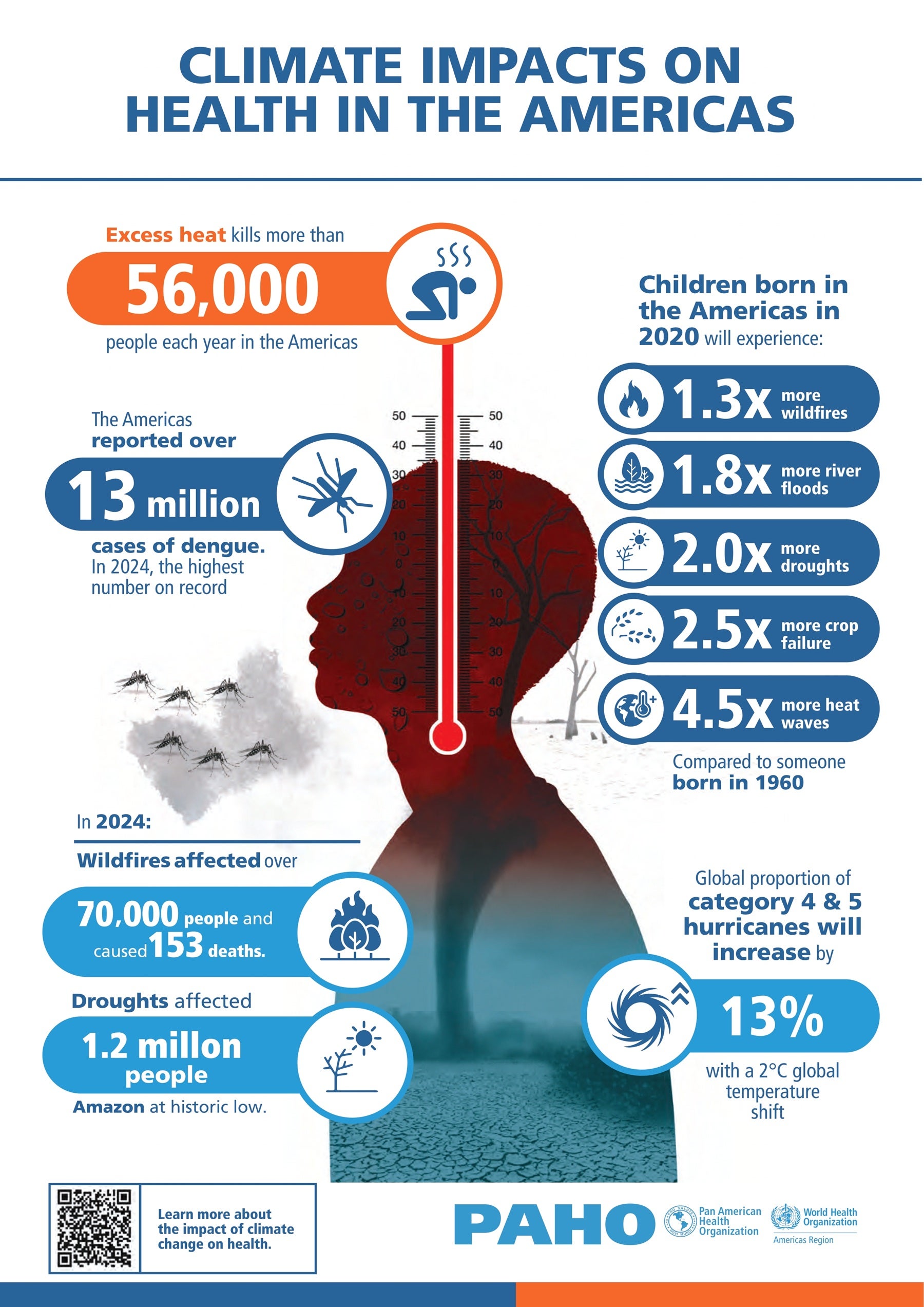
Extreme heat, droughts, wildfires, floods, heavy storms, and sea-level rise directly threaten lives and strain health systems. Indirect impacts—such as the spread of vector‑borne and respiratory diseases, food and water insecurity, undernutrition, air pollution, forced displacement, and economic losses—are becoming more frequent and severe. These interconnected threats risk reversing decades of public health progress and demand coordinated, multisectoral action.
The Americas—one of the most unequal regions in the world—face an unprecedented convergence of climate and public health threats. Climate extremes are accelerating disease spread, increasing heat‑related illnesses, and disrupting essential health services, with serious implications for regional security and prosperity. These impacts fall disproportionately on populations and territories in situations of vulnerability, who are least responsible for emissions and least equipped to adapt.
Addressing these inequities requires an intersectoral approach that places communities at the center of decision‑making. It also requires stronger, integrated data systems to guide interventions and regional cooperation, since no country can face the health impacts of the climate crisis alone.
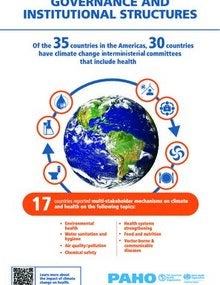
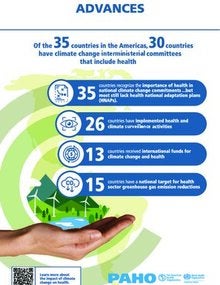
The Pan American Health Organization (PAHO) works with countries across the Region to strengthen health system resilience, improve early‑warning and response mechanisms, and promote mitigation actions that both reduce emissions and deliver health co‑benefits. PAHO supports comprehensive approaches that integrate health into climate policy. Through collaboration, data-driven solutions, social participation, and a focus on equity, the Region will build a more resilient and healthier future for all.
To learn more about the key ways in which climate change affects health, the challenges in assessing these impacts, and the urgent need for coordinated adaptation strategies, visit Climate change and human health: questions and answers.
PAHO's Climate Change and Health Program aims to prepare health systems through early warning, better planning and the implementation of prevention and adaptation measures, but also by reducing the emissions of gases that cause climate change - within the health sector and with other sectors.
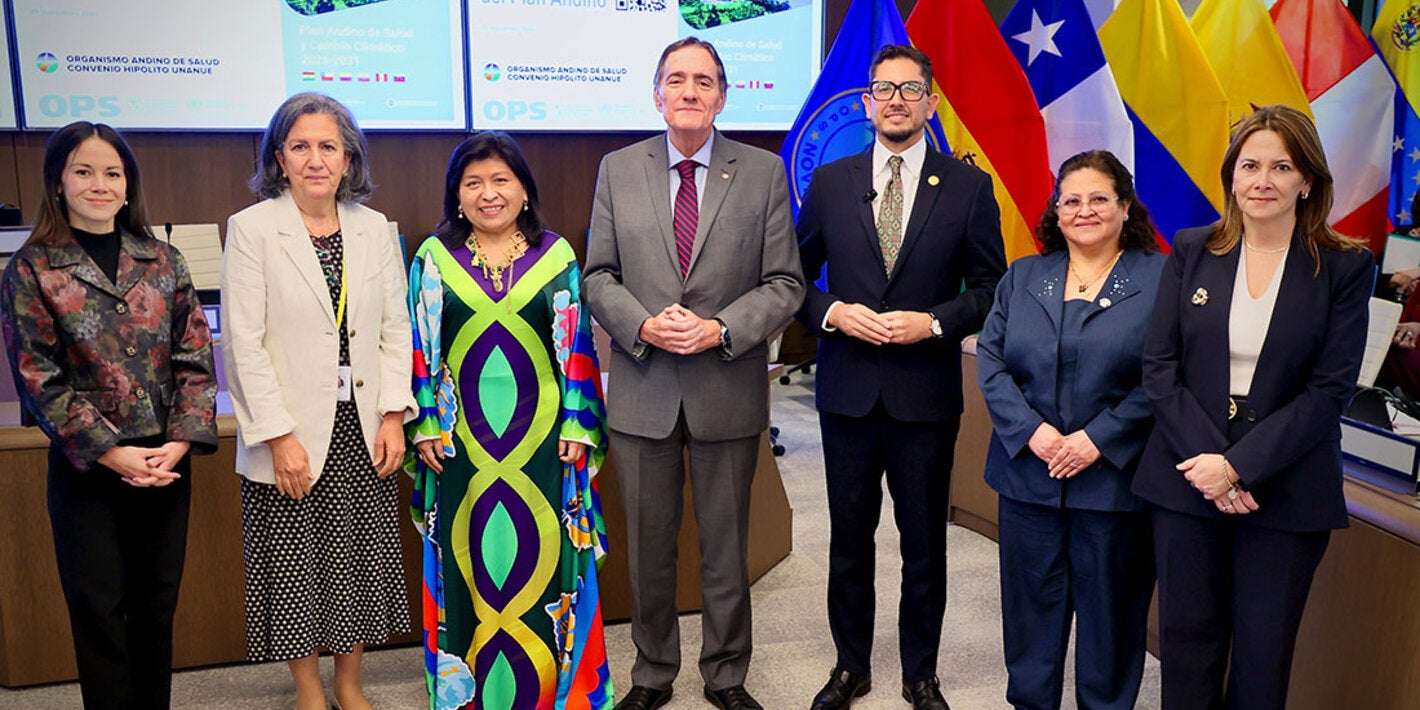
PAHO recognizes that climate change poses significant risks to health and well-being and requires concerted efforts by health authorities and other stakeholders to create climate-resilient health systems that can anticipate, prepare, prevent, respond and quickly recover from climate risks. Technical cooperation is provided through collaborations with ministries of health and other government agencies, through the evidence building network of PAHO/WHO Collaborating Centers on Climate Change and Health, and collaborations with the civil society, and regional and international agencies.
Main activities by PAHO Climate Change and Health team:
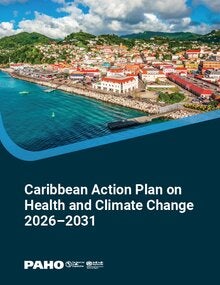
- Support countries in the preparation of evidence-based policies and plans: health and climate change vulnerability and adaptation assessments (V&A), Health National Adaptation Plans (H-NAPs), PAHO/WHO-UNFCCC country profiles, subregional (Caribbean, Central America, South America) action plans on health and climate change;
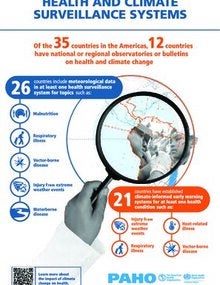
- Strengthen national and regional surveillance: development and implementation of early warning systems for climate sensitive diseases and conditions;
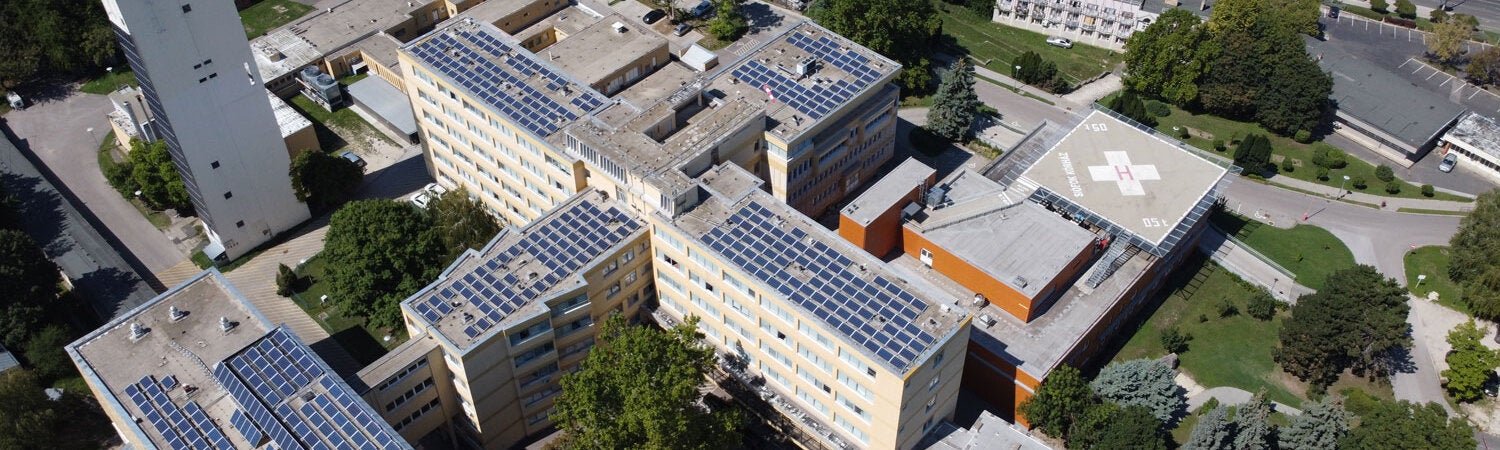
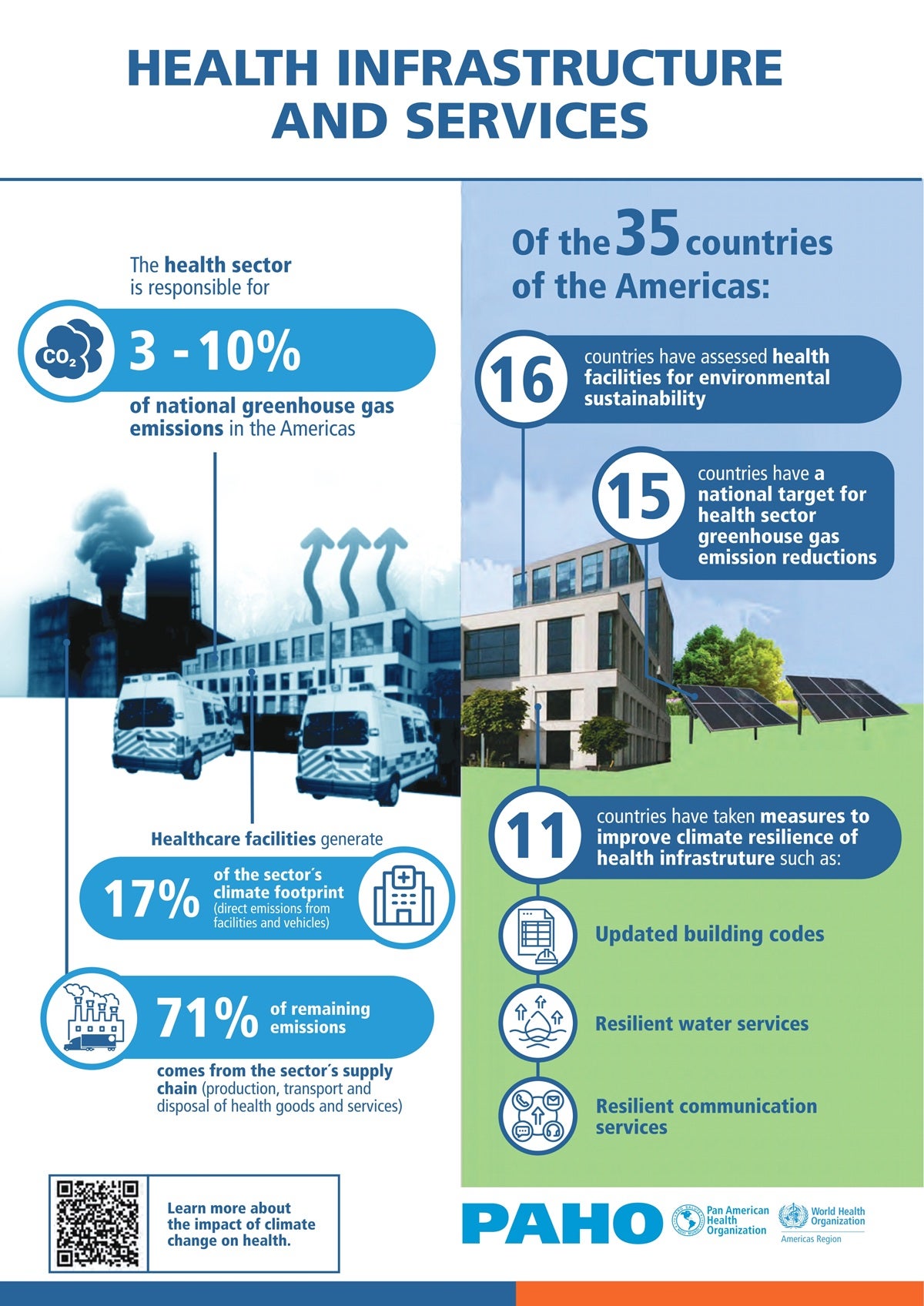
- Improve health infrastructure: assess and transform health infrastructure to make them safer and operational during and after climate-related events, and using greener technologies;
- Provide training and awareness-raising: capacity building through workshops and courses on climate change and health, on site and at PAHO’s virtual campus;
- Build partnerships for health co-benefits: promote and measure health co-benefits of intersectoral mitigation actions;
- Empower health representatives: engage health in climate change negotiations and convene technical and high-level meetings on health and climate change;
- Mobilize resources on climate change and health: establishment of a network of donors and preparation of regional and national health mitigation and adaptation proposals for funding.